
Understanding Albania's Traditions and Customs
Albania, a land of rugged mountains, pristine coastlines, and resilient people, offers travelers a truly unique cultural experience. Delving into its rich tapestry of traditions and customs is key to appreciating the warmth and hospitality of this Balkan gem, allowing for a deeper, more meaningful journey.
Often overlooked, Albania boasts a profound cultural heritage shaped by centuries of diverse influences, isolation, and a powerful sense of national identity. From ancient codes of honor to vibrant modern-day practices, understanding these elements will not only enrich your visit but also foster genuine connections with locals. Prepare to be welcomed with open arms and discover a country where tradition truly intertwines with everyday life.
The Pillars of Albanian Culture: Besa and Mikpritja
Besa: The Unbreakable Word
At the heart of Albanian social fabric liesBesa, a concept that transcends mere promise; it is an oath of honor, a code of trust and unwavering loyalty. Historically, Besa dictated everything from personal conduct to inter-tribal relations, ensuring safety and respect. While its most extreme applications have faded, the spirit of Besa remains palpable in modern Albanian society. It manifests as a deep commitment to one's word, a profound sense of responsibility, and an expectation of mutual respect.
Did you know?During World War II, Albania was the only European country where the Jewish population increased. This was largely attributed to the Besa code, which compelled Albanians to protect Jewish refugees, often at great personal risk, treating them as honored guests.
Mikpritja: Unrivaled Hospitality
Directly linked to Besa isMikpritja, the renowned Albanian hospitality. For Albanians, a guest is considered a gift from God, and treating them with utmost generosity is not merely a courtesy but a sacred duty. As a traveler, you will frequently encounter this warmth: invitations for coffee, offers of food, or unsolicited help when navigating an unfamiliar place. It's common for locals to go out of their way to ensure your comfort and well-being, often refusing any form of payment in return.
- Accepting Invitations:If invited into someone's home, it's polite to accept, even if just for a short coffee. Refusing too quickly can be seen as impolite.
- Small Gestures:A small gift, like sweets or a souvenir from your home country, is a thoughtful gesture if visiting someone's home, though never expected.
- Coffee Culture:Coffee is central to social life. Expect to be offered strong, often Turkish-style coffee, as a symbol of welcome and friendship.
Family, Community, and Respect
The Primacy of Family
Family is the cornerstone of Albanian society. Intergenerational ties are incredibly strong, with profound respect shown to elders. Grandparents often live with their children and grandchildren, playing an active role in family life. Decisions are often made collectively, and family honor is paramount. When interacting with Albanians, understanding this deep family reverence helps in appreciating their social dynamics.
Religious Harmony
Albania is remarkable for its peaceful coexistence of different faiths. Primarily Muslim, with significant Orthodox Christian and Catholic minorities, religious tolerance is not just a concept but a lived reality. Mosques, churches, and monasteries often stand in close proximity, and interfaith marriages are common. During religious holidays, it's customary for people of all faiths to wish each other well, reflecting a unique national unity that transcends religious divides.
Social Etiquette and Daily Life
Greetings and Interactions
Greetings are important. A handshake is standard, often accompanied by a direct gaze. When addressing elders or those in positions of respect, use formal titles. Learning a few basic Albanian phrases like "Përshëndetje" (Hello), "Faleminderit" (Thank you), and "Mirupafshim" (Goodbye) will be greatly appreciated and can open doors to warmer interactions.
Dining Customs
Albanian cuisine is hearty and delicious, often featuring fresh local produce, grilled meats, and Mediterranean flavors. Meals are social events. It's common for dishes to be shared, and hosts will insist you eat your fill – often more! Don't be surprised if your plate is refilled before you can finish. Toasts with Raki (a strong fruit brandy) are frequent at celebrations, often accompanied by a hearty "Gëzuar!" (Cheers!).
Dress Code
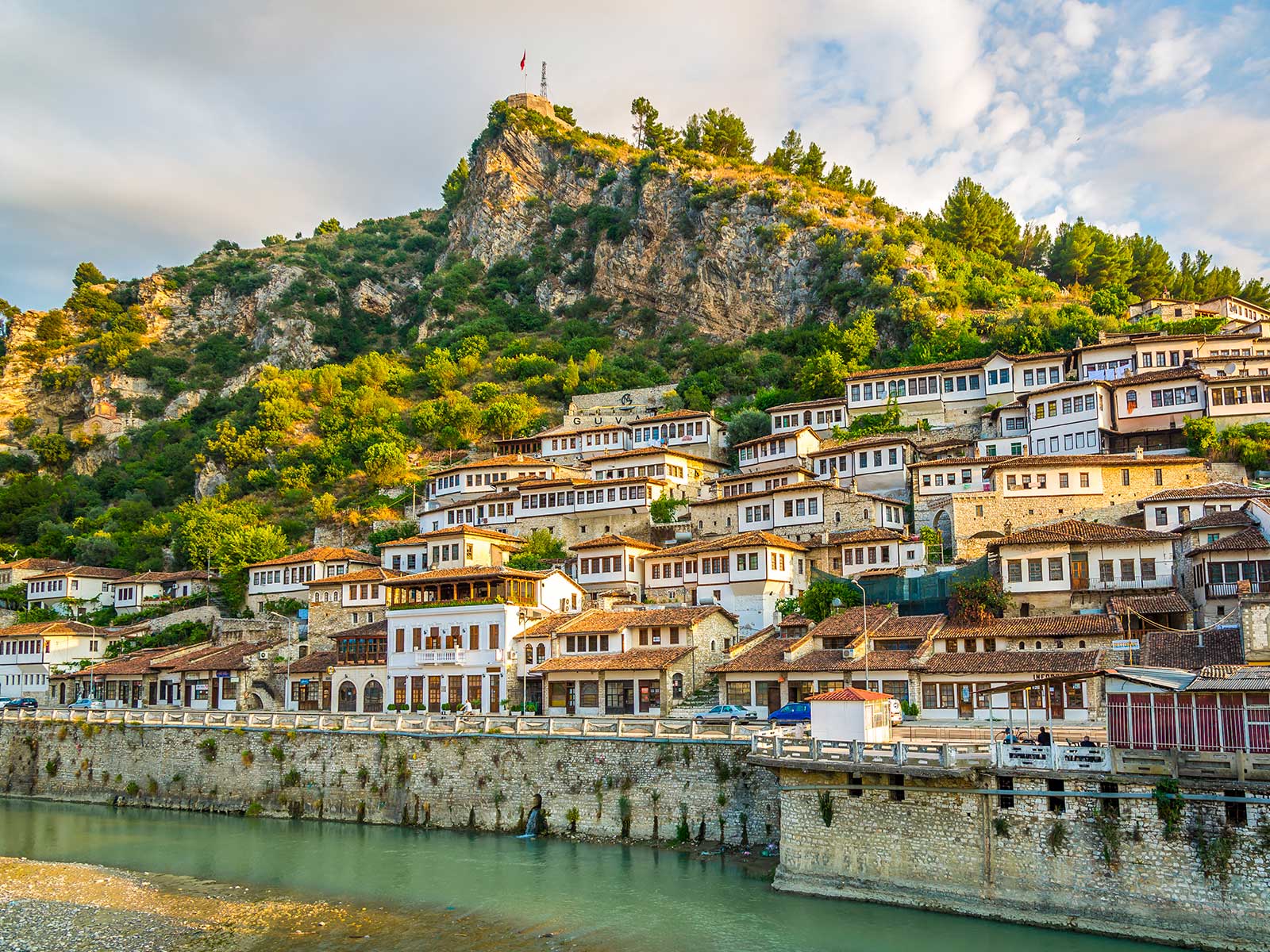
While Albania is generally modern, especially in Tirana and coastal areas like Ksamil, modesty is appreciated, particularly when visiting religious sites or more traditional villages. When exploring historical sites such as Kruje Castle, the Historic Center of Berat, or Gjirokaster Castle, comfortable but respectful attire is recommended. For women, covering shoulders and knees is a sign of respect in places of worship.
Historical Codes and Modern Interpretations
The Kanun of Lekë Dukagjini
The Kanun is a collection of traditional Albanian customary laws, most notably codified by Lekë Dukagjini in the 15th century. While largely obsolete in modern Albania, its historical influence, particularly in northern Albania, cannot be overstated. It covered aspects of life from property rights to hospitality and blood feuds. Today, its legacy is more a matter of academic interest and cultural identity rather than daily practice, though its core tenets of honor and respect continue to resonate. The infamous blood feuds, once a part of the Kanun, are now illegal and actively combated by the state and civil society organizations.
Festivals and Folklore
Albania's calendar is dotted with festivals that showcase its vibrant traditions. Beyond national holidays, local communities celebrate annual events with music, dance, and traditional costumes. The National Folklore Festival of Gjirokastër, held every five years at Gjirokaster Castle, is a spectacular display of Albania's diverse cultural heritage, featuring performers from across the country and the diaspora. Smaller, regional festivals often celebrate harvests, religious saints, or historical events, offering a glimpse into specific local customs.
Navigating Albania: Practical Tips for Travelers
- Be Patient and Polite:Things might move at a slower pace than you're used to. A polite and patient approach will always serve you well.
- Ask for Permission:Always ask before taking photos of people, especially in rural areas or if they are elderly.
- Learn a Few Phrases:Even a simple "Faleminderit" (Thank you) can go a long way.
- Embrace the Unexpected:Some of the best experiences in Albania come from spontaneous interactions and invitations. Be open to them!
- Respect Local Customs:Observing and respecting local traditions, even if unfamiliar, demonstrates appreciation for the culture.
Exploring Albania's traditions and customs is an incredibly rewarding part of any journey through this fascinating country. From the ancient code of Besa to the genuine warmth of Mikpritja, you'll find a culture rich in history, resilience, and an unwavering spirit of community. By approaching your travels with an open heart and a willingness to engage, you'll not only see Albania but truly experience its soul.