
The Ultimate Guide to Albanian Music and Dance
Albania, a land rich in history and breathtaking landscapes, offers a cultural tapestry woven with vibrant music and captivating dance. From ancient polyphonic melodies echoing in its mountains to energetic folk dances celebrating community, the country's sonic and kinetic expressions are a profound reflection of its soul.
Exploring Albanian music and dance provides a unique window into the nation's identity, resilience, and joy. It's an essential part of any traveler's journey, offering authentic experiences that resonate long after the final note fades.
The Soulful Sounds of Albanian Music
Albanian music is incredibly diverse, shaped by its long history, geographical regions, and interactions with neighboring cultures. Yet, a distinct Albanian character permeates every genre, from ancient laments to modern pop.
The UNESCO-Recognized Iso-Polyphony
Perhaps the most famous and unique aspect of Albanian music is its Iso-polyphony, a form of traditional multi-part vocal music. Recognized by UNESCO as a Masterpiece of the Oral and Intangible Heritage of Humanity, this complex vocal tradition is primarily found in Southern Albania, particularly among the Tosk and Lab communities.
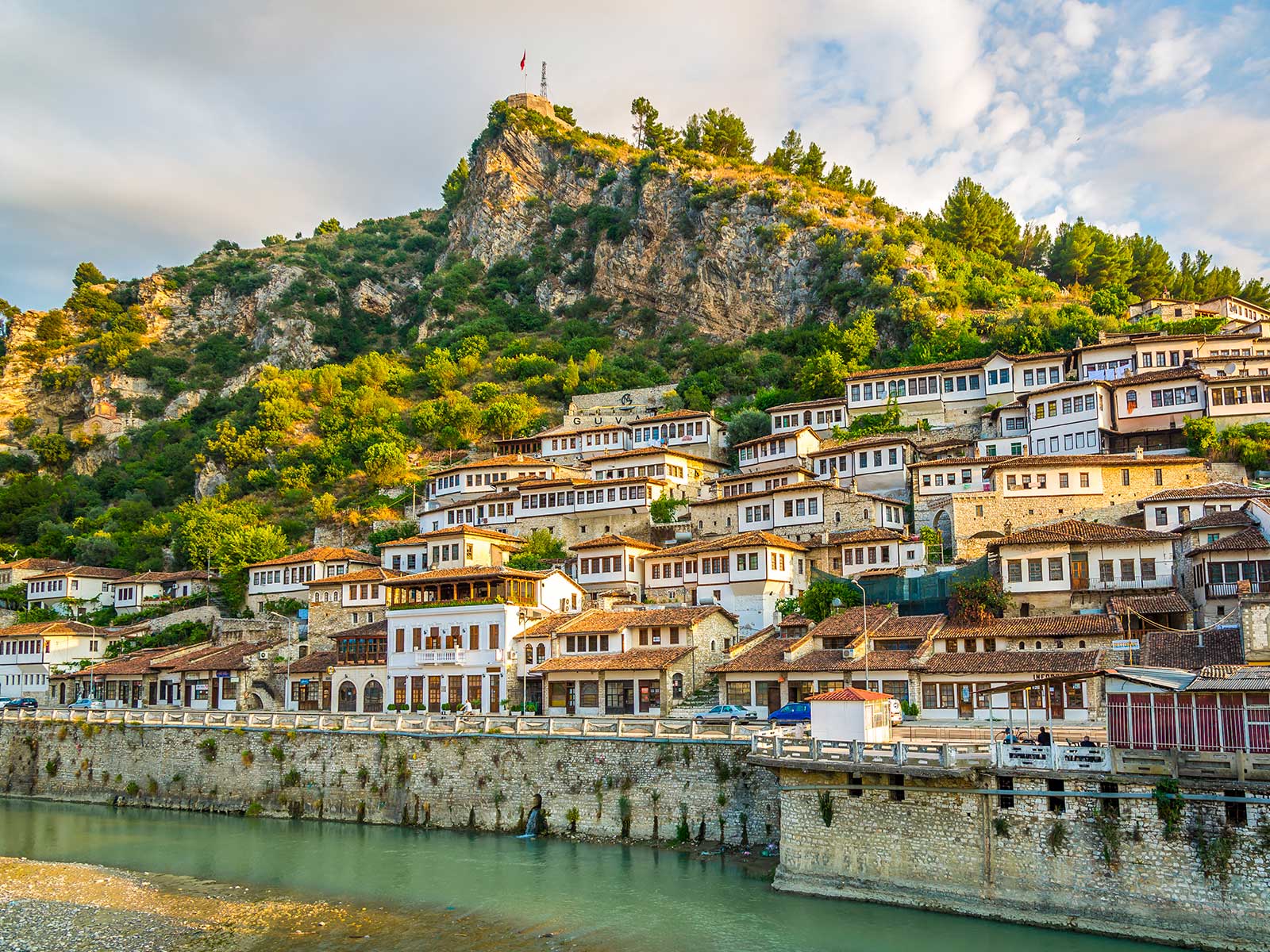
Iso-polyphony involves a lead singer (marrës), a second voice (prerës) that harmonizes or contrasts, a third voice (hedhës) that adds ornamentation, and a continuous drone (iso) provided by the rest of the group. This drone acts as a rhythmic and harmonic foundation, creating an ethereal and powerful sound. To experience this living tradition, consider visiting areas around Gjirokaster Castle or the Historic Center of Berat, where it thrives in cultural events and local gatherings.
Fun Fact:The term "iso" in Iso-polyphony refers to the drone, which is sung continuously and without interruption, providing the harmonic backbone for the other voices.
Traditional Instruments: The Voices of the Land
Albanian folk music is characterized by a fascinating array of traditional instruments, each with its own story and sound:
- Lahuta:A single-stringed, bowed lute, often associated with epic songs and ballads (këngë kreshnikësh) from Northern Albania. It's a symbol of national identity and storytelling, particularly around areas like Kruje Castle and Shkoder Lake.
- Çifteli:A two-stringed plucked instrument, similar to a mandolin, found throughout Albania. Its name literally means "two strings," and it's commonly used to accompany singing and dancing.
- Fyell (Flute) & Gajde (Bagpipes):Various types of flutes and bagpipes are integral to pastoral and celebratory music, especially in mountainous regions.
- Dajre (Tambourine) & Tupan (Drum):Percussion instruments that provide the rhythmic backbone for many folk dances and songs.
- Sharkia:A long-necked lute with more strings than the çifteli, producing a richer sound, often used in urban folk music.
Regional Rhythms: A Musical Map
Albania's diverse geography has fostered distinct musical styles across its regions:
- Northern Albania (Gheg):Characterized by monophonic epic songs, often accompanied by the lahuta. These ballads recount tales of heroes, battles, and ancient codes of honor. The music here is often more stark and powerful, reflecting the rugged mountain terrain.
- Central Albania:Shows influences from Ottoman classical music, particularly in urban centers like Tirana and Durres. This region features more melodic and ornamented vocal styles, often accompanied by instruments like the clarinet, violin, and accordian, alongside traditional lutes.
- Southern Albania (Tosk & Lab):Home to the famous Iso-polyphony, but also to lyrical solo songs and instrumental pieces. The music here is often more melancholic and reflective, yet can also be incredibly lively during celebrations. The coastal areas, including near Porto Palermo, have their own distinct Lab vocal traditions.
The Heartbeat of Albanian Dance
Albanian dance is a dynamic and expressive art form, deeply embedded in social gatherings, celebrations, and historical narratives. It's a visual spectacle of community, rhythm, and passion.
Traditional Dances: Steps of History and Joy
Albanian folk dances are diverse, ranging from powerful male warrior dances to graceful female group dances, and lively mixed-gender celebrations. Some prominent examples include:
- Valle:A broad term for many traditional group dances, often performed in a circle or line. Dancers hold hands or link arms, moving with synchronized steps. Each region has its own variations, but the spirit of community is central.
- Hora:A lively circle dance, often performed at weddings and festivals. The steps can be intricate and energetic, encouraging participation from all ages.
- Tropoja Dance:Originating from the northern region of Tropoja, this is a fast-paced and highly energetic male dance, often featuring impressive jumps and intricate footwork, reflecting the strength and agility of mountain life.
- Shota:While shared with Kosovo, the Albanian version of Shota is a popular and energetic couple's dance, characterized by quick steps, spins, and expressive gestures, symbolizing courtship and joy.
- Lab Dances:From the southern Labëria region, these dances often feature powerful, stomping movements and can be performed by men or women, sometimes accompanied by the unique vocal drone of Lab polyphony.
The Splendor of Costumes
Traditional Albanian costumes (veshje kombëtare) are an integral part of dance performances, adding to their visual splendor and cultural depth. Each region boasts distinct styles, fabrics, and embellishments, reflecting local traditions and history. Elaborate embroidery, silver filigree, and vibrant colors are common, making each costume a work of art in itself. The type of hat, vest, skirt, or trousers often indicates a dancer's origin.
Social Significance: More Than Just Movement
Dance in Albania is not merely entertainment; it's a vital social glue. It reinforces community bonds, celebrates life's milestones (weddings, births, holidays), and preserves cultural heritage. Participating in or witnessing an Albanian folk dance is to experience the collective spirit and enduring traditions of the people.
Where to Experience Albanian Music and Dance
For travelers eager to immerse themselves in Albania's musical and dance traditions, several avenues offer authentic experiences:
- National Folk Festival of Gjirokastër:Held every four to five years at Gjirokaster Castle, this is the premier event for showcasing Albania's diverse folk music and dance. It's an unforgettable spectacle of sound, color, and tradition.
- Local Restaurants and Tavernas:Many traditional restaurants, especially in cities like Tirana,Berat, and Gjirokaster, feature live folk music and dance performances, particularly on weekends.
- Cultural Centers and Theaters:Look for performances by national folk ensembles in larger cities. The National Experimental Theatre "Kujtim Spahivogli" in Tirana occasionally hosts such events.
- Weddings and Festivals:If you're lucky enough to be invited to an Albanian wedding or stumble upon a local village festival, embrace the opportunity! These are often the most genuine and lively settings for traditional music and dance.
- Rural Villages:Venturing into more remote villages can offer impromptu encounters with local musicians and dancers, especially during harvest festivals or community gatherings.
Tips for Travelers
- Be Respectful and Engaged:When witnessing a performance, show appreciation. If invited to dance, don't be shy! Even simple steps are welcomed.
- Ask Locals:Your guesthouse host or local guides can often point you to the best places to experience live music and dance during your visit.
- Look for Cultural Workshops:Some cultural organizations or guesthouses may offer workshops for travelers interested in learning basic folk dance steps or traditional instruments.
Embrace the Albanian Rhythm
The music and dance of Albania are not just art forms; they are living testaments to the country's rich past and vibrant present. From the haunting beauty of Iso-polyphony to the infectious energy of a traditional hora, these cultural expressions offer profound insights into the Albanian spirit. So, as you explore this captivating nation, open your ears and your heart to its unique rhythms – they are sure to leave an indelible mark on your journey.