
Is Albania Safe for Tourists? A Comprehensive Travel Guide
Albania, a land of rugged mountains, pristine coastlines, and rich history, has rapidly emerged as a captivating destination in the Balkans. As more travelers discover its unique charm, a common question arises:Is Albania safe for tourists?This guide aims to provide a factual and comprehensive overview, helping you plan a worry-free adventure.
Overall Safety & General Perception
The short answer is yes, Albania is generally very safe for tourists. It boasts a low crime rate, particularly concerning violent crime against foreigners. The Albanian people are renowned for their hospitality, often going out of their way to assist visitors. Like any travel destination, however, common sense and awareness are your best allies.
Compared to many Western European countries, Albania often feels more relaxed and less prone to the petty crimes that plague major tourist hubs. The country has made significant strides in improving its infrastructure and security for a burgeoning tourism industry. While the perception of safety can sometimes be influenced by its past, modern Albania is a welcoming and secure place for travelers.
Common Concerns & How to Mitigate Them
Petty Crime: Pickpocketing & Bag Snatching
While rare, petty theft can occur, especially in crowded tourist areas like markets, bus stations, or popular attractions in Tirana. To minimize risk:
- Keep valuables secure:Use a money belt or secure bag.
- Be aware of your surroundings:Especially in crowded places.
- Avoid flashing expensive items:Keep cameras and phones discreet when not in use.
- Don't leave belongings unattended:Even for a moment, in cafes or on beaches like those in Ksamil.
Traffic & Driving
Road conditions in Albania have improved significantly, but driving can still be an adventure. Traffic rules are sometimes interpreted loosely, and road etiquette can differ from what you might be used to. Pedestrians should also exercise caution when crossing streets, as drivers may not always yield.
If you plan to drive:
- Drive defensively:Expect the unexpected from other drivers.
- Avoid driving at night:Especially on rural or mountainous roads, as lighting can be poor and livestock may be on the road.
- Ensure your rental car is in good condition:And has comprehensive insurance.
- Use GPS:Roads can be winding and signage less frequent in some areas.
Fun Fact:In Albania, it's common for drivers to flash their headlights as a signal. This can mean "I'm coming through!" or "You can go ahead," so observe local driving patterns carefully.
Scams
Tourist scams are not widespread in Albania, but as with any destination, a degree of skepticism is healthy. Be wary of overly friendly strangers offering unsolicited help or directions, especially if it leads to a request for money. Always agree on taxi fares before starting your journey.
Political Stability & Protests
Albania is a stable parliamentary republic. While political demonstrations can occasionally occur in Tirana, they are generally peaceful and focused on specific domestic issues. Tourists are rarely targeted or affected. If you encounter a protest, it's best to simply avoid the area and follow local authority instructions.
Health & Medical Facilities
Medical facilities in Albania, particularly outside of Tirana and other major cities like Durres, may not meet Western European standards. For serious conditions, evacuation to a neighboring country might be necessary. Therefore:
- Travel insurance is crucial:Ensure it covers medical emergencies and emergency evacuation.
- Carry essential medications:With a doctor's note, if required.
- Pharmacies are well-stocked:Especially in urban areas.
- Tap water:While generally safe in major cities, bottled water is recommended for drinking, especially in rural areas.
Safety in Specific Regions & Activities
Cities & Historical Sites
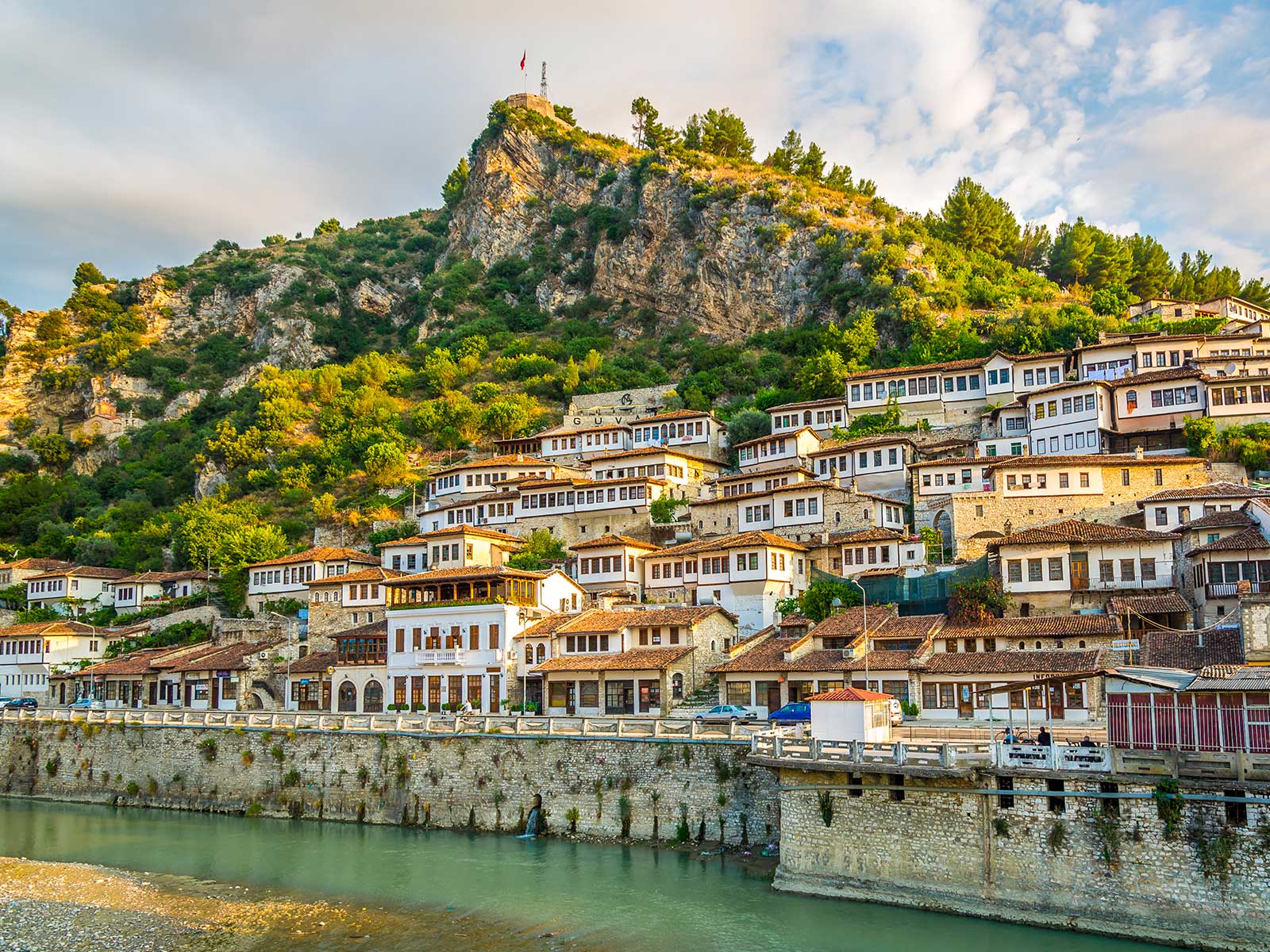
Major cities like Tirana,Durres,Berat, and Gjirokaster are generally safe for exploring. You can comfortably visit attractions such as Kruje Castle or wander through the historic centers. Exercise normal urban precautions, especially at night. Well-lit, populated areas are always safer.
Coastal Areas & Beaches
The Albanian Riviera, with its stunning beaches like those near Ksamil, is very safe. Swimming in the Ionian and Adriatic Seas is generally safe, but always be mindful of currents and heed any local warnings. Lifeguards may not be present on all beaches, so swim with caution. Boating excursions, including those to nearby attractions like Porto Palermo, are popular and typically well-regulated.
Mountainous Regions & Hiking
Albania's majestic mountains offer incredible hiking opportunities, from the Accursed Mountains in the north to the Llogara Pass in the south. When exploring areas like those around Shkoder Lake or the trails leading to the Blue Eye spring:
- Hike with a buddy or guide:Especially on less-trafficked trails.
- Inform someone of your itinerary:And expected return time.
- Carry appropriate gear:Water, first-aid, navigation tools.
- Check weather forecasts:Mountain weather can change rapidly.
Public Transportation, Taxis & Rental Cars
- Buses & Furgons (Minibuses):These are affordable and generally safe. Furgons often run on flexible schedules and can be crowded. Keep an eye on your belongings.
- Taxis:Use official, metered taxis or ride-sharing apps where available (e.g., in Tirana). Always confirm the price or ensure the meter is running before starting.
- Rental Cars:Offer the most flexibility but come with the aforementioned driving challenges. Ensure your rental agreement includes roadside assistance.
Emergency Information
Knowing emergency contacts is vital for any trip:
- Emergency Services (General):112
- Police:129
- Ambulance:127
- Fire:128
Keep your embassy's contact details handy. It's also wise to have copies of your passport and other important documents, stored separately from the originals.
Tips for a Safe and Enjoyable Trip
- Learn Basic Phrases:A few words of Albanian (e.g., "Përshëndetje" - Hello, "Faleminderit" - Thank you) can go a long way in connecting with locals and demonstrating respect.
- Respect Local Customs:Albania is a secular state with a mix of religious influences. Dress modestly when visiting religious sites. Hospitality is highly valued.
- Stay Informed:Keep an eye on local news or government travel advisories for any updates during your trip.
- Trust Your Instincts:If a situation feels uncomfortable or unsafe, remove yourself from it.
- Explore Responsibly:When visiting natural wonders like Butrint National Park or the Blue Eye, respect environmental guidelines and stay on marked paths.
Conclusion
Albania is a beautiful, welcoming, and overwhelmingly safe country for tourists. Its rich history, stunning landscapes, and warm hospitality offer an unforgettable travel experience. By exercising standard travel precautions, respecting local customs, and staying informed, you can confidently explore all that this hidden gem of the Balkans has to offer. Pack your bags and prepare for an incredible adventure!