
Gjirokaster Castle: History, Visiting Tips & More
Perched majestically above Albania's "Stone City," Gjirokaster Castle stands as a formidable testament to centuries of history, offering panoramic views and a deep dive into the region's past. This iconic fortress, integral to the UNESCO World Heritage status of Gjirokaster's Historic Centre, is a must-visit for anyone exploring southern Albania.
A Fortress Through the Ages: Gjirokaster Castle's Rich History
The origins of Gjirokaster Castle are shrouded in time, with archaeological evidence suggesting fortifications on this strategic hill date back to the 4th century AD, possibly even earlier. While its earliest forms are attributed to the Byzantine Empire, it truly began to take its imposing shape during the medieval period.
The castle as we largely see it today, however, owes much of its grandeur and expansion to the Ottoman era. The formidable walls and towers were significantly reinforced and extended in the 13th century by the local Zenebishi family. Later, in the early 19th century, the notorious Ottoman Albanian ruler, Ali Pasha of Ioannina, undertook massive reconstruction and expansion. He transformed it into one of the largest and most powerful fortresses in the Balkans, adding the distinctive clock tower and expanding its internal structures.
"Gjirokaster Castle isn't just a fortress; it's a living chronicle of Albania, reflecting the rise and fall of empires and the resilience of its people through Byzantine, Ottoman, and modern eras."
In the 20th century, the castle's role shifted dramatically. During the reign of King Zog, it was converted into a notorious political prison, a function it sadly maintained during the communist regime after World War II. Thousands were incarcerated within its cold stone walls, making it a site of both historical significance and somber reflection. Today, parts of the former prison are open to visitors, offering a poignant glimpse into this darker chapter.
Beyond its military and punitive roles, Gjirokaster Castle has also served as a cultural hub. Since 1968, its vast internal courtyard has been the primary venue for the National Folk Festival of Albania, a prestigious event that celebrates traditional Albanian music, dance, and costume, further cementing its place in the nation's cultural identity.
Architectural Marvels and Key Features
The sheer scale of Gjirokaster Castle is impressive, dominating the skyline of the Historic Centre of Gjirokaster. Its design is a masterful blend of defensive strength and strategic positioning, utilizing the natural contours of the hill.
The Clock Tower
One of the most recognizable features is theClock Tower, added by Ali Pasha. This elegant structure, while functional, also symbolized his power and the castle's prominence. From its vicinity, visitors are treated to breathtaking panoramic views of the Gjirokaster valley, the Drino River, and the surrounding mountains.
The Museum of Weapons
Housed within the castle's expansive chambers is theNational Museum of Weapons(Muzeu i Armëve). This museum showcases a fascinating collection of weaponry, ranging from ancient firearms and swords to pieces used during World War II. It provides a comprehensive overview of Albania's military history and its struggles for independence.
The Prison Section
A somber yet essential part of the castle experience is the former political prison. Walking through the stark cells and corridors offers a powerful, albeit chilling, insight into the lives of those imprisoned here during various regimes. It serves as a stark reminder of Albania's turbulent 20th century.
The American Spy Plane
An unusual, yet intriguing, exhibit found within the castle grounds is the wreckage of a US Air Force T-33 shooting star reconnaissance plane. Shot down in 1957, during the height of the Cold War, its presence here sparks curiosity and offers a tangible link to a tense global period.
The castle's ramparts and battlements offer endless opportunities for exploration, revealing hidden passages, lookout points, and intricate defensive designs. The vast open spaces also make it an ideal venue for large-scale events like the National Folk Festival.
Planning Your Visit to Gjirokaster Castle
To make the most of your trip to this historic monument, here are some practical tips:
Getting There
Gjirokaster Castle is located at the highest point of the city. If you're staying in the Old Bazaar area, it's a steep but manageable walk up cobbled streets. Alternatively, local taxis are readily available to take you directly to the entrance.
Opening Hours and Best Time to Visit
Opening hours can vary seasonally, so it's always wise to check locally or online before your visit. Generally, the castle is open daily. To avoid the heat of the midday sun, especially during summer, consider visiting in the early morning or late afternoon. These times also offer fantastic lighting for photography.
What to Expect Inside
- Time Allocation:Allow at least 2-3 hours to fully explore the castle, including the museum, prison, and enjoying the panoramic views.
- Footwear:Wear comfortable walking shoes, as you'll be navigating uneven cobblestones, stairs, and potentially slippery surfaces.
- Hydration:Bring water, especially on hot days, as there are limited facilities inside the castle itself.
- Photography:Don't forget your camera! The views are spectacular, and the castle's architecture is incredibly photogenic.
- Guidance:While self-exploration is rewarding, consider hiring a local guide at the entrance for deeper historical insights.
"For the best panoramic photos of the 'Stone City' and the Drino Valley, head to the ramparts near the Clock Tower at either sunrise or sunset. The light is magical!"
Exploring Gjirokaster: The Stone City Experience
Your visit to the castle is just one part of the rich experience that Gjirokaster offers. The entire Historic Centre of Gjirokaster is a UNESCO World Heritage site, famous for its unique Ottoman-era architecture, characterized by stone roofs and distinctive defensive tower houses.
Be sure to wander through theOld Bazaar, where you can find traditional crafts, local souvenirs, and charming cafes. Visit a restored Ottoman house, such as theZekate Houseor theSkenduli House, to gain insight into the traditional lifestyle of wealthy Gjirokastrians. For a unique Cold War perspective, explore theCold War Tunnel, a massive bunker built beneath the city.
Nearby Wonders: Extending Your Albanian Adventure
Gjirokaster serves as an excellent base for exploring other gems in southern Albania:
- The Blue Eye (Syri i Kaltër):A stunning natural spring known for its vibrant blue waters and incredible depth, perfect for a refreshing stop.
- Butrint National Park:Another UNESCO World Heritage site, this ancient city offers a captivating journey through Greek, Roman, Byzantine, and Venetian ruins, set amidst a beautiful natural landscape.
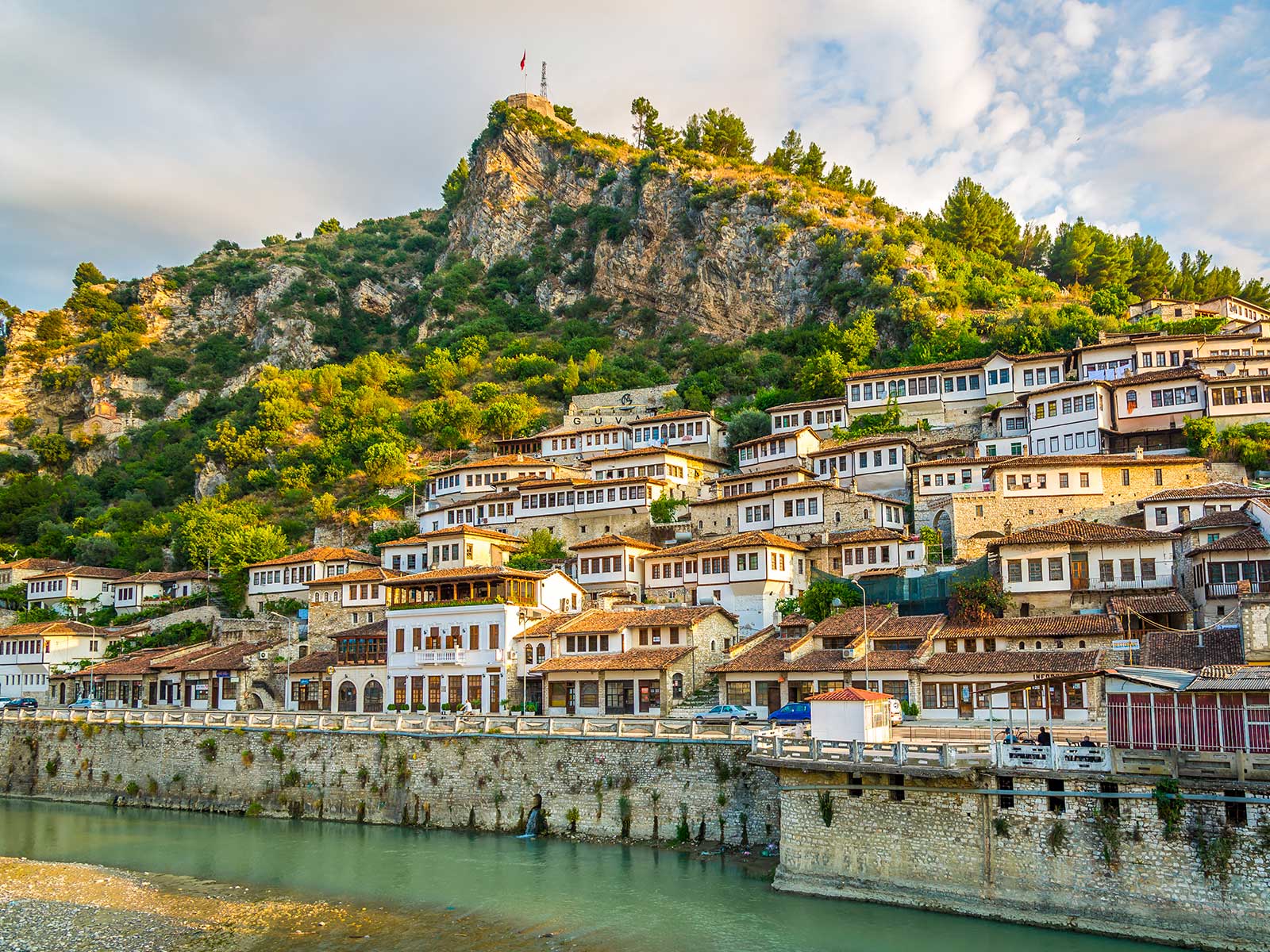
- Berat, the City of a Thousand Windows:Just a few hours north, Berat is another UNESCO-listed city renowned for its Ottoman architecture, towering castle, and unique residential quarters.
- Ksamil and the Albanian Riviera:For those seeking sun and sea, the beautiful beaches of Ksamil and the wider Albanian Riviera are easily accessible, offering crystal-clear waters and idyllic islands.
- Porto Palermo Castle:A smaller, yet historically significant, castle nestled on a picturesque bay along the Albanian coast, offering a different castle experience.
Conclusion: A Timeless Albanian Treasure
Gjirokaster Castle is more than just a historical monument; it's a symbol of Albania's enduring spirit and rich cultural tapestry. From its ancient foundations to its role in modern history and as a custodian of folk traditions, the castle offers an unforgettable journey through time. A visit here is not merely a sightseeing trip but an immersive experience into the heart of Albania's 'Stone City,' leaving visitors with a profound appreciation for its past and present.