
Getting Around Albania: Public Transport, Car Rental & More
Albania, a land of rugged mountains, pristine coastlines, and ancient history, offers a unique adventure for every traveler. Navigating this captivating country requires understanding its diverse transportation options, from bustling public buses to the freedom of a rental car. This guide will help you choose the best way to explore Albania's hidden gems and iconic landmarks.
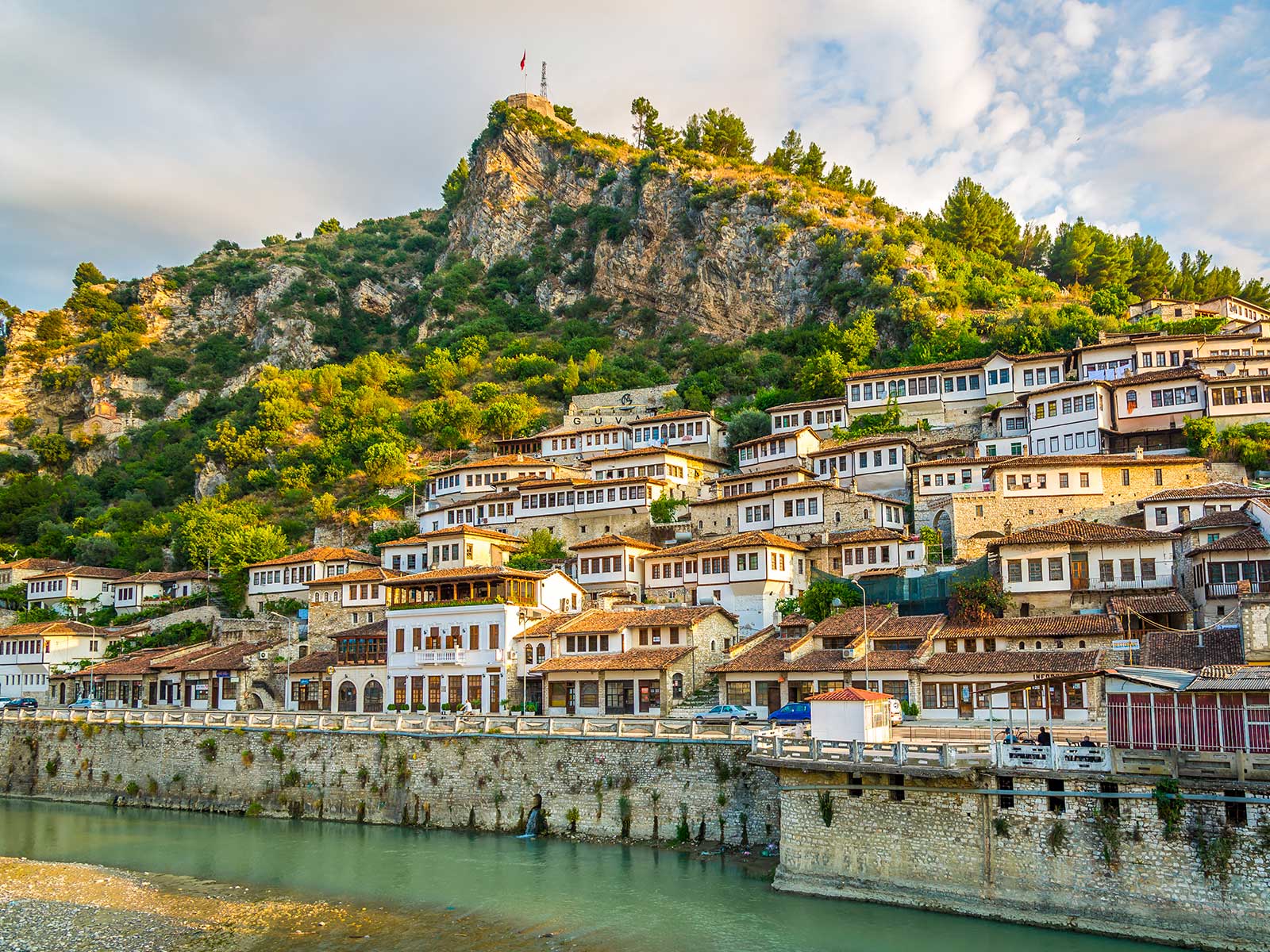
Whether you're planning to delve into the vibrant capital of Tirana, explore the historic cities of Berat and Gjirokaster, or relax on the beaches of Ksamil, knowing how to get around is key. Albania's transportation infrastructure has seen significant improvements in recent years, offering a blend of traditional and modern ways to travel.
Public Transport in Albania: Buses & Furgons
Public transport is the backbone of travel for many Albanians and a cost-effective way for visitors to navigate the country. It primarily consists of a network of buses and minibuses, often referred to as furgons.
Buses: Intercity & Local
Larger, more comfortable buses connect major cities and towns. These are ideal for longer journeys between hubs like Tirana,Durres, Shkodra (near Shkoder Lake),Berat, and Sarandë. They typically follow fixed schedules, especially for early morning departures. Bus stations, or "stacion autobusi," can range from organized terminals in larger cities to informal parking lots in smaller towns. Always confirm departure times locally, as information online can sometimes be outdated.
Furgons (Minibuses): The Albanian Workhorse
Furgons are ubiquitous throughout Albania and offer a more flexible, often quicker, way to travel between smaller towns and villages, or for shorter intercity routes. They are essentially shared minivans that depart when full, or on a semi-regular schedule. While sometimes less comfortable than larger buses, furgons provide a more authentic local experience. You'll often find them congregating at designated spots in city centers or near markets. Don't be shy to ask locals for directions to the nearest furgon station or stop.
Tip:When traveling by furgon, it's common practice to pay the driver directly upon boarding or at the end of your journey. Keep small denominations of local currency handy.
Navigating City Transport
In major cities like Tirana and Durres, local bus networks efficiently cover urban areas. Tickets are usually purchased directly from a conductor onboard. Taxis are also readily available, identifiable by their yellow color. Agree on a fare before starting your journey, or ensure the meter is used. Ride-sharing apps are also gaining popularity in Tirana, offering a convenient alternative.
Trains: A Limited Option
Albania's railway network is limited and largely outdated, serving only a few routes, primarily for cargo. While a unique experience for some, trains are generally not a practical or time-efficient option for most tourist travel within the country.
Renting a Car in Albania: Freedom to Explore
For those seeking ultimate flexibility and the ability to reach remote attractions, renting a car is an excellent choice. It allows you to craft your own itinerary and discover hidden gems at your own pace, from the stunning Albanian Riviera to inland historical sites.
Pros and Cons of Car Rental
Pros:
- Flexibility:Set your own schedule and stop whenever you wish.
- Accessibility:Reach destinations not easily served by public transport, such as Blue Eye,Butrint National Park, or Porto Palermo.
- Comfort:Enjoy air-conditioned travel, especially during hot summer months.
Cons:
- Road Conditions:While major roads have improved significantly, rural roads can be challenging, with potholes or unpaved sections.
- Driving Style:Albanian drivers can be assertive; defensive driving is recommended.
- Parking:Can be difficult and competitive in city centers.
Tips for Renting and Driving
- International Driving Permit:While some rental agencies might accept just a national license, an International Driving Permit (IDP) is highly recommended and often required by law.
- Insurance:Opt for comprehensive insurance coverage. It's better to be safe than sorry, especially given varying road conditions.
- Navigation:Download offline maps (e.g., Google Maps, Maps.me) as GPS signal can be intermittent in mountainous areas. Road signage is generally good on main routes.
- Fuel:Petrol stations are plentiful, even in smaller towns.
- Traffic Laws:Familiarize yourself with basic Albanian traffic laws. Headlights are often used even during the day, and seatbelts are mandatory.
Interesting Fact:Albania has a surprisingly high number of car washes, even in remote areas, reflecting the local pride in vehicle appearance!
Taxis and Ride-Sharing: Convenient on Demand
For shorter distances or when time is of the essence, taxis and ride-sharing services offer a convenient solution, particularly in urban areas.
Taxis
Official taxis are yellow and should have a meter, though it's always wise to confirm the fare or negotiate a price before starting your journey, especially for longer trips. Taxis are readily available at airports, bus stations, and major tourist spots. For instance, getting a taxi from Tirana to nearby attractions like Kruje Castle is a common and practical option.
Ride-Sharing Apps
Apps like Bolt have a strong presence in Tirana and are expanding to other larger cities. They offer transparent pricing and the convenience of booking through your smartphone, reducing potential language barriers and fare negotiation hassles.
Other Ways to Get Around Albania
Ferries: Scenic Water Journeys
While not extensive, ferries offer some of the most memorable travel experiences. The Koman Lake Ferry, traversing a stunning fjord-like landscape, is a must-do for many travelers heading to the Albanian Alps. There are also coastal ferries and boats connecting towns like Sarandë to nearby Greek islands, and local boats for exploring coastal areas such as around Ksamil.
Cycling and Walking
For active travelers, cycling and walking can be rewarding, especially in specific regions. Many towns, including the historic centers of Berat and Gjirokaster, are best explored on foot. Long-distance cycling is growing in popularity, particularly along the Albanian Riviera, though be prepared for challenging terrain and varying road conditions.
Practical Tips for Smooth Albanian Travel
- Flexibility is Key:Schedules, especially for furgons, can be fluid. Embrace the spontaneity and allow extra time for travel.
- Local Currency:Always have some Albanian Lek (ALL) on hand, especially for public transport and smaller purchases.
- Language:While English is spoken in tourist areas and by younger generations, learning a few basic Albanian phrases will greatly enhance your experience, especially when dealing with public transport drivers.
- Stay Connected:Consider purchasing a local SIM card for data, useful for navigation and communication.
- Ask Locals:Albanians are generally very friendly and helpful. Don't hesitate to ask for directions or advice on transportation.
Albania's transportation options cater to all types of travelers, from budget-conscious backpackers relying on public buses to adventurers seeking the freedom of a rental car. Each method offers a unique perspective on this vibrant country. By understanding your choices and preparing accordingly, you'll be well-equipped to explore Albania's breathtaking landscapes, rich history, and warm hospitality with ease and confidence.