
Exploring Albania's UNESCO World Heritage Sites
Albania, a land where ancient history meets breathtaking landscapes, invites travelers to uncover its captivating past. Among its many treasures, the country proudly boasts three UNESCO World Heritage Sites, each offering a unique window into the diverse civilizations that have shaped this vibrant nation. Prepare to journey through millennia of history, from Hellenic ruins to Ottoman marvels, as you explore Albania's most significant cultural landmarks.
Unveiling Albania's Ancient Past: Butrint National Park
Nestled in the tranquil south of Albania, just a stone's throw from the modern coastal town of Saranda, lies Butrint National Park. This extraordinary archaeological site is a testament to successive civilizations, offering a layered chronicle of Greek, Roman, Byzantine, Venetian, and Ottoman influences. The ancient city of Butrint, believed to be founded by Trojans fleeing the fall of their city, presents a captivating mosaic of ruins amidst a pristine natural environment.
As you wander through Butrint, you'll encounter a remarkably preserved Roman theatre, a grand baptistery with an intricate mosaic floor, and the remains of a basilica. The imposing city walls, built during various periods, tell tales of strategic importance and shifting powers. The site's unique blend of archaeological wonders and diverse ecosystems, including wetlands and forests, makes it a true gem for both history buffs and nature lovers.
Did you know?Butrint's strategic location on the Vivari Channel, connecting the Ionian Sea to Lake Butrint, made it a crucial port and trading center throughout antiquity, contributing to its rich cultural tapestry.
Practical Tips for Visiting Butrint:
- Allocate at least 3-4 hours to explore the site thoroughly.
- Wear comfortable shoes, as there's a fair amount of walking on uneven paths.
- Consider visiting in the shoulder seasons (spring or autumn) to avoid summer crowds and heat.
- Combine your visit with nearby attractions like the stunning beaches of Ksamil or the mystical Blue Eye spring for a full day of exploration in southern Albania.
The Twin Cities of History: Berat and Gjirokaster
Further inland, Albania offers two more magnificent UNESCO sites: the historic centers of Berat and Gjirokaster. These cities, often referred to as the "Museum Cities," stand as prime examples of well-preserved Ottoman urban planning and architectural styles, earning them a joint UNESCO designation.
Berat: The City of a Thousand Windows
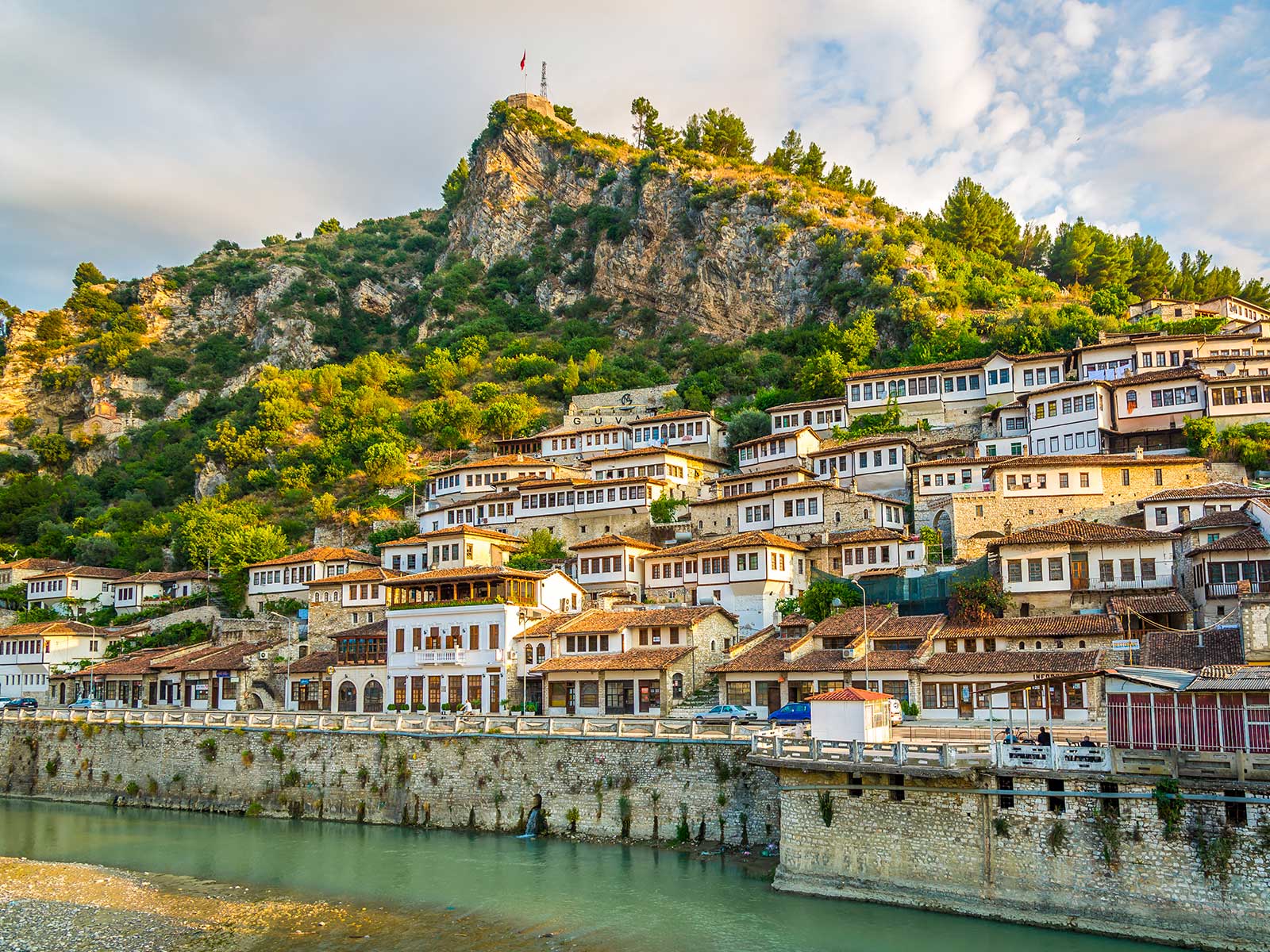
The Historic Center of Berat is a breathtaking spectacle, famous for its unique Ottoman-era houses that seem to climb the hillsides, with their numerous windows gazing out like eyes. This distinctive architecture has earned Berat its poetic moniker. The city is divided by the Osumi River into three main districts: Mangalem, Gorica, and Kalaja (the Castle quarter).
Mangalem, on the north bank, is characterized by its steep, narrow streets and white-washed houses with dark wooden windows that seem to stack one atop another. Across the river, Gorica mirrors Mangalem's charm, connected by the elegant Gorica Bridge. Above them all stands Berat Castle, a vibrant fortress where people still live today, housing churches, mosques, and the Onufri Iconography Museum.
Exploring Berat is like stepping back in time. Discover ancient churches with stunning frescoes, historic mosques, and charming stone alleys. The blend of religious and cultural influences is palpable, reflecting centuries of coexistence and architectural evolution.
"Berat's unique urban fabric, with its 'thousand windows' overlooking the river, truly embodies a harmonious blend of cultural traditions and a rich historical narrative."
Practical Tips for Visiting Berat:
- Wear good walking shoes, as the streets are steep and cobbled.
- Don't miss a walk through the Mangalem and Gorica quarters, and definitely ascend to the castle for panoramic views.
- Try local specialties in one of the traditional restaurants within the castle walls.
Gjirokaster: The Stone City
To the south of Berat lies Gjirokaster, the "Stone City," famous for its unique and well-preserved Ottoman architecture, characterized by its distinctive stone roofs and towering houses resembling small fortresses. Perched dramatically on a hillside, Gjirokaster offers incredible views of the Drino Valley.
The city's imposing Gjirokaster Castle dominates the skyline, housing a military museum and offering spectacular vistas. Below the castle, the Old Bazaar district bustles with artisan shops and traditional cafes, inviting visitors to experience the city's vibrant cultural heritage. Gjirokaster is also the birthplace of notable Albanian figures, including the renowned writer Ismail Kadare and former dictator Enver Hoxha, whose homes are now museums.
The architecture here is particularly striking, with its defensive features, interior courtyards, and intricate stone craftsmanship. Each house tells a story of a bygone era, reflecting the social and economic structures of the Ottoman period.
Practical Tips for Visiting Gjirokaster:
- Navigating the steep, cobbled streets can be challenging; comfortable footwear is essential.
- Visit the castle early in the morning or late afternoon to enjoy fewer crowds and better light for photography.
- Explore one of the preserved traditional houses (like the Skenduli House or Zekate House) to understand the unique interior architecture.
Planning Your Albanian UNESCO Journey
Visiting Albania's UNESCO World Heritage Sites offers an unparalleled journey through history and culture. While each site can be explored individually, combining them into a multi-day itinerary allows for a comprehensive experience of Albania's rich heritage.
- Transportation:Albania's road network has improved significantly. Renting a car offers the most flexibility, though intercity buses and furgons (minibuses) are reliable and economical options for reaching these sites.Tirana often serves as a convenient starting point for exploring the country.
- Best Time to Visit:Spring (April-May) and autumn (September-October) offer pleasant weather, ideal for sightseeing, with fewer tourists than the peak summer months.
- Accommodation:You'll find a range of accommodation options from charming guesthouses within the historic centers to modern hotels in nearby towns.
Beyond the UNESCO Trail
While the UNESCO sites are highlights, Albania offers much more to discover. Consider extending your trip to explore the vibrant capital city of Tirana, with its colorful buildings and lively Blloku district. Delve deeper into history at Kruje Castle, the stronghold of Albania's national hero Skanderbeg, or explore the Roman amphitheater in Durres. For nature enthusiasts, the stunning Albanian Riviera, including places like Porto Palermo, or the serene beauty of Shkoder Lake in the north, provide perfect contrasts to the historical explorations.
Conclusion
Albania's UNESCO World Heritage Sites are not merely ancient ruins or old towns; they are living museums that tell the compelling story of a nation at the crossroads of civilizations. From the ancient Hellenic and Roman echoes of Butrint to the distinctive Ottoman elegance of Berat and Gjirokaster, these sites offer profound insights into Albania's enduring legacy. Embark on this unforgettable journey and discover the captivating history that lies within the heart of the Balkans.