
Durres: Coastal City Guide & Ancient History
Nestled along the Adriatic coast,Durres is Albania's oldest city and its second-largest. This vibrant port city offers a compelling blend of ancient history, sun-drenched beaches, and modern Albanian life, making it a captivating destination for travelers seeking both relaxation and cultural exploration.
A Glimpse into Durres' Storied Past
The history of Durres stretches back nearly three millennia, a testament to its strategic location and natural harbor. Founded in 627 BC by Greek colonists from Corinth and Corcyra (modern-day Corfu), it was originally known as Epidamnos. Later, under Roman rule, it flourished as Dyrrachium, becoming a crucial port and the western starting point of the famous Via Egnatia, a major Roman road connecting the Adriatic with Byzantium (Istanbul).
Throughout its history,Durres has been a coveted prize for various empires. After the Romans, it saw Byzantine, Bulgarian, Venetian, and Ottoman rule, each leaving an indelible mark on its architecture and culture. This rich tapestry of civilizations is what makes exploring Durres feel like walking through a living history book.
Unearthing Ancient Wonders: Must-Visit Historical Sites
The Roman Amphitheatre of Durres
Undoubtedly the crown jewel of Durres' archaeological treasures, the Roman Amphitheatre is one of the largest and most magnificent in the Balkans. Built in the 2nd century AD during the reign of Emperor Trajan, it could seat up to 20,000 spectators for gladiatorial contests and public spectacles. Today, much of its structure remains, offering a profound sense of its former grandeur.
Tip:Don't miss the small, early Christian chapel within the amphitheatre, adorned with beautiful mosaics depicting saints and biblical scenes. It offers a fascinating glimpse into the city's later history.
Durres Archaeological Museum
Adjacent to the amphitheatre, the Durres Archaeological Museum houses an impressive collection of artifacts spanning from the prehistoric era to the late Roman and early Christian periods. Here, you'll find exquisite statues, pottery, mosaics, and everyday objects unearthed from the city and its surroundings. It provides essential context to the ruins you'll explore.
The Venetian Tower and City Walls
Remnants of the city's extensive fortifications can still be seen today. The circular Venetian Tower, dating back to the 15th century, stands proudly near the port, a robust reminder of the city's medieval defenses. Portions of the original Roman and later Byzantine walls are also visible, weaving through modern buildings and providing a fascinating contrast.
The Forum and Roman Baths
While not as well-preserved as the amphitheatre, traces of the ancient Roman Forum and public baths can be found in the city center. These sites offer further evidence of Dyrrachium's importance as a Roman city, where public life and commerce thrived.
Coastal Charms: Beaches and Promenade Life
Beyond its ancient heritage,Durres is also a popular coastal destination, boasting a long stretch of sandy beach that draws both locals and tourists, especially during the summer months. The main Durres Beach, often referred to as Plazhi i Durrësit, extends for several kilometers south of the city center, offering shallow waters ideal for families.
The city's promenade,Shëtitorja Taulantia, is a lively hub of activity. Lined with palm trees, cafes, restaurants, and shops, it's the perfect place for an evening stroll, enjoying the sea breeze, and savoring fresh seafood or a traditional Albanian meal. The modern port of Durres is also a bustling sight, serving as a vital link between Albania and Italy.
Practical Information for Your Durres Visit
Getting There
- From Tirana:Durres is incredibly accessible from Albania's capital,Tirana. Regular furgons (minibuses) and buses depart frequently from Tirana's Regional Bus Terminal, with the journey taking approximately 40-50 minutes.
- By Ferry:As a major port,Durres has regular ferry connections to several Italian cities, including Bari and Ancona.
Getting Around
The city center and main historical sites are largely walkable. For longer distances, local buses are efficient and affordable. Taxis are also readily available, but it's advisable to agree on a fare beforehand.
When to Visit
The shoulder seasons (April-May and September-October) offer pleasant weather for sightseeing and fewer crowds. Summer (June-August) is ideal for beach lovers, but expect higher temperatures and more visitors. Winters are mild but can be rainy.
Where to Stay and Eat
Accommodation options range from budget-friendly guesthouses to modern hotels, both in the city center and along the beach strip. When it comes to dining,Durres excels in fresh seafood, given its coastal location. Don't miss trying local specialties liketave kosi(baked lamb with yogurt) and various grilled meats.
Day Trips from Durres
Durres serves as an excellent base for exploring other parts of central Albania:
- Tirana:A mere stone's throw away, Albania's vibrant capital offers museums, galleries, bustling boulevards, and a dynamic nightlife.
- Kruje Castle:Head north to the historic town of Kruje, home to the impressive Kruje Castle, the Skanderbeg Museum, and a charming Ottoman-era bazaar.
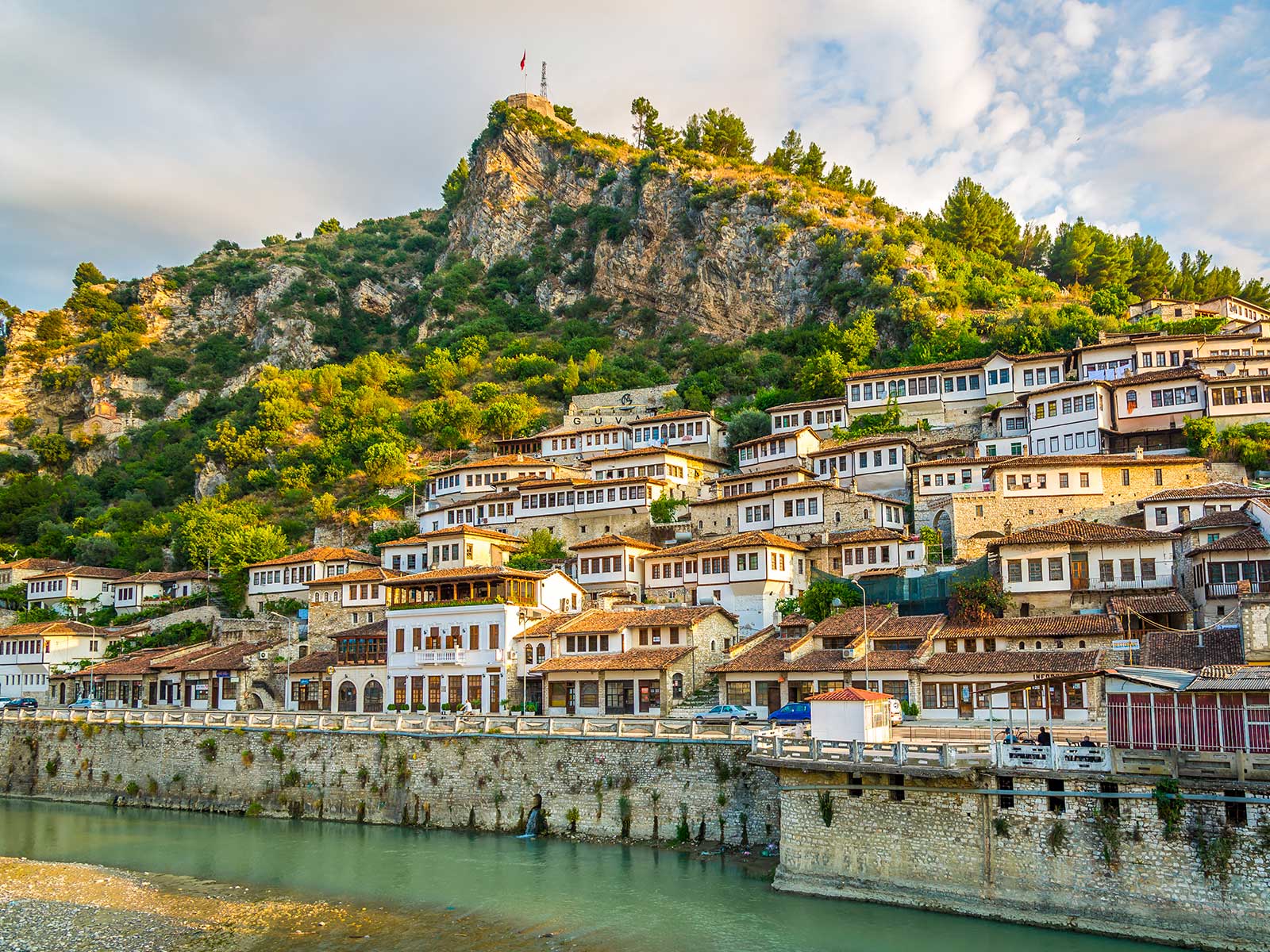
- Historic Center of Berat:A bit further inland, the "City of a Thousand Windows" is a UNESCO World Heritage site renowned for its Ottoman architecture and the magnificent Berat Castle.
Conclusion
Durres offers a compelling travel experience, seamlessly blending its profound ancient history with the relaxed atmosphere of a modern coastal city. Whether you're a history buff eager to explore Roman ruins, a beachgoer seeking sun and sand, or simply looking to experience authentic Albanian culture,Durres promises an unforgettable journey along the Adriatic.