
Driving in Albania: What You Need to Know for a Road Trip
Albania, a land of rugged mountains, pristine coastlines, and ancient history, is increasingly becoming a top destination for adventurous travelers. While public transport options exist, exploring this Balkan gem by car offers unparalleled freedom, allowing you to discover its hidden treasures at your own pace. However, driving in Albania is a unique experience that requires preparation and a good understanding of local customs.
Why Drive in Albania? The Freedom of Exploration
A road trip through Albania unlocks an incredible journey. Imagine winding coastal roads along the Albanian Riviera, leading to sparkling beaches like Ksamil, or ascending into dramatic mountain passes to reach historic towns. Driving gives you the flexibility to detour to a secluded village, spend extra time at a breathtaking viewpoint like the Blue Eye, or simply pull over for an impromptu picnic with a stunning backdrop. It's the ultimate way to experience the country's diverse landscapes and rich cultural tapestry, from the vibrant capital of Tirana to the ancient ruins of Butrint National Park.
Getting Your Wheels: Rental Cars and Requirements
Renting a Car
Renting a car in Albania is straightforward, with options available at Tirana International Airport and major cities. It's advisable to book in advance, especially during peak season. Consider a vehicle with higher ground clearance if you plan to explore more rural or unpaved areas, though a standard sedan is usually fine for most main routes.
- Insurance:Always opt for comprehensive insurance. Roads can be unpredictable, and having full coverage offers peace of mind. Check what your rental includes and if you need additional coverage for cross-border travel if you plan on visiting neighboring countries.
- Local vs. International Agencies:Both international chains and local companies operate. Local agencies might offer more competitive rates, but ensure they have good reviews and clear terms.
Driving License & Documentation
To drive legally in Albania, you'll need the following:
- A valid national driving license from your home country.
- AnInternational Driving Permit (IDP). While not always requested, it is legally required and highly recommended as it translates your license into multiple languages.
- Your passport or ID card.
- Vehicle registration documents (provided by the rental company).
- Proof of insurance (provided by the rental company).
Always keep these documents with you in the car, as you may be asked to present them at police checkpoints.
Rules of the Road: What to Expect on Albanian Highways and Byways
Speed Limits & Traffic Laws
Albania follows standard European speed limits, though they are not always strictly adhered to by locals.
- Urban areas:Typically 40 km/h
- Outside urban areas:80 km/h
- Motorways:110 km/h (though true motorways are limited)
Seatbelts are mandatory for all occupants. Using a mobile phone while driving is prohibited unless hands-free. Drunk driving laws are strict, with a very low blood alcohol limit.
Road Conditions
Road quality varies significantly. Main arteries connecting major cities like Tirana,Durres, and Vlora are generally well-maintained and modern. However, once you venture off these routes, especially into mountainous regions or rural areas, roads can become narrow, poorly paved, or even unpaved. Expect potholes, gravel sections, and occasional livestock on the road. Mountain passes can be winding and steep, demanding careful driving.
Driving Culture
Driving in Albania requires a confident and defensive approach. Local drivers can be assertive and may not always strictly adhere to lane discipline or signaling conventions. Here are a few tips:
- Be alert:Always anticipate unexpected maneuvers from other drivers, pedestrians, and animals.
- Honking:While it might sound aggressive, honking is often used as a warning or a signal of presence, especially on blind corners. Don't take it personally.
- Overtaking:Be cautious when overtaking. Drivers may overtake in seemingly inappropriate places.
- Roundabouts:Generally, traffic already in the roundabout has priority, but always double-check.
- Headlights:It's generally recommended to drive with your headlights on, even during the day, especially outside urban areas.
"Driving in Albania is less about strict adherence to rules and more about a dynamic, communicative flow. Be confident, make eye contact, and understand that honking is often a friendly 'hello, I'm here!' rather than an aggressive gesture."
Fuel & Gas Stations
Gas stations are plentiful in cities and along main roads. You'll find both diesel (naftë) and unleaded petrol (benzinë). Most stations are full-service, meaning an attendant will pump the fuel for you. Credit cards are accepted at many larger stations, but it's always wise to carry some local currency (Albanian Lek) for smaller stations or emergencies.
Parking
Parking in major cities like Tirana can be challenging and often requires payment. Look for designated parking zones or paid lots. In smaller towns and rural areas, parking is generally easier and often free. Always ensure your car is securely locked, and avoid leaving valuables visible.
Toll Roads
As of writing, Albania has very few toll roads. The main toll road is the A1 connecting Tirana to Kukës, which is primarily used for transit to Kosovo.
Navigating Albania: Maps, GPS, and Signs
A reliable GPS system or smartphone app (like Google Maps or Maps.me for offline use) is essential. Road signs are generally clear, often bilingual (Albanian and English), especially on major tourist routes. However, some smaller roads may have less frequent or only Albanian signage. Downloading offline maps is a smart move, as mobile data coverage can be patchy in remote areas.
Safety and Preparedness: Tips for a Smooth Journey
- Emergency Numbers:The general emergency number is 112. For police, it's 129.
- Breakdowns:Ensure your rental car has breakdown assistance coverage. Carry a basic emergency kit, including a reflective vest, warning triangle, and a spare tire with the necessary tools.
- Driving at Night:Avoid driving on unlit, rural, or mountain roads after dark if possible. Potholes are harder to spot, and pedestrians or animals may be less visible.
- Awareness:While generally safe, always be aware of your surroundings, especially when parked in isolated areas.
Must-Visit Destinations Accessible by Car
A car truly opens up Albania's treasures. Here are some highlights you can easily reach:
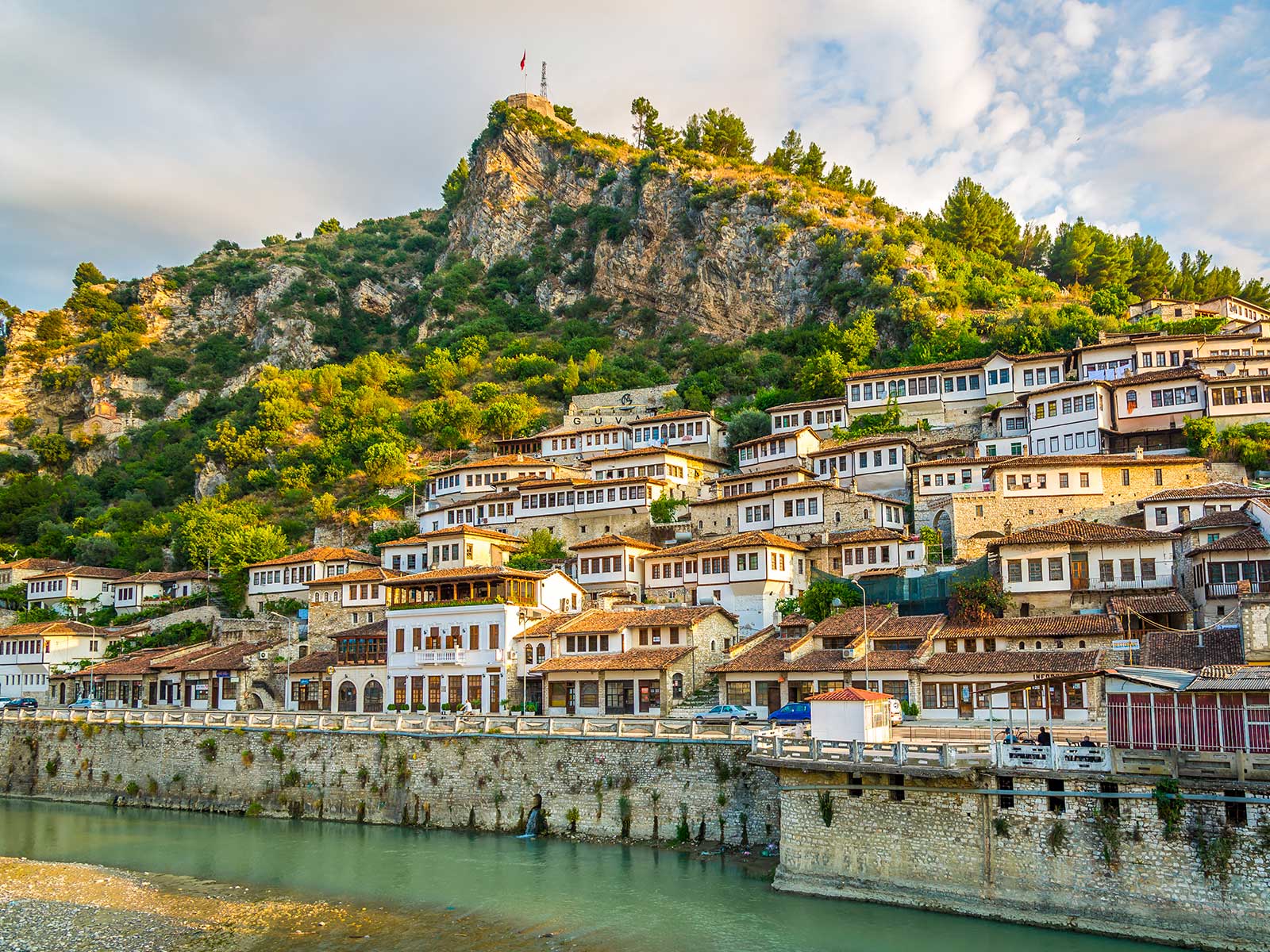
- Historic Cities:Explore the UNESCO-listed 'City of a Thousand Windows', the Historic Center of Berat, or the stone city of Gjirokaster Castle with its unique Ottoman architecture. Don't miss the historical significance of Kruje Castle, nestled in the mountains.
- Coastal Gems:Drive the stunning Albanian Riviera, stopping at places like Porto Palermo with its intriguing castle, or the vibrant beaches of Ksamil. Further south, explore the ancient ruins of Butrint National Park.
- Natural Wonders:Visit the mesmerizing Blue Eye spring or head north to enjoy the tranquility around Shkoder Lake, offering stunning views and opportunities for exploration.
- Urban Experiences:Dive into the bustling energy of Tirana, with its colorful buildings and vibrant café culture, or discover the ancient amphitheater and coastal charm of Durres.
Final Thoughts: Embrace the Adventure!
Driving in Albania is an unforgettable adventure that offers incredible rewards. While it demands attention and adaptability, the freedom to explore its diverse landscapes, ancient sites, and welcoming culture at your own pace is truly priceless. Prepare well, drive defensively, and get ready for a road trip that will leave you with lasting memories of this captivating country.