
Butrint National Park: An Ancient World Heritage Site Guide
Nestled in the southwest corner of Albania,Butrint National Park is a captivating archaeological site and a UNESCO World Heritage treasure. This ancient city, steeped in millennia of history, offers visitors a unique journey through successive civilizations, all set within a stunning natural landscape.
Discovering Butrint: A Tapestry of Civilizations
Butrint is more than just a collection of ruins; it is a living testament to the ebb and flow of empires and cultures. Strategically located on a peninsula between Lake Butrint and the Vivari Channel, which connects to the Ionian Sea, its prime position attracted Greeks, Romans, Byzantines, Venetians, and Ottomans over two millennia. Each left their indelible mark, creating a multi-layered archaeological complex that is both fascinating and profoundly beautiful.
A Journey Through Time: Butrint's Historical Layers
The history of Butrint unfolds like an epic saga, beginning with prehistoric settlements and evolving into a significant urban center. Visitors can trace this evolution through its remarkably preserved structures.
- Greek Colony (6th Century BC):Originally settled by Greek tribes, Butrint (then known as Buthrotum) became a fortified trading post. Evidence of this era includes the impressive ancient theatre, carved into the hillside, and the Sanctuary of Asclepius.
- Roman City (1st Century BC - 4th Century AD):Under Roman rule, particularly during Emperor Augustus's time, Butrint flourished. The city expanded significantly with the construction of an aqueduct, a forum, public baths, and private villas. The Baptistery, with its intricate mosaic floor, dates from this period or slightly later.
- Early Christian & Byzantine Period (5th - 11th Century AD):As the Roman Empire declined, Butrint embraced Christianity. Large basilicas and a new baptistery were constructed, showcasing the city's importance as an early Christian center. The walls were reinforced, reflecting the turbulent times.
- Venetian & Ottoman Eras (14th - 19th Century AD):After centuries of Byzantine rule, Butrint fell under Venetian control, who fortified the city with a triangular castle at the mouth of the Vivari Channel. Later, it became part of the Ottoman Empire, though its importance as a city waned, leading to its eventual abandonment and natural preservation.
Key Archaeological Highlights Not to Miss
Exploring Butrint is an immersive experience. Allow at least 3-4 hours to properly appreciate its wonders.
The Ancient Theatre
One of Butrint's most iconic structures, the theatre dates back to the 3rd century BC. Originally Greek, it was expanded by the Romans and could seat thousands. Its acoustics are still impressive, and it occasionally hosts performances today. Standing here, you can almost hear the echoes of ancient dramas.
The Baptistery with its Mosaic
Dating from the 6th century AD, the Baptistery is renowned for its magnificent, well-preserved mosaic floor. This intricate artwork depicts various animals, birds, and symbolic Christian motifs, reflecting the city's prosperity during the Early Christian period. It is usually covered for protection, but parts are often revealed for viewing.
The Great Basilica
Located near the Baptistery, the ruins of the Great Basilica are a testament to Butrint's significance as a religious center. Though mostly foundations and walls remain, its scale suggests a grand structure that served the city's Christian community.
The Lion Gate
One of the main entrances to the ancient city, the Lion Gate is named for the stone relief above its archway, depicting a lion devouring a bull. This defensive feature protected the city from invaders, particularly from the sea.
The Acropolis and Venetian Castle
Climb to the highest point of Butrint, the Acropolis, where the remains of the ancient Greek city stood. Here, you'll also find the well-preserved Venetian Castle, which now houses the Butrint Museum. The museum offers excellent historical context, displaying artifacts unearthed from the site, from pottery and sculptures to inscriptions. The views from the castle over the Vivari Channel and the surrounding park are breathtaking.
Roman Forum and Villas
Wander through the remains of the Roman Forum, the heart of public life in the Roman city. Nearby, you can explore the foundations of Roman villas, giving a glimpse into the domestic lives of Butrint's affluent residents.
Expert Tip:Don't rush your visit. Butrint's magic lies in its details and the atmosphere of its ancient ruins. Take time to sit and imagine life in these historic spaces.
Beyond the Ruins: Nature and Wildlife
Butrint National Park isn't just about archaeology; it's also a designated Ramsar site, recognized for its rich biodiversity. The park encompasses wetlands, salt marshes, and the serene Lake Butrint, home to a diverse array of flora and fauna.
- Birdwatching:The park is a haven for migratory birds, making it a prime spot for birdwatchers, especially during spring and autumn.
- Unique Ecosystems:The unique blend of saltwater and freshwater environments supports a variety of plant species and aquatic life.
Planning Your Visit to Butrint National Park
Getting There
Butrint is easily accessible, particularly from the popular coastal town of Saranda.
- From Saranda:The most common route. Regular local buses (often referred to as 'furgons') run from Saranda directly to Butrint. Taxis are also readily available. The drive is scenic and takes about 30-40 minutes.
- From Ksamil:If you're staying in Ksamil, Butrint is just a short 10-15 minute drive away. Buses from Saranda to Butrint will pass through Ksamil, or you can take a taxi.
- From Tirana or other major cities:For those traveling from further afield, a rental car offers the most flexibility, though it's a multi-hour drive. Alternatively, you can take a bus to Saranda and then connect to Butrint.
Best Time to Visit
Spring (April-May) and autumn (September-October) offer the most pleasant weather for exploring, with fewer crowds and lush green scenery. Summers can be very hot, but the coastal breeze provides some relief. Winter visits are possible but expect cooler temperatures and potentially more rainfall.
What to Bring
- Comfortable Walking Shoes:The site involves considerable walking over uneven terrain, ancient stones, and some hills.
- Water:Essential, especially during warmer months.
- Sun Protection:Hat, sunglasses, and sunscreen are highly recommended as there is limited shade.
- Camera:For capturing the stunning ruins and natural beauty.
- Insect Repellent:Particularly if visiting near dawn or dusk, due to the wetlands.
Facilities
There's a visitor center at the entrance where you can purchase tickets and find information. The museum inside the Venetian Castle offers restrooms and a small cafe, providing a good spot for a break.
Combining Your Trip: Nearby Attractions
Butrint's location makes it an ideal stop on a wider exploration of Southern Albania.
- The Beaches of Ksamil:Just a few kilometers north,Ksamil offers pristine white sand beaches and turquoise waters, perfect for a post-exploration swim or relaxation.
- The Blue Eye Spring (Syri i Kaltër):A natural wonder, this mesmerizing freshwater spring with its vivid blue hues is a short drive inland and makes for a refreshing stop.
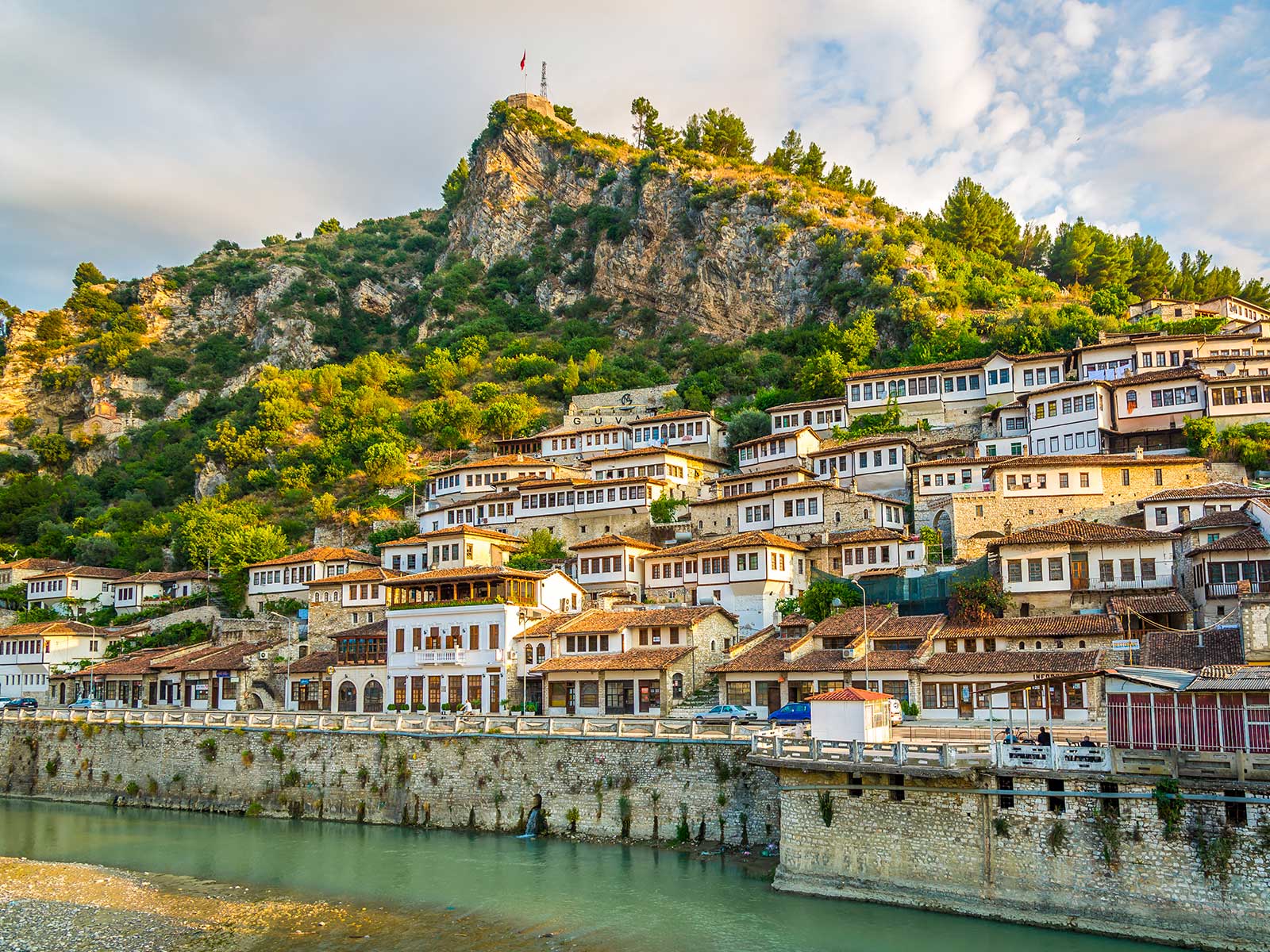
- Other Albanian UNESCO Sites:Consider extending your trip to visit the Ottoman-era 'Museum City' of Gjirokaster Castle or the 'City of a Thousand Windows,' the Historic Center of Berat, both offering different but equally rich historical perspectives.
Tips for a Rewarding Experience
To make the most of your visit to Butrint:
- Allow Ample Time:Don't underestimate the size and historical depth of the park. A minimum of 3 hours is recommended, but a full day can easily be spent exploring.
- Consider a Guide:While well-signposted, a local guide or an audio guide can significantly enhance your understanding of the complex history and unique features of the site.
- Respect the Site:Butrint is a fragile ancient monument and a natural park. Stick to marked paths, do not climb on ruins, and take all your litter with you.
Butrint National Park truly is a jewel in Albania's crown, offering an unforgettable blend of ancient history, archaeological marvels, and natural beauty. It's a must-visit for any traveler seeking to connect with the past and experience the rich cultural tapestry of the Balkans.