
Best Time to Visit Albania for Every Traveler
Albania, the "Land of Eagles," is a captivating destination offering stunning coastlines, ancient history, rugged mountains, and vibrant cities. Deciding the ideal time to visit depends entirely on what you hope to experience in this jewel of the Balkans, as each season unveils a unique charm.
With its diverse geography, Albania experiences a Mediterranean climate along its coast and a continental climate in its mountainous interior. This means warm, dry summers and mild, wet winters by the sea, contrasting with colder, snowy winters and hot, sometimes humid summers in the higher altitudes. Understanding these regional variations is key to planning your perfect Albanian adventure.
Spring: Blossoming Landscapes and Cultural Exploration (March - May)
Spring is arguably one of the most beautiful times to visit Albania. As temperatures rise and the landscape awakens, the country transforms into a vibrant tapestry of green and wildflowers. The weather is pleasantly mild, making it ideal for outdoor activities without the intensity of summer heat or the crowds.
- Pros:Comfortable temperatures (15-25°C), fewer tourists, lush greenery, wildflowers in bloom, ideal for hiking and sightseeing.
- Cons:Sea temperatures are still cool for swimming, some coastal resorts might not be fully operational until late May.
- Best For:
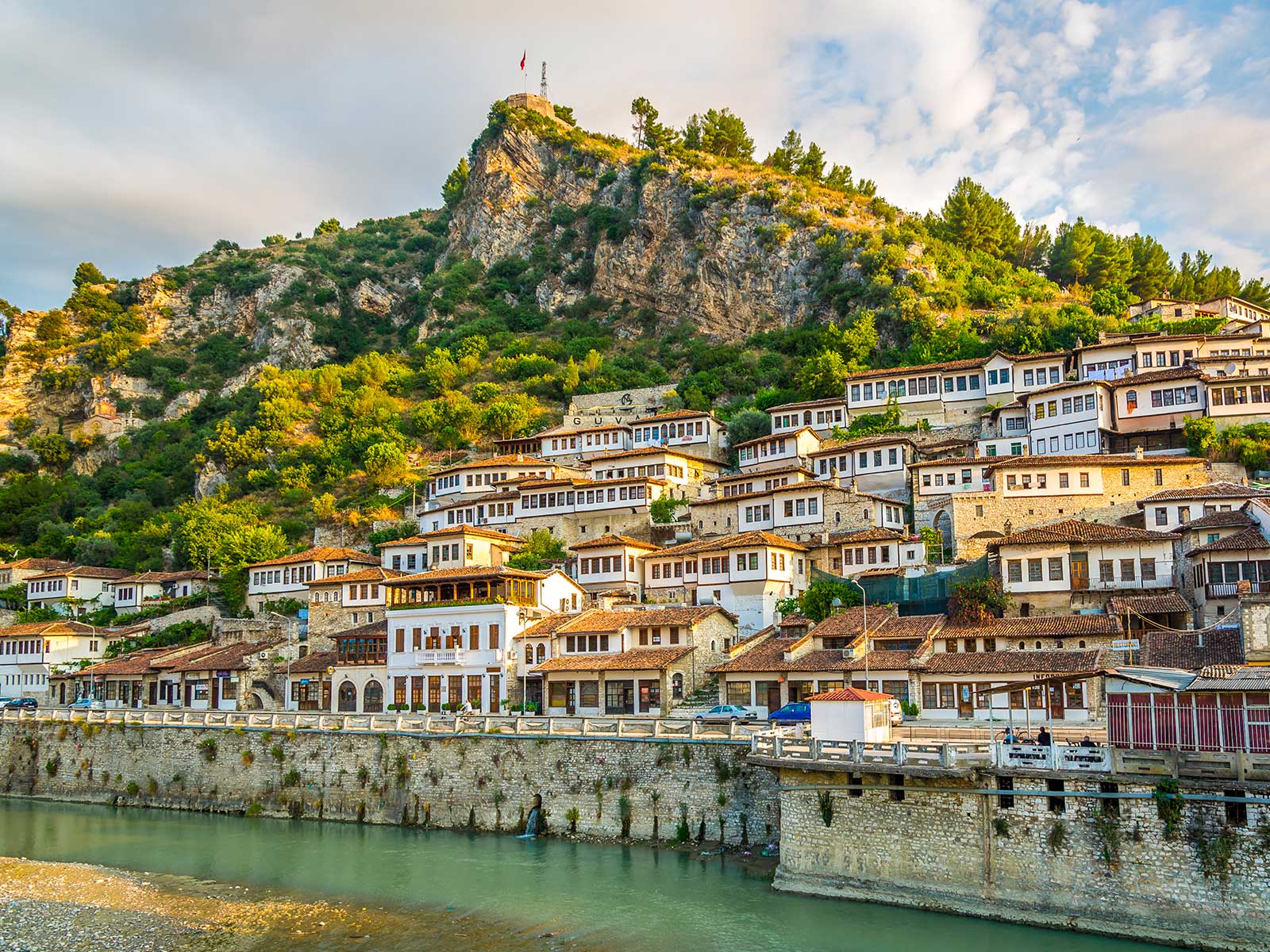
- History & Culture Enthusiasts:Explore ancient sites like Berat's Historic Center and Gjirokaster Castle, or the impressive Kruje Castle, without the summer rush. The weather is perfect for wandering cobblestone streets.
- Hikers & Nature Lovers:The Albanian Alps and other mountain ranges are stunning with melting snow feeding waterfalls and rivers. Explore areas around Shkoder Lake or enjoy gentle treks.
- City Breaks:Tirana buzzes with energy, its parks are green, and cafe culture thrives.
Travel Tip:Early spring (March-April) offers the best chance for wildflower displays, especially in the central and northern regions. Pack layers as evenings can still be cool.
Summer: Sun-Soaked Beaches and Lively Resorts (June - August)
Summer is peak season in Albania, particularly along the stunning Albanian Riviera. The weather is hot and sunny, perfect for beach holidays and water sports. The entire country, from coastal towns to mountain villages, comes alive with tourists and locals enjoying the long days.
- Pros:Hot, sunny weather (25-35°C), ideal for swimming and sunbathing, all tourist services fully operational, lively atmosphere, long daylight hours.
- Cons:Crowds, especially in popular coastal areas like Ksamil, higher accommodation prices, intense heat can make extensive sightseeing uncomfortable in midday.
- Best For:
- Beach Lovers:The turquoise waters of the Ionian and Adriatic coasts are irresistible. Head to Ksamil,Durres, or discover hidden coves around Porto Palermo.
- Family Holidays:Many resorts cater to families, and the warm sea is perfect for children.
- Adventure Seekers:Enjoy boat trips, snorkeling, and exploring natural wonders like the Blue Eye spring. Also, visit the ancient ruins of Butrint National Park, which are beautifully framed by the summer sun.
Autumn: Golden Hues and Pleasant Exploration (September - November)
Autumn is another fantastic time to visit Albania, offering a delightful balance of pleasant weather and fewer crowds. Early autumn still enjoys warm sea temperatures, making it a "shoulder season" sweet spot for both beach and cultural tourism. As the season progresses, the inland landscapes transform with stunning fall foliage.
- Pros:Mild to warm temperatures (15-28°C in early autumn), fewer crowds than summer, sea still warm enough for swimming in September, beautiful autumn colors, harvest festivals.
- Cons:Weather can become more unpredictable and cooler towards November, some coastal establishments begin to close down.
- Best For:
- Wine & Food Enthusiasts:Autumn is harvest season. Explore local vineyards and taste regional delicacies.
- History & Culture Enthusiasts:Similar to spring, the cooler temperatures are perfect for leisurely exploring historical sites like the Historic Center of Berat,Gjirokaster Castle, and the ruins of Butrint National Park.
- Hikers & Nature Seekers:The mountains are ablaze with autumn colors, offering spectacular photographic opportunities. Hiking around Shkoder Lake is particularly rewarding.
Winter: Snow-Capped Mountains and Cozy City Escapes (December - February)
Winter in Albania offers a different, quieter experience. While coastal areas become tranquil, the mountainous regions don their snowy coats, becoming a draw for winter sports enthusiasts. Cities like Tirana offer a festive atmosphere and cultural immersion without the summer bustle.
- Pros:Opportunities for skiing in the mountains, festive atmosphere in cities, very few tourists, lower prices for accommodation outside ski resorts.
- Cons:Cold weather (0-10°C, colder in mountains), some coastal towns may feel deserted, limited outdoor activities in certain regions due to rain or snow, shorter daylight hours.
- Best For:
- Skiers & Snowboarders:While not as developed as other European destinations, areas like Korça and Dardha offer charming ski experiences.
- Budget Travelers:This is generally the most affordable time to visit, excluding holiday periods.
- Cultural Immersion:Enjoy the local life in Tirana, visit museums, and savor hearty Albanian cuisine in cozy restaurants. Explore the quieter streets of Gjirokaster Castle or Berat without the crowds.
Choosing the Best Time for Your Travel Style
Albania truly offers something for every traveler, no matter the season:
- For Beach Enthusiasts:June to early Septemberis undeniably the best, with July and August being peak for hot weather and vibrant coastal life.
- For History & Culture Buffs:April-May and September-Octoberprovide ideal temperatures for exploring ancient sites and cities comfortably.
- For Hikers & Nature Lovers:May-June and September-Octoberoffer perfect hiking weather, with lush landscapes in spring and stunning foliage in autumn.
- For Budget-Conscious Travelers:The shoulder seasons (late March-April, late September-October) or the winter months (excluding holidays) offer better deals on flights and accommodation.
- For Avoiding Crowds:Opt for the shoulder seasons (April-May, September-October) or the quiet winter months for a more serene experience.
- For Families:June and early Septembercan be ideal for a mix of beach time and cultural exploration, balancing good weather with slightly fewer crowds than mid-summer.
Key Considerations for Planning Your Trip
Holidays and Festivals
Albania observes national and religious holidays throughout the year. While most businesses remain open, some may have reduced hours. Major festivals, particularly in summer, can add a lively dimension to your trip but may also mean increased crowds in specific areas.
Regional Differences
Remember the stark contrast between the coastal and mountainous regions. When the coast is sweltering in July, the Albanian Alps might still offer pleasant hiking conditions or even require a light jacket. Plan your itinerary to match the best conditions for each region you intend to visit.
Weather Variability
While general seasonal patterns hold true, weather can always be unpredictable. Always check local forecasts closer to your travel dates and pack accordingly, especially if your trip spans different regions or involves outdoor activities.
Conclusion
Albania is a year-round destination, each season presenting unique opportunities for discovery. Whether you dream of sun-drenched beaches, ancient ruins, challenging mountain trails, or vibrant city life, timing your visit to Albania according to your interests will ensure a truly unforgettable journey. Prepare to be enchanted by its beauty, history, and the warm hospitality of its people.