
Albanian Culture and Etiquette: What Travelers Need to Know
Stepping into Albania is an immersive journey into a land rich with ancient traditions, resilient history, and profound hospitality. To truly appreciate this captivating Balkan gem, understanding its unique cultural nuances and social etiquette is paramount for any traveler.
The Cornerstone of Albanian Hospitality: Besa
At the heart of Albanian culture liesBesa, a code of honor meaning "to keep the promise" or "word of honor." It's more than just hospitality; it's a sacred trust, obliging Albanians to protect and care for their guests, even at personal cost. This ancient concept ensures that visitors are treated with immense warmth, generosity, and respect.
Fun Fact:During World War II, Albania was the only European country where the Jewish population increased. This was largely due to Besa, as Albanians sheltered Jewish refugees, often at great risk to themselves.
Expect to be greeted warmly, offered food and drink, and potentially invited into homes, especially in rural areas. Accepting these gestures, even if just a small coffee or raki, is a sign of respect. Should you be invited to an Albanian home, a small gift like chocolates, flowers, or a souvenir from your home country is a thoughtful gesture.
Social Interactions and Greetings
Albanians are generally friendly and approachable. Initial greetings are typically a handshake among men and with women they know. Close friends and family, or after a relationship has been established, often greet with two kisses on the cheek, starting with the right. While this is common, observe local customs and follow their lead.
- Common Phrases:Learning a few basic Albanian phrases like"Mirëdita"(Good day),"Faleminderit"(Thank you), and"Ju lutem"(Please) will go a long way in showing respect and appreciation.
- Addressing Elders:Always show respect to elders. Use formal address (the equivalent of "Mr./Ms." if you know their name, or just "sir/madam") until invited to do otherwise.
Dining Etiquette
Meal times in Albania are significant social events, often lasting for hours, especially during celebrations. Food is abundant, delicious, and a central part of family life.
When dining:
- Wait for the host to indicate where to sit.
- Do not start eating until the host or eldest person at the table begins.
- It's polite to accept offers of food, even if you can only take a small portion. Refusing outright can sometimes be seen as impolite.
- Finish everything on your plate, or leave only a small amount, to show you enjoyed the meal without overfilling yourself.
- A toast, often with raki or wine, is common. The usual toast is"Gëzuar!"(Cheers!). Make eye contact when toasting.
Coffee culture is also very strong in Albania, particularly traditional Turkish coffee. It's a social ritual, a reason to gather and chat, and you’ll find cafes bustling from morning till night, especially in vibrant cities like Tirana or coastal towns like Durres.
Dress Code and Appearance
Albania is generally quite relaxed regarding dress codes, especially in urban areas and beach resorts like Ksamil. However, modesty is appreciated, particularly when visiting religious sites or more traditional areas.
- Religious Sites:When visiting mosques or churches, dress modestly. Women should ideally cover their shoulders and knees, and sometimes their heads (scarves may be provided at mosques). Men should avoid shorts. Always remove your shoes before entering a mosque.
- General Public:For everyday wear, smart casual attire is perfectly acceptable. While revealing clothing might be common in some nightlife spots in Tirana, it's generally best to err on the side of conservative dress to show respect for local customs, especially outside major cities.
Public Behavior and Communication
Albanians are generally open and direct in their communication, but always with respect.
- Personal Space:Personal space can be slightly closer than in some Western cultures, especially among friends and family.
- Non-verbal Cues:This can be tricky! A slight head nod upwards, often accompanied by a clicking sound, means "no." A slight shake of the head from side to side means "yes." This is the opposite of many other cultures, so pay attention to context!
- Patience:Things might move at a slower pace than you're used to, particularly with services or administrative tasks. Embrace the relaxed pace.
- Respect for History:Albania has a rich, complex history marked by Ottoman rule, communism, and a fight for independence. Show respect when discussing historical events or national figures like Skanderbeg, whose legacy is celebrated at sites like Kruje Castle.
Navigating Religious Diversity
Albania is constitutionally a secular state, known for its remarkable religious harmony. While the majority of the population identifies as Muslim (Sunni and Bektashi orders) and a significant minority are Christian (Orthodox and Catholic), religious practice is often personal, and interfaith marriages are common.
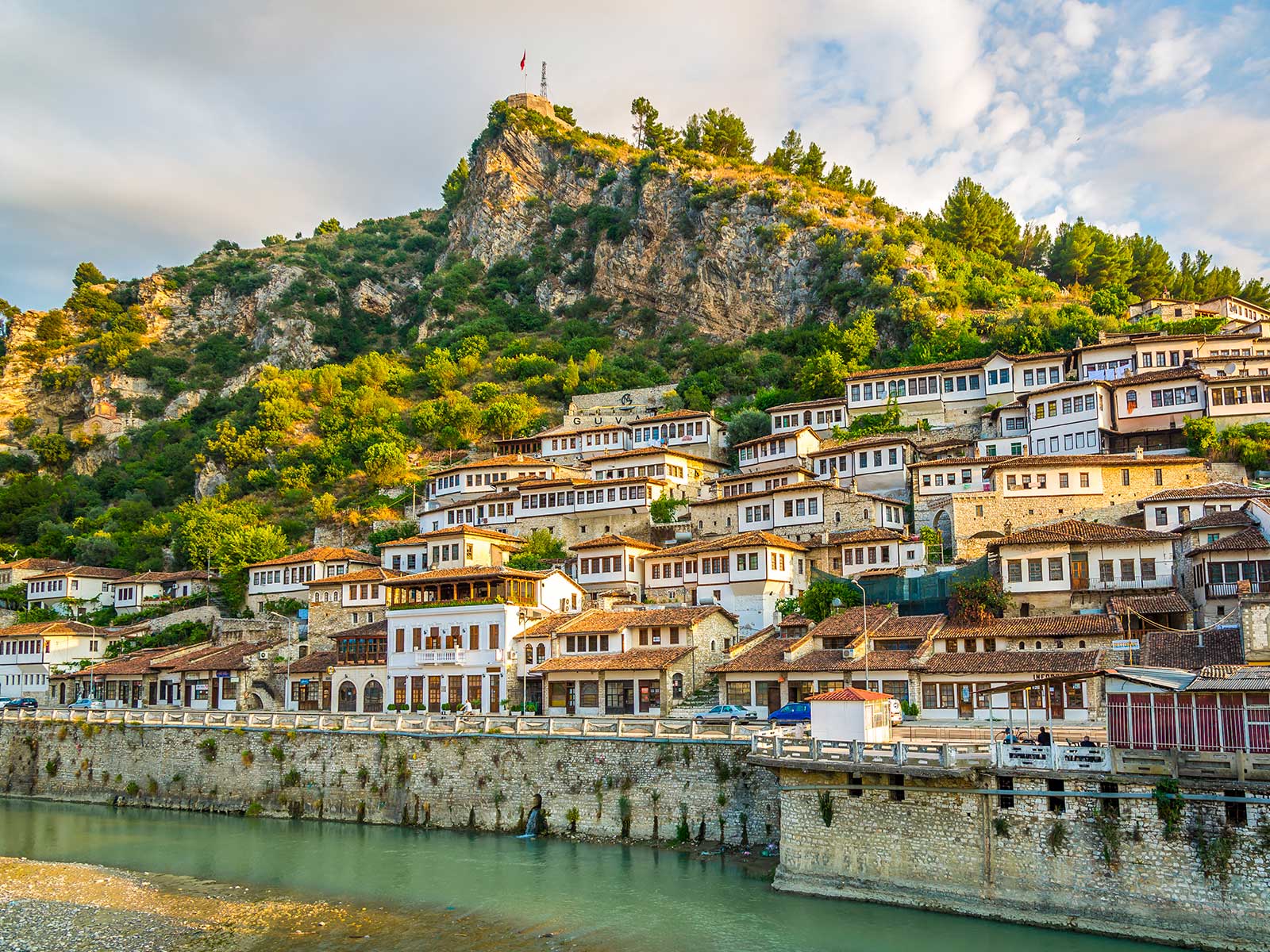
Travelers will encounter beautiful mosques, Orthodox churches, and Catholic cathedrals often coexisting peacefully, sometimes even on the same street, such as in the Historic Center of Berat or Gjirokaster Castle's historic bazaar area. Always be respectful when visiting these sites, adhering to dress codes and maintaining a quiet demeanor.
The Centrality of Family
Family is the bedrock of Albanian society. Extended families often live close to one another, and respect for parents and elders is paramount. Children are cherished and often included in social gatherings. When interacting with Albanians, understanding this strong family bond can help you appreciate their values and priorities.
Practical Tips for Travelers
Beyond the cultural nuances, a few practical tips can enhance your Albanian adventure:
- Language Barrier:While many younger people and those in tourist areas speak English, especially in places like Tirana or near popular attractions like the Blue Eye, it's not universally spoken. Having a translation app or a phrasebook is highly recommended.
- "No" Can Mean "Maybe":Sometimes, a polite "no" (especially regarding services or directions) might stem from a desire not to disappoint or an inability to help immediately. Persistence, coupled with politeness, can sometimes yield results.
- Punctuality:While Albanians appreciate punctuality, especially for formal appointments, social gatherings can be more flexible. Don't be offended if someone is a little late for a casual meet-up.
- Tipping:Tipping is not strictly mandatory but is appreciated for good service in restaurants, cafes, and for tour guides. Rounding up the bill or leaving 5-10% is a good guideline.
- Safety:Albania is generally a safe country for tourists. Use common sense, be aware of your surroundings, and safeguard your belongings, just as you would in any unfamiliar place.
Embracing the Albanian Experience
Albania offers a truly unique travel experience, blending ancient history found at sites like Butrint National Park, stunning natural beauty from Shkoder Lake to Porto Palermo, and a vibrant contemporary culture. By understanding and respecting its deep-rooted traditions and social etiquette, you'll not only navigate your journey more smoothly but also unlock richer, more authentic interactions with the incredibly welcoming Albanian people. Prepare to be charmed by their warmth and generosity – a testament to the enduring spirit of Besa.