
Navigating Malawi: A Comprehensive Guide to Local Transportation
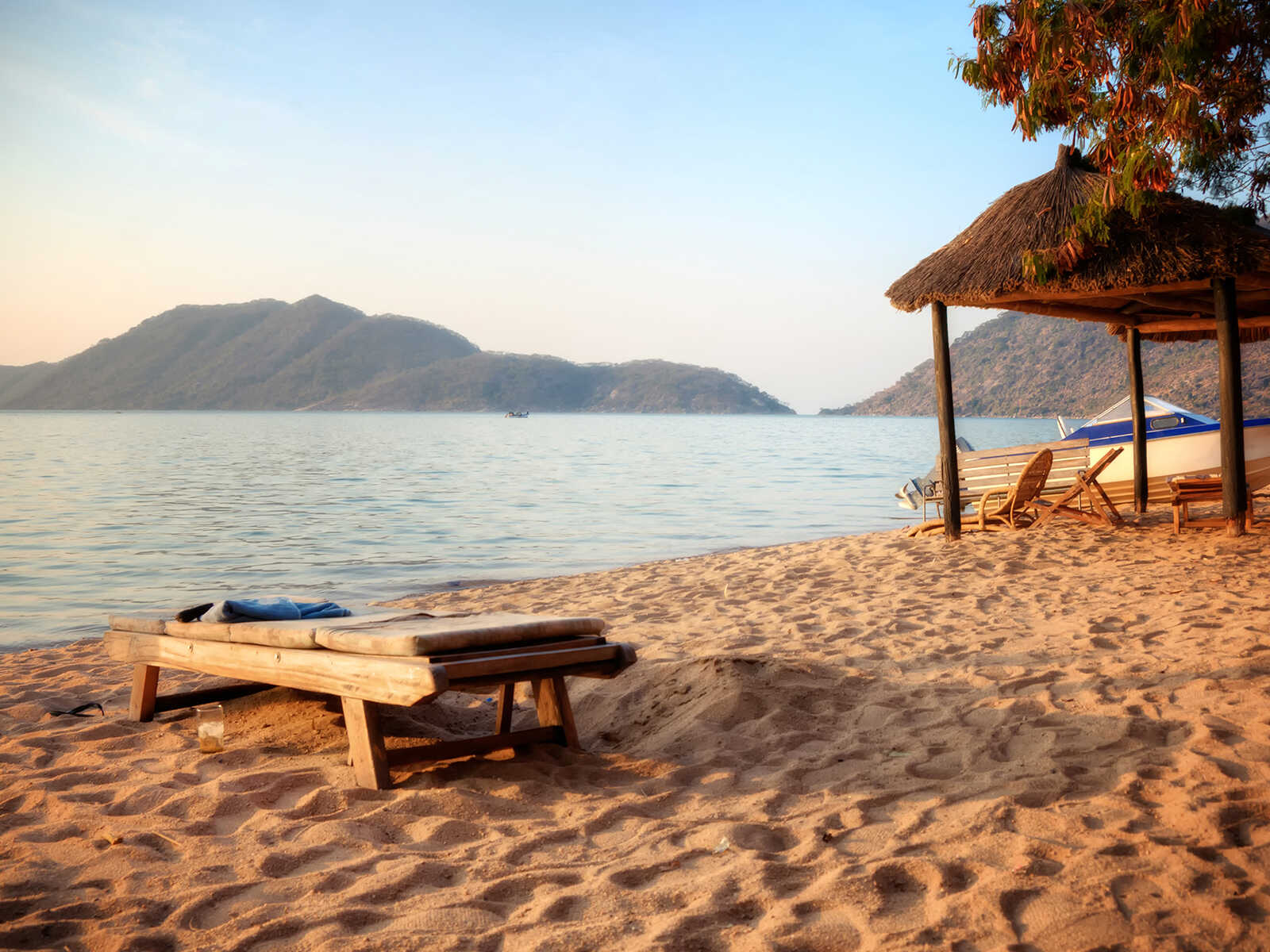
Malawi, the 'Warm Heart of Africa,' offers a tapestry of vibrant landscapes and welcoming communities. Exploring this beautiful country means embracing its diverse transportation options, each offering a unique glimpse into local life and the stunning scenery that surrounds you. From bustling city streets to tranquil lake shores, understanding how to get around is key to unlocking an unforgettable Malawian adventure.
Getting Around the Warm Heart of Africa
Malawi's transportation network is as varied as its geography. While not always the fastest, journeys here are often rich with cultural experiences, connecting you directly with the pulse of local life. Whether you're traversing the length of the country or simply crossing a town, a range of options awaits, each with its own charm and challenges.
Long-Distance Travel
Buses (Coaches & Minibuses)
For inter-city travel, buses are the most common and often the most economical choice. Larger coach services offer more comfort and adhere to relatively fixed schedules, connecting major cities like Blantyre, Lilongwe, and Mzuzu. These are a good option for longer hauls, though booking in advance is advisable, especially during peak seasons.
The true workhorse of Malawian public transport, however, is theminibus, locally known as amatola. These ubiquitous vehicles ply nearly every route imaginable, from urban commutes to connecting remote villages. Matolas are famous for their flexibility – they depart when full, which can mean anything from a few minutes to an hour or more. Expect them to be crowded, often with luggage, produce, and even livestock sharing the space. While they offer an authentic, immersive experience, be prepared for a lively journey.
Trains
Malawi's railway network is limited, primarily serving cargo transport. Passenger services are infrequent and much slower than road travel, making them less practical for most tourists seeking to cover significant distances. However, for the adventurous traveler seeking a unique, historical experience, there are occasional passenger services on routes like the Nacala Corridor, offering a truly local perspective on the landscape.
Boats
When it comes to exploring the vast and stunning Lake Malawi National Park and its surrounding areas, boats are indispensable. The most iconic vessel is the venerableMV Ilala, a passenger and cargo ferry that plies the length of Lake Malawi, stopping at numerous lakeside towns and islands from Monkey Bay in the south to Chilumba in the north. A journey on the Ilala is an unforgettable experience, offering breathtaking views, opportunities to interact with locals, and a chance to truly appreciate the scale of the lake. Stops often include popular tourist spots like Chintheche and Mangochi.
The MV Ilala, Malawi's iconic lake steamer, offers not just transportation but a multi-day journey through the heart of Lake Malawi, stopping at various lakeside communities. It's an unforgettable cultural experience in itself.
For shorter distances, smaller motorboats, speedboats, and traditional dugout canoes are available for hire, particularly in popular tourist areas. Always ensure any private boat you hire has adequate safety equipment.
Urban and Shorter Journeys
Taxis
In larger towns and cities like Lilongwe, Blantyre, and Mzuzu, car taxis are readily available. They are generally reliable but do not use meters, so it's crucial tonegotiate and agree on the farebefore starting your journey to avoid misunderstandings. Taxis can be found at designated ranks or hailed on the street.
Always negotiate your fare with taxi driversbeforeyou start your journey to avoid misunderstandings upon arrival. Trust your instincts, especially when traveling at night.
Bicycle Taxis (Mishikishi)
For short distances within towns or villages, bicycle taxis, known asmishikishi, are a common and affordable option. They are an eco-friendly way to get around and offer a close-up view of local life, often weaving through smaller streets inaccessible to cars.
Motorbike Taxis (Bodaboda)
Similar to bicycle taxis but covering slightly longer distances and with more speed, motorbike taxis (bodabodas) are prevalent, especially in smaller towns and rural areas. While convenient, safety can be a concern as helmets are not always provided or worn by passengers. Exercise caution and consider your personal comfort level.
Walking
Often, the best way to explore a town or village is on foot. Malawians are generally friendly and welcoming, and walking allows you to interact more closely with communities, discover hidden gems, and truly soak in the atmosphere. Always be mindful of your surroundings, especially after dark.
Self-Drive and Rentals
Car Rental
Renting a car offers the ultimate flexibility, allowing you to explore Malawi at your own pace and reach more remote destinations such as Nyika National Park,Mulanje Massif, or Zomba Plateau. A4x4 vehicleis highly recommended, especially if you plan to venture off main roads, visit national parks like Liwonde National Park or Majete Wildlife Reserve, or travel during the rainy season when dirt roads can become challenging. An International Driving Permit is usually required.
Fuel and Road Conditions
Fuel stations are available in major towns, but their frequency decreases in rural areas. It's wise to fill up whenever possible and consider carrying extra fuel if you're heading to very remote locations or specific sites like the Malape Pillars near Dedza. Road conditions vary significantly: some main arteries are well-paved, while others are riddled with potholes or are entirely dirt tracks. Night driving is generally discouraged due to poor lighting, unmarked obstacles, and pedestrians/cyclists on the roads.
Specialized Transportation
Safari Vehicles and Park Transfers
When visiting Malawi's incredible national parks and wildlife reserves, specialized safari vehicles are essential. Most lodges and tour operators provide game drives and transfers within the parks, often included in package deals. These vehicles are designed for rough terrain and offer elevated views for optimal wildlife spotting.
Air Charters
For those with a higher budget or limited time, air charters offer a quick and efficient way to reach remote lodges or national parks, bypassing long and potentially arduous road journeys. Several companies offer charter flights between major cities and airstrips near popular tourist destinations.
Tips for Travelers
To ensure a smooth and enjoyable travel experience in Malawi, consider these practical tips:
- Embrace Flexibility:Things often run on "Malawi Time." Delays are common, so build extra time into your itinerary and be prepared for the unexpected.
- Safety First:Keep valuables out of sight, especially on crowded transport. Avoid traveling alone at night, particularly in unfamiliar areas.
- Pack Light and Smart:Smaller, soft-sided bags are easier to manage on crowded minibuses and boats.
- Stay Hydrated:Carry water, especially on longer journeys.
- Learn a Few Local Phrases:Simple greetings in Chichewa (e.g., "Muli bwanji?" - How are you?) can go a long way in fostering positive interactions.
- Be Respectful:Always ask permission before taking photos of people. Dress modestly, especially in rural areas.
Conclusion
Navigating Malawi is an adventure in itself, a journey that offers incredible insights into its culture and stunning natural beauty. From the bustling energy of a matola to the serene passage on the MV Ilala, each mode of transport adds a layer to your understanding of this captivating nation. While it may require a dose of patience and an open mind, traversing Malawi is an integral part of the experience, connecting you deeply with its landscapes and its people, the true 'Warm Heart of Africa.'