
Is Malawi Safe for Tourists? Essential Safety Tips and Advice
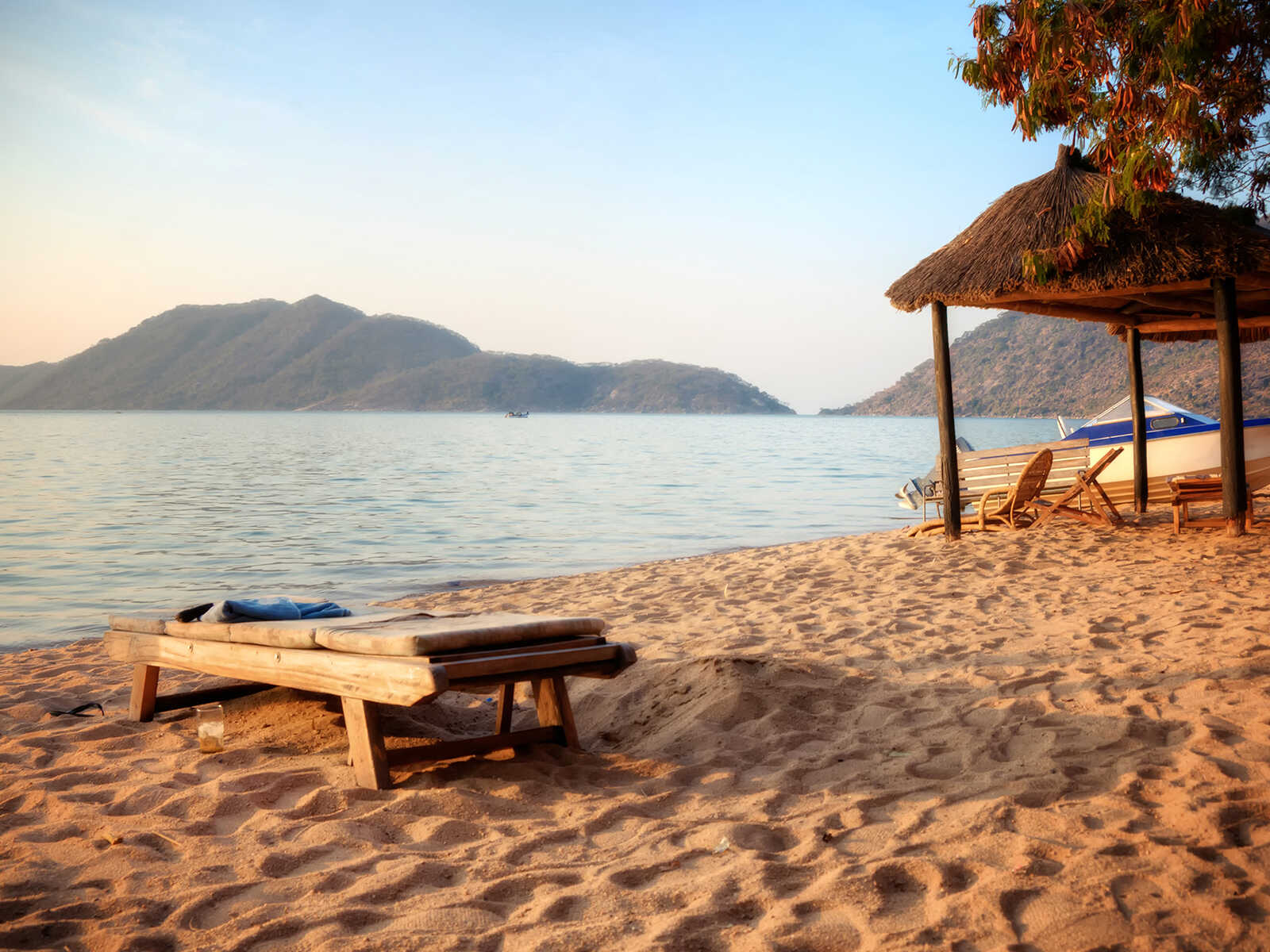
Malawi, often called the "Warm Heart of Africa," is renowned for its incredibly friendly people, stunning landscapes, and the shimmering expanse of Lake Malawi. While generally considered a safe and welcoming destination, like any international travel, understanding potential risks and taking appropriate precautions is key to an enjoyable and worry-free experience.
This comprehensive guide will delve into the safety aspects of traveling to Malawi, offering practical advice and essential tips to help you navigate this beautiful country confidently.
Malawi's General Safety Landscape
Malawi enjoys a reputation for being one of Africa's safest and most peaceful nations. The Malawian people are known for their hospitality and genuine warmth towards visitors, often eager to share their culture and assist tourists. Violent crime against tourists is rare, but petty crime, such as pickpocketing and bag snatching, can occur, particularly in busier urban areas and markets.
Fun Fact:Malawi is landlocked but boasts the third-largest lake in Africa, Lake Malawi, which is so vast it has its own waves and sandy beaches, giving it the feel of an ocean.
Common Safety Concerns and How to Mitigate Them
Petty Theft and Pickpocketing
As with any travel destination, petty theft is the most common concern. It tends to occur in crowded places like markets, bus stations, and sometimes busy streets in cities like Lilongwe and Blantyre. Tourists, especially those appearing affluent, can be targets.
- Be Discreet:Avoid openly displaying valuables such as expensive cameras, phones, and jewelry.
- Secure Belongings:Use a cross-body bag or money belt. Keep important documents and large sums of cash in a secure place at your accommodation.
- Situational Awareness:Be particularly vigilant in bustling areas such as the markets in Dedza or Mangochi.
- ATM Use:Use ATMs during daylight hours, preferably inside banks or well-lit areas, and be aware of your surroundings.
Road Safety
Road conditions in Malawi can vary significantly. Main routes are generally paved but may have potholes. Secondary roads, especially in rural areas, can be unpaved, uneven, and challenging, particularly during the rainy season.
- Night Driving:Avoid driving after dark if possible. Roads are poorly lit, and hazards like pedestrians, cyclists, and animals are common and difficult to see.
- Public Transport:"Matolas" (minibuses) are the primary form of public transport. While cheap, they are often overcrowded and driven at high speeds. For longer journeys or added comfort, consider private transfers or reputable bus companies.
- Self-Driving:If renting a car, opt for a 4x4, especially if planning to visit national parks like Nyika National Park or remote areas. Ensure you have comprehensive insurance and a reliable GPS.
Water Safety (Lake Malawi)
Lake Malawi is a highlight for many visitors, offering swimming, snorkeling, and boat trips around areas like Lake Malawi National Park and Chintheche. However, some precautions are necessary.
- Bilharzia (Schistosomiasis):This parasitic infection can be contracted by swimming in stagnant or slow-moving freshwater. While the risk in the main body of Lake Malawi is generally considered low, especially in areas with good water circulation, it's wise to consult local advice. Post-exposure treatment is available and highly effective.
- Hippos and Crocodiles:These animals are present in certain parts of the lake, particularly near river mouths and in protected areas such as Liwonde National Park. Always adhere to park regulations and guides' instructions when near water in these regions.
- Boating:Ensure any boat trips you take are with reputable operators, especially on the lake. Check that life jackets are available and in good condition.
Health Concerns
Health considerations are a significant part of safe travel in Malawi.
- Malaria:Malawi is a malaria-risk area. Consult your doctor about anti-malarial medication. Use insect repellent (DEET-based), sleep under mosquito nets, and wear long sleeves and trousers at dusk and dawn.
- Water and Food Hygiene:Drink only bottled or purified water. Avoid ice in drinks unless you're sure it's made from safe water. Eat at reputable establishments and ensure food is thoroughly cooked.
- Sun Protection:The African sun is strong. Use high-SPF sunscreen, wear a hat, and seek shade during peak hours.
- Medical Facilities:Medical facilities, especially outside of major cities, can be limited. Ensure you have comprehensive travel insurance that covers medical emergencies and evacuation. Carry a basic first-aid kit.
Wildlife Encounters
Malawi offers incredible wildlife experiences in its national parks and reserves, such as Majete Wildlife Reserve,Nyika National Park, and Liwonde National Park.
- Guided Tours:Always adhere to the instructions of your guides and park rangers. They are experts in wildlife behavior and local conditions.
- Maintain Distance:Never approach wild animals, even if they appear docile.
- Camping Safety:If camping in unfenced areas, be aware of your surroundings, secure food properly, and listen for nocturnal animal sounds.
Political Stability
Malawi is generally politically stable, with a democratic government. However, like any country, occasional demonstrations or protests can occur, particularly around election times or in response to specific government policies. These are almost always peaceful.
- Monitor Local News:Stay informed about local developments.
- Avoid Gatherings:Steer clear of any political rallies or demonstrations, even if they appear peaceful.
Essential Safety Tips for Tourists in Malawi
Before You Go
- Travel Insurance:This is non-negotiable. Ensure it covers medical emergencies, evacuations, and theft.
- Vaccinations and Medical Advice:Consult your doctor well in advance about recommended vaccinations (e.g., Yellow Fever, Hepatitis A/B, Typhoid) and malaria prophylaxis.
- Visa Requirements:Check visa requirements for your nationality.
- Research Destinations:If planning activities like hiking the Mulanje Massif or exploring the Zomba Plateau, research reputable guides and safe routes.
While You're There
- Respect Local Customs:Malawians are generally conservative. Dress modestly, especially when visiting villages or religious sites. Always ask for permission before taking photos of people.
- Money Management:Carry a mix of local currency (Malawian Kwacha) and a small amount of USD for emergencies. Inform your bank of your travel plans to avoid card issues.
- Communication:Purchase a local SIM card upon arrival for easy communication. Keep emergency numbers (police, embassy, tour operator) handy.
- Trust Your Instincts:If a situation feels unsafe, remove yourself from it.
- Register with Your Embassy/Consulate:This can be invaluable in an emergency.
- Explore with Care:When visiting unique sites like the Malape Pillars, consider going with a local guide or reputable tour operator.
Nighttime Safety
- Avoid Walking Alone:Especially in urban areas or unlit paths.
- Reputable Transport:Use trusted taxis or pre-arranged transport after dark.
Why Malawi is Worth the Trip (Despite Precautions)
Despite the need for standard travel precautions, Malawi remains an exceptionally rewarding destination. Its friendly population, diverse landscapes, and incredible opportunities for cultural immersion and wildlife viewing make it a truly unique African experience. The warmth of its people is legendary, and many visitors leave with profound memories of genuine connections made.
By being prepared, staying aware, and respecting local customs, you can ensure your trip to the Warm Heart of Africa is not only safe but also unforgettable.
Malawi offers a chance to disconnect from the hustle and bustle, to witness breathtaking natural beauty, and to connect with a culture that values hospitality above all else. With sensible planning and adherence to these safety tips, you are well-equipped to enjoy a safe and enriching adventure in this beautiful country.