
Best Time to Visit Madeira: A Seasonal Guide
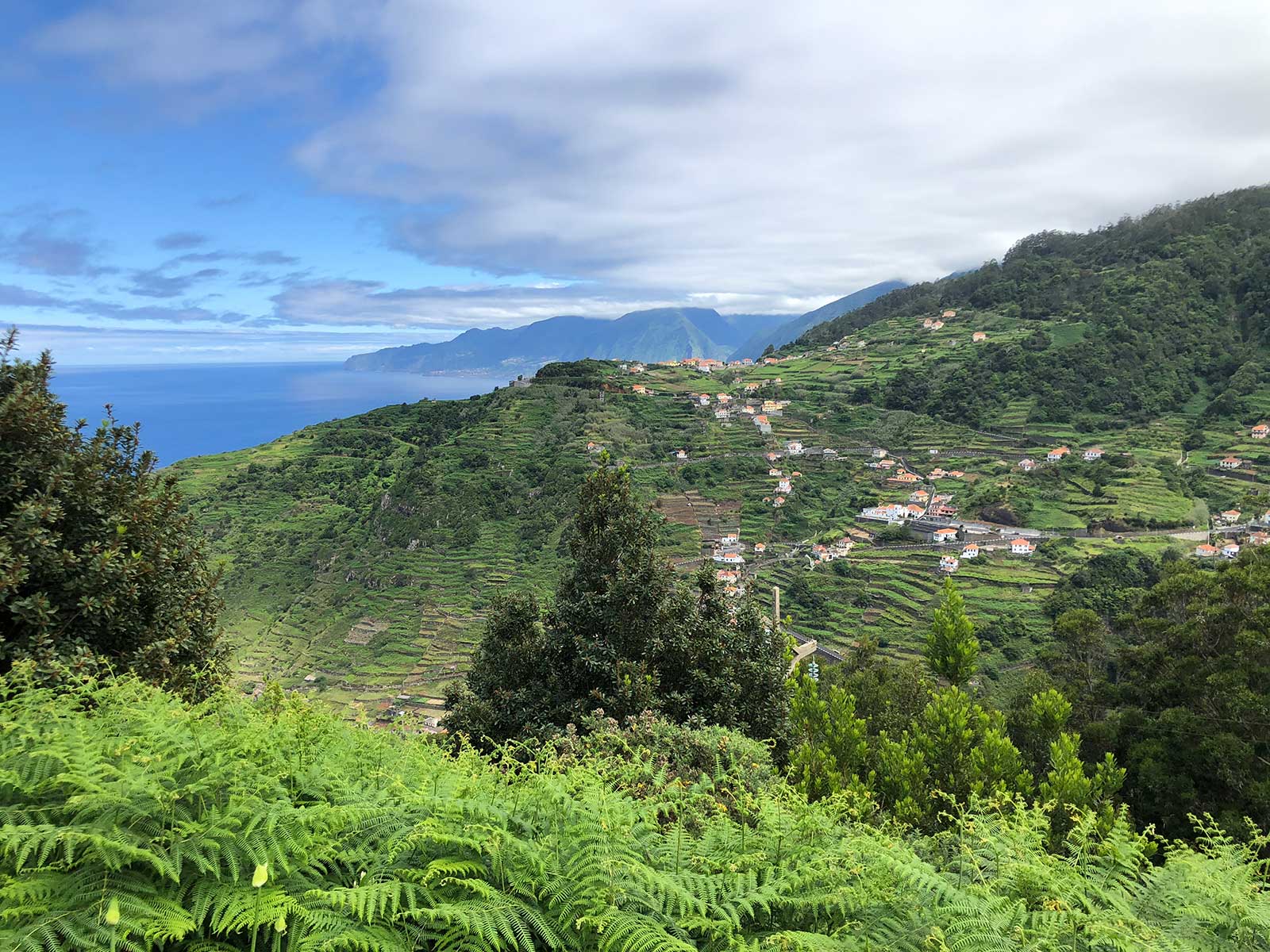
Madeira, the 'Pearl of the Atlantic,' beckons travelers with its dramatic landscapes, lush gardens, and year-round mild climate. Deciding the best time to visit this enchanting Portuguese archipelago largely depends on your interests, whether you're seeking sun-drenched hikes, vibrant festivals, or tranquil relaxation.
Often dubbed the "Island of Eternal Spring," Madeira truly lives up to its name. Its subtropical climate ensures pleasant temperatures throughout the year, rarely dropping below 15°C (59°F) or soaring above 26°C (79°F). However, each season offers distinct advantages and unique experiences, from blooming flowers to exhilarating ocean adventures.
Madeira's Seasons: What to Expect
Spring (March – May): The Island in Bloom
Spring is arguably one of the most beautiful times to visit Madeira. The island bursts into a kaleidoscope of colors as flowers bloom profusely, making it a paradise for nature lovers and photographers.
Weather:
- Temperatures:Mild and comfortable, averaging 17-22°C (63-72°F).
- Rainfall:Generally low, though occasional showers can occur, keeping the landscape verdant.
- Sunshine:Abundant, with long, pleasant days.
Activities & Highlights:
- Flower Festival (Festa da Flor):Usually held in April or May, this spectacular event transforms Funchal with vibrant floral carpets and parades.
- Hiking:Ideal conditions for exploring the island's famous Levada Walks, such as the tranquil Levada dos Balcões or the more challenging routes to 25 Fontes Falls and Risco Waterfall.
- Garden Exploration:The Jardim Botânico da Madeira and other gardens are at their peak.
- Whale and Dolphin Watching:Tours begin to pick up, offering good chances to spot marine life.
Pros:
- Gorgeous floral displays and lush landscapes.
- Pleasant temperatures for outdoor activities without excessive heat.
- Fewer crowds than peak summer, especially in early spring.
Cons:
- Can still be a bit cooler or wetter in the mountains.
Summer (June – August): Sun, Sea, and Festivities
Summer brings the warmest and driest weather, making it perfect for beach lovers, water sports enthusiasts, and those looking to soak up the sun.
Weather:
- Temperatures:Warm and sunny, averaging 22-26°C (72-79°F).
- Rainfall:Very low, making it the driest season.
- Sunshine:Maximum sunshine hours.
Activities & Highlights:
- Beach Days:Enjoy the natural volcanic pools of Porto Moniz or the charming pebble beaches of Jardim do Mar.
- Water Sports:Excellent for swimming, snorkeling, diving, and boat trips.
- Festivals:Many local festivals and religious celebrations take place, including the Atlantic Festival in June with fireworks displays.
- Outdoor Exploration:Visit iconic viewpoints like the Cabo Girão Skywalk or the dramatic Ponta de São Lourenço for breathtaking coastal views.
Pros:
- Warmest weather, ideal for sunbathing and swimming.
- Lively atmosphere with numerous cultural events.
- Perfect for exploring coastal towns like Câmara de Lobos.
Cons:
- Peak tourist season, meaning larger crowds and potentially higher accommodation demand.
- Can be too hot for strenuous hiking, especially at lower altitudes.
Autumn (September – November): Mildness and Harvests
Autumn offers a delightful continuation of warm weather, gradually cooling as the season progresses. It's a fantastic time for those who prefer milder conditions and fewer crowds.
Weather:
- Temperatures:Mild, averaging 20-24°C (68-75°F) in early autumn, cooling to 17-20°C (63-68°F) by November.
- Rainfall:Generally low in September, increasing slightly in October and November.
- Sunshine:Plenty of sunshine, gradually decreasing towards winter.
Activities & Highlights:
- Wine Festival:The Madeira Wine Festival in late August/early September celebrates the island's rich winemaking tradition.
- Hiking:Excellent conditions for Levada Walks and mountain treks to Pico do Arieiro and Pico Ruivo, with comfortable temperatures.
- Coastal Exploration:Enjoy the scenic Miradouro Garganta Funda or the historic Ponta do Pargo Lighthouse with fewer visitors.
Pros:
- Pleasant temperatures for all outdoor activities.
- Fewer tourists than summer, leading to a more relaxed experience.
- Opportunity to experience local harvest festivals.
Cons:
- Increased chance of rain in late autumn.
Winter (December – February): Mild Winters and Festive Cheer
Madeira's winter is far from harsh, offering a mild escape from colder European climates. While it is the wettest season, sunny days are still common, and the festive period is truly magical.
Weather:
- Temperatures:Mild, averaging 16-19°C (61-66°F).
- Rainfall:Highest rainfall, though often in short bursts, allowing for plenty of clear spells.
- Sunshine:Good amount of sunshine, especially in coastal areas.
Activities & Highlights:
- Christmas and New Year's Eve:Funchal comes alive with incredible illuminations. The New Year's Eve fireworks display is world-renowned and a spectacular sight.
- Hiking:Still very possible on clear days. The air can be crisp and invigorating for a trek to Pico do Arieiro for stunning sunrise views above the clouds.
- Whale and Dolphin Watching:Excellent opportunities, with fewer boats on the water.
- Cultural Exploration:Visit traditional villages like Santana with its unique triangular houses, or the historic Fortress of Faial near Faial.
Expert Tip:While winter is the wettest season, Madeira's weather is highly localized. It could be raining in Funchal but sunny and dry on the west coast or in the mountains. Always check local forecasts for different regions!
Pros:
- Mild temperatures, a warm escape from northern winters.
- Spectacular Christmas and New Year celebrations.
- Fewer crowds, except during the festive peak.
Cons:
Madeira's Microclimates: A Key Consideration
One of Madeira's most fascinating aspects is its diverse microclimates. Due to its mountainous terrain and prevailing winds, weather can vary dramatically across the island. The south coast (Funchal,Câmara de Lobos) is generally warmer and drier, while the north coast (Porto Moniz,Santana) is often wetter and lusher. The central mountains (Pico do Arieiro,Pico Ruivo) can experience cooler temperatures, fog, and rain, even when the coast is sunny. Always pack layers and be prepared for changing conditions, no matter the season.
Best Time for Specific Activities
- Hiking & Levada Walks:Spring (March-May)andAutumn (September-November)offer the most comfortable temperatures and fewer crowds. Winter can also be good on clear days.
- Gardens & Flowers:Spring (March-May), especially around the Flower Festival, is unparalleled.
- Beaches & Swimming:Summer (June-August)is ideal for warm water and plenty of sunshine.
- Whale & Dolphin Watching:Good year-round, butSpringandAutumnoften have excellent visibility and a high chance of sightings.
- Festivals & Events:Summerfor Atlantic Festival,Autumnfor Wine Festival, andWinter (December)for the renowned New Year's Eve fireworks.
- Photography:Springfor lush landscapes and vibrant flowers;Winterfor dramatic cloud inversions from high peaks like Pico do Arieiro.
Conclusion
Madeira truly is a year-round destination, each season offering a unique charm. Whether you dream of vibrant floral displays in spring, sun-soaked beaches in summer, serene hikes in autumn, or festive cheer in winter, Madeira has something special in store. Consider your priorities – be it weather, activities, or crowds – and you'll find your perfect moment to discover the 'Island of Eternal Spring.'