
Where to Stay in Madagascar: Best Regions, Hotels & Eco-Lodges
Madagascar, a land of unparalleled biodiversity and breathtaking landscapes, offers a spectrum of accommodation options to suit every traveler's dream. From luxurious island retreats to immersive eco-lodges nestled deep within rainforests, choosing where to stay is an integral part of planning your unforgettable Malagasy adventure.
Discovering Madagascar: Regions and Their Stays
Madagascar's vastness means that each region presents a unique set of experiences and corresponding lodging styles. Understanding the geographical and ecological diversity will help you pinpoint the perfect base for your explorations.
Antananarivo & The Central Highlands: Cultural Hub
The bustling capital, Antananarivo (often called Tana), serves as the primary entry point for most international visitors. While not a wildlife destination, it's a vibrant cultural hub, offering a glimpse into Malagasy history and daily life.
- Why Stay Here:Convenient for arrival and departure, exploring historical sites, and as a base for onward journeys.
- Accommodation Types:You'll find a range from charming boutique hotels housed in colonial buildings to modern international chains and budget-friendly guesthouses.
- Highlights:Explore the Rova of Antananarivo, wander through bustling markets, and take a day trip to the historic royal city of Ambohimanga.
The North & Northwest: Beaches, Islands & Marine Wonders
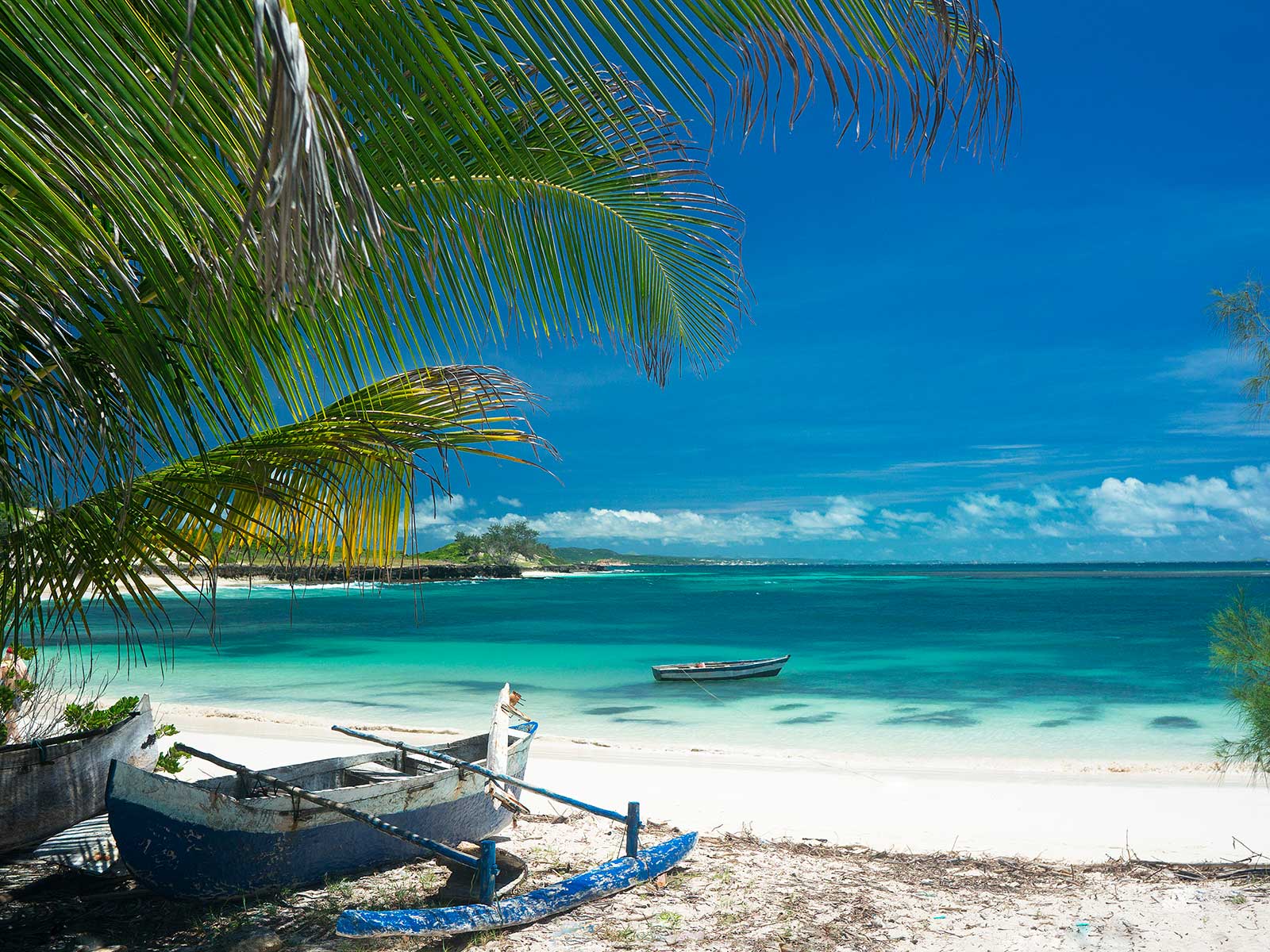
This region is synonymous with idyllic beaches, turquoise waters, and vibrant marine life, making it a popular choice for relaxation and water-based activities.
- Why Stay Here:Perfect for beach lovers, divers, snorkelers, and those seeking luxurious island escapes.
- Accommodation Types:Dominated by stunning beach resorts, private island bungalows, and charming guesthouses.
- Highlights:
- Nosy Be:Madagascar's most developed tourist island, offering a wide array of hotels, restaurants, and activities. From here, you can easily access smaller islands.
- Tsarabanjina:An exclusive private island resort offering ultimate luxury and seclusion.
- Nosy Sakatia:Known as Orchid Island, a fantastic spot for snorkeling with sea turtles and enjoying a quieter pace.
- Ankarafantsika Nature Reserve:A bit further inland, this reserve offers a chance to see lemurs and dry deciduous forest species, with basic lodge options nearby.
The East Coast: Rainforests, Lemurs & Biodiversity Hotspots
The eastern seaboard is characterized by lush rainforests, home to an incredible array of unique wildlife, most famously lemurs.
- Why Stay Here:Essential for wildlife enthusiasts, especially those keen on spotting various lemur species in their natural habitat.
- Accommodation Types:Predominantly eco-lodges and guesthouses situated near national parks, offering rustic charm and immersion in nature.
- Highlights:
- Andasibe-Mantadia National Park:One of Madagascar's most accessible rainforest parks, famous for its Indri lemurs. Numerous lodges are available just outside the park entrance.
- Masoala National Park:A more remote and challenging destination, offering deep rainforest experiences and opportunities for multi-day treks, often requiring stays in basic bungalows or camping.
Traveler Tip:When staying near national parks, especially in the east, choose lodges that offer guided night walks. This is often the best chance to spot nocturnal lemurs and other unique creatures!
The West Coast: Baobabs, Tsingy & Unique Landscapes
The west is famous for its iconic baobab trees and dramatic limestone karst formations known as Tsingy.
- Why Stay Here:For iconic photographic opportunities, adventurous treks, and witnessing unique geological wonders.
- Accommodation Types:Options range from simple hotels in towns like Morondava to more rustic eco-lodges and tented camps near the national parks.
- Highlights:
- Avenue of the Baobabs:Best experienced at sunrise or sunset. Morondava offers various hotels, from basic to comfortable, serving as a gateway.
- Tsingy de Bemaraha:A UNESCO World Heritage site known for its razor-sharp limestone pinnacles. Accommodation near the park entrance (Bekopaka) is typically simpler, including bungalows and basic lodges, catering to adventure travelers.
The South: Desert Landscapes & Spiny Forests
The arid south presents a stark contrast to the east, with spiny forests, unique flora, and a strong cultural identity.
- Why Stay Here:For unique desert landscapes, distinctive flora like Didieraceae trees, and cultural encounters with local tribes.
- Accommodation Types:Mostly simple guesthouses and hotels in towns like Ifaty, Tulear, or Isalo. Eco-lodges are also emerging.
- Highlights:Isalo National Park offers dramatic sandstone formations and natural pools, with several comfortable hotels and lodges nearby. The coastal areas around Ifaty are good for beach relaxation and reef exploration.
Types of Accommodation in Madagascar
Madagascar offers a diverse range of lodging experiences, each catering to different travel styles and budgets.
Luxury Resorts & Private Island Retreats
Found primarily on Nosy Be and its satellite islands, these offer world-class service, exquisite dining, private beaches, and often include activities like diving, snorkeling, and spa treatments. They are perfect for honeymoons, special occasions, or simply indulging in comfort.
Boutique Hotels & Charming Guesthouses
These are common in larger towns like Antananarivo and throughout the country. They provide a more personal touch, often reflecting local architecture and culture. They offer a comfortable mid-range option with good amenities and a welcoming atmosphere.
Eco-Lodges & Safari Camps
Madagascar excels in eco-tourism, and many lodges are designed to blend seamlessly with their natural surroundings. Located near national parks, these often emphasize sustainability, local community involvement, and provide an immersive nature experience. Expect comfortable but often rustic accommodations, sometimes without air conditioning or constant electricity, but with unparalleled access to wildlife.
Basic Hotels & Budget Stays
For the adventurous traveler or those on a tighter budget, basic hotels and guesthouses are available in most towns. These provide essential amenities and a clean place to sleep, allowing you to allocate more of your budget to activities and excursions.
Tips for Choosing Your Stay in Madagascar
- Plan Your Itinerary First:Your choice of accommodation will heavily depend on the regions and parks you wish to visit. Map out your route before booking.
- Book in Advance:Especially during peak season (May to October) or for popular eco-lodges and luxury resorts, booking several months ahead is highly recommended.
- Consider Logistics:Some remote lodges require specific transfer arrangements, often involving 4x4 vehicles or even boats. Factor this into your planning.
- Read Reviews:Online reviews can provide valuable insights into service quality, cleanliness, and the overall experience, especially for smaller, independent establishments.
- Embrace the Malagasy Pace:While many accommodations offer excellent service, remember that infrastructure in Madagascar can be challenging. Patience and flexibility are key to an enjoyable trip.
- Sustainability Matters:Opt for lodges and hotels that demonstrate a commitment to environmental protection and local community support.
Conclusion
Madagascar's diverse landscapes and rich culture are mirrored in its accommodation options. Whether you dream of waking up to the sound of lemurs in a rainforest eco-lodge, relaxing on a pristine beach at a luxury resort, or immersing yourself in local life at a charming guesthouse, this island nation has a unique stay awaiting you. By understanding the regions and types of lodging available, you can tailor your Malagasy adventure to be as comfortable, wild, or luxurious as you desire.