
Understanding Madagascar's Ecosystems: Biodiversity Hotspots Revealed
Madagascar, the world's fourth-largest island, is a living laboratory of evolution, boasting an unparalleled collection of unique flora and fauna found nowhere else on Earth. Its diverse ecosystems, shaped by millions of years of isolation, reveal a tapestry of life that captivates scientists and travelers alike.
Why Madagascar is a Biodiversity Hotspot
Separated from the African continent over 160 million years ago and later from India around 88 million years ago, Madagascar's extended isolation has allowed its plant and animal life to evolve independently. This unique evolutionary path has resulted in an extraordinary level of endemism, meaning a vast majority of its species are found exclusively on the island.
Did you know?Over 90% of Madagascar's wildlife is endemic, making it one of the planet's most critical biodiversity hotspots. This includes all native non-flying mammals, about half of its birds, and nearly all reptiles and amphibians.
This biological distinctiveness is why Madagascar is often referred to as the "eighth continent." Its diverse landscapes, from dense rainforests to arid spiny deserts, have fostered adaptive radiation, where a single ancestral species diversifies into many new forms to fill different ecological niches.
Key Ecosystems of Madagascar
Madagascar's varied topography and climate zones have given rise to a fascinating array of ecosystems, each with its own characteristic species.
Eastern Rainforests
Stretching along the eastern coast, these lush, humid forests receive abundant rainfall. They are characterized by towering trees, dense undergrowth, and an incredible diversity of life. The rainforests are home to a multitude of lemur species, including the iconic Indri, countless chameleons, frogs, and an astonishing variety of insects and plants. Exploring areas like Masoala National Park or Andasibe-Mantadia National Park offers immersive experiences into this vibrant ecosystem.
Western Dry Deciduous Forests
In contrast to the east, the western region experiences distinct wet and dry seasons. The trees in these forests shed their leaves during the long dry period to conserve water, creating a starkly different landscape. This ecosystem is famous for its majestic baobab trees, which store water in their massive trunks, and various species of lemurs adapted to drier conditions, such as sifakas.Ankarafantsika Nature Reserve is an excellent example of a well-preserved dry deciduous forest.
Southern Spiny Forests and Thicket
The extreme arid south and southwest are dominated by the unique spiny forest, a desert-like ecosystem characterized by drought-resistant, succulent plants, many of which are thorny. The most iconic plants here belong to the endemic Didiereaceae family, forming an impenetrable thicket. This harsh environment is home to specially adapted creatures like ring-tailed lemurs and radiated tortoises.
Tsingy Karst Landscapes
Within some of the dry forest regions, particularly in the west, lie the dramatic "Tsingy" (pronounced 'sing-ee') karst formations. These are intricate labyrinths of sharp, eroded limestone pinnacles, creating a unique micro-environment. The deep crevices and caves within the Tsingy provide shelter for specialized flora and fauna, including rare lemur species. The UNESCO World Heritage site of Tsingy de Bemaraha is the most famous example of this breathtaking geological wonder.
Coastal and Marine Ecosystems
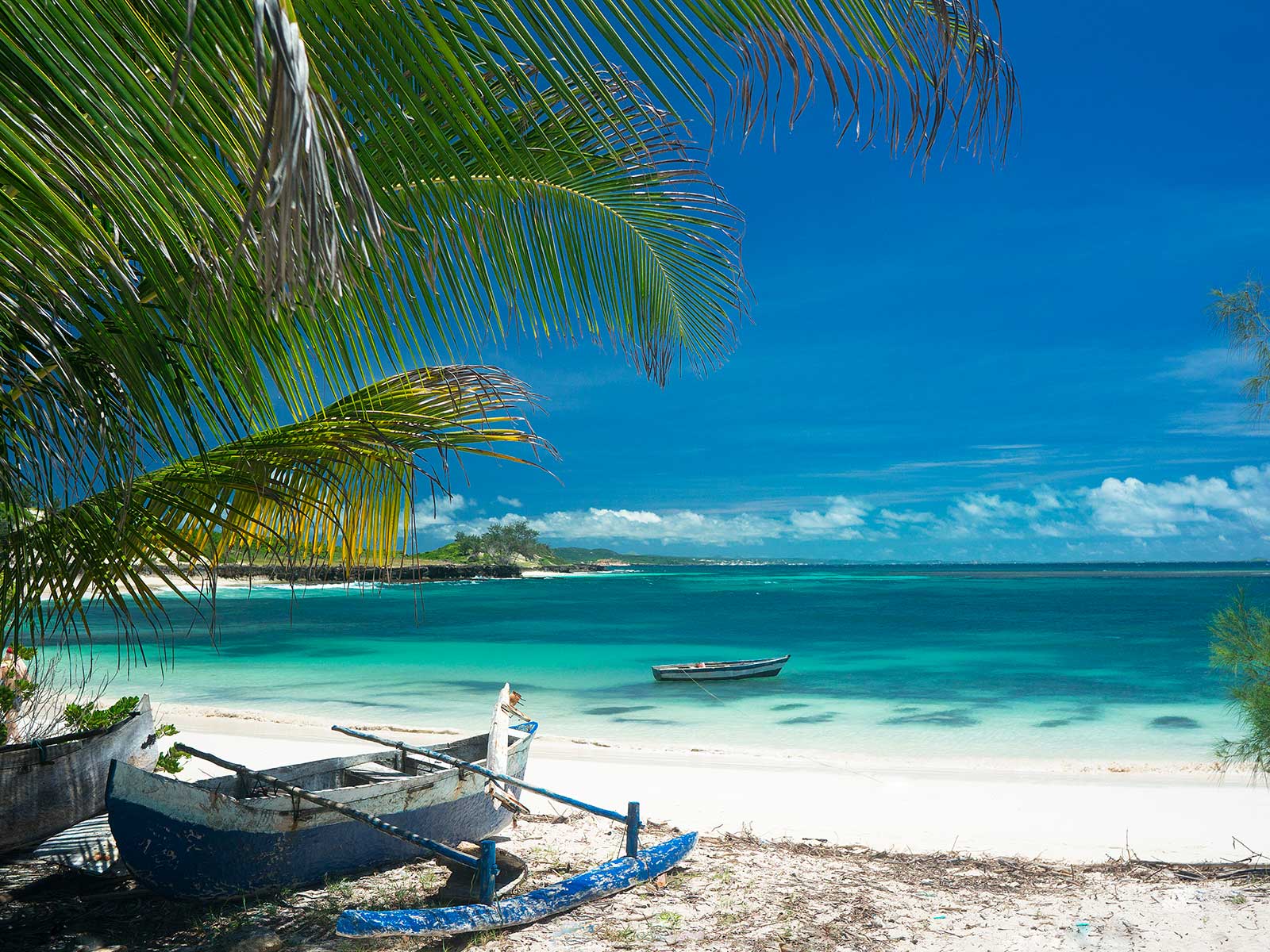
Madagascar's extensive coastline and surrounding waters are equally rich in biodiversity. Mangrove forests line many estuaries, serving as vital nurseries for marine life and protecting coastlines. Offshore, vibrant coral reefs teem with colorful fish, sea turtles, and other marine creatures. Islands like Nosy Be,Nosy Sakatia, and Tsarabanjina offer incredible opportunities to explore these pristine marine environments, from snorkeling with turtles to spotting dolphins and humpback whales during migration season.
Central Highland Plateaus
The central high plateaus, characterized by rolling hills and grasslands, have been significantly altered by human activity over centuries, primarily for agriculture and cattle grazing. While much of the original forest cover is gone, remnant forests and unique flora still persist, and the region is culturally significant.
Iconic Flora and Fauna
Madagascar's ecosystems are synonymous with its extraordinary wildlife:
- Lemurs:The undisputed stars of Madagascar, these primates have evolved into over 100 species and subspecies, ranging from the tiny mouse lemur to the large indri. Each species is wonderfully adapted to its specific habitat.
- Baobabs:Six of the world's eight baobab species are endemic to Madagascar, creating surreal landscapes, particularly along the famous Avenue of the Baobabs. These ancient trees are often called "upside-down trees" due to their distinctive appearance.
- Chameleons:Madagascar is a global hotspot for chameleons, hosting more than half of the world's species. Their incredible camouflage abilities and unique movements make them fascinating to observe.
- Fossa:Madagascar's largest carnivore, the fossa (Cryptoprocta ferox), is a cat-like mammal unique to the island. It's an apex predator that preys on lemurs and other small animals.
- Orchids:The island boasts thousands of orchid species, many of which are endemic and display stunning beauty.
Conservation Challenges and Efforts
Despite its incredible biodiversity, Madagascar faces severe conservation challenges. Habitat loss due to deforestation for agriculture, charcoal production, and logging, along with the impacts of climate change and illegal wildlife trade, threaten its unique ecosystems. However, significant efforts are underway. Numerous national parks and protected areas have been established, and many local and international organizations work with communities to promote sustainable practices and protect endangered species. Responsible tourism plays a crucial role in funding these conservation initiatives and providing alternative livelihoods for local populations.
Experiencing Madagascar's Ecosystems Responsibly
For travelers, exploring Madagascar's ecosystems is an unforgettable adventure. To ensure these natural wonders are preserved for future generations, consider these tips:
- Visit Protected Areas:Focus your visits on national parks and reserves, where tourism supports conservation efforts directly.
- Hire Local Guides:Engage certified local guides who possess invaluable knowledge of the ecosystem and local culture. This also supports the local economy.
- Respect Wildlife:Maintain a respectful distance from animals, never feed them, and avoid disturbing their natural behavior.
- Minimize Your Impact:Stick to marked trails, avoid littering, and choose eco-friendly accommodations.
- Support Local Communities:Purchase local handicrafts and support businesses that benefit the community directly.
Madagascar's ecosystems are a precious global heritage. By understanding their unique characteristics and supporting sustainable tourism, you can contribute to the ongoing efforts to protect this irreplaceable island of wonders.