
Top Madagascar Tours: Unforgettable Adventures and Wildlife Encounters
Madagascar, the world's fourth-largest island, is a realm of unparalleled biodiversity and breathtaking landscapes. Embarking on a tour here means stepping into a unique world where 80% of its wildlife is found nowhere else on Earth, promising an adventure unlike any other.
From the iconic lemurs and chameleons to the ancient baobab trees and stunning coral reefs, Madagascar offers a spectrum of experiences for every type of traveler. This guide explores the diverse tours available, helping you navigate the options for your ultimate Malagasy journey.
Discovering Madagascar's Unique Wildlife & Nature
The primary draw for many visitors to Madagascar is its extraordinary wildlife. Tours often center around national parks and reserves, offering intimate encounters with the island's most famous residents.
Lemur-Focused Expeditions
No trip to Madagascar is complete without seeing lemurs. These primates, ranging from the tiny mouse lemur to the striking Indri, are found exclusively on the island. Many tours specialize in tracking them in their natural habitats.
- Eastern Rainforests:A visit to Andasibe-Mantadia National Park is a highlight for many. Here, you can hear the haunting call of the Indri, Madagascar's largest lemur, echoing through the dense forest. Guided walks often reveal diadem sifakas, common brown lemurs, and numerous chameleons and frogs.
- Western Dry Deciduous Forests:Parks like Kirindy Mitea or Ankarafantsika Nature Reserve offer opportunities to spot different lemur species, including the fossa, Madagascar's largest carnivore.
- Southern Spiny Forests:The arid south is home to ring-tailed lemurs, known for their striking striped tails, often seen sunbathing on rocks.
Botanical Wonders: Baobabs and Unique Flora
Madagascar is also home to seven of the world's nine baobab species, with the most famous concentration found in the west.
- Avenue of the Baobabs:A must-see, particularly at sunrise or sunset, these majestic trees create an otherworldly landscape that is truly unforgettable. Many tours to the west include a stop here, often combined with other natural attractions.
- Rainforest Plants:Beyond the baobabs, Madagascar's rainforests boast an incredible array of unique plants, including orchids, medicinal plants, and carnivorous pitcher plants, best explored with an expert local guide.
Adventure and Landscape Tours
For those seeking adrenaline and dramatic scenery, Madagascar delivers with its unique geological formations and opportunities for exploration.
Tsingy De Bemaraha: A Karst Wonderland
The UNESCO World Heritage site of Tsingy de Bemaraha is a geological marvel. Its jagged limestone pinnacles, known as 'tsingy' (meaning "where one cannot walk barefoot"), offer an exhilarating adventure.
Expert Tip:Exploring the Tsingy involves climbing, traversing suspension bridges, and navigating narrow pathways. A good level of physical fitness is recommended for the full experience.
Tours to the Tsingy often involve multi-day expeditions, including canoe trips along the Manambolo River and guided hikes through both the Grand Tsingy and Petit Tsingy sections.
Hiking and Trekking Expeditions
Beyond the Tsingy, Madagascar offers numerous hiking opportunities, from gentle forest walks to multi-day treks through diverse landscapes. Isalo National Park in the south, for instance, provides stunning sandstone canyons, natural pools, and unique flora, perfect for trekkers.
Coastal Escapes and Marine Adventures
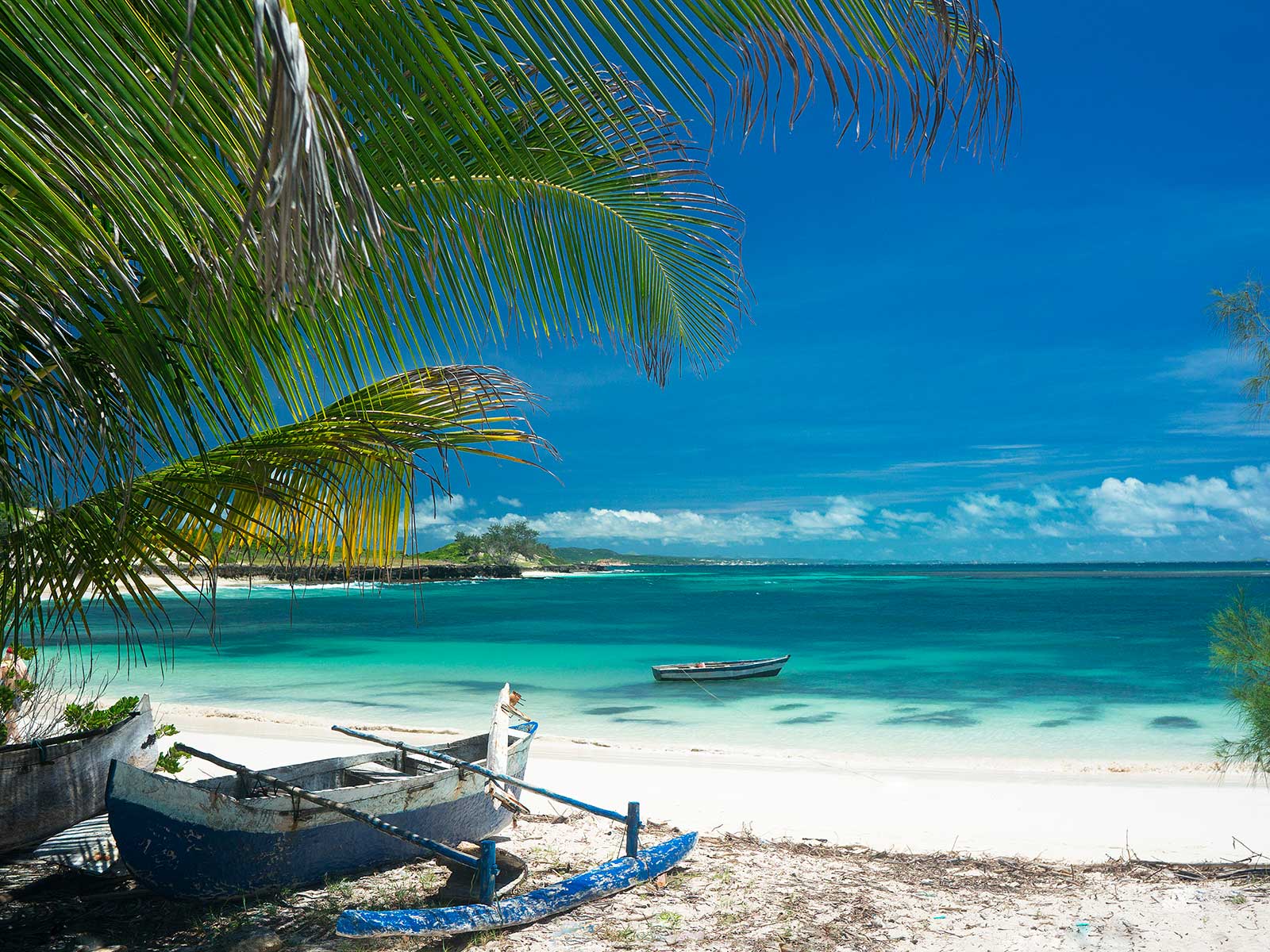
With thousands of kilometers of coastline, Madagascar is also a paradise for beach lovers and marine enthusiasts.
Island Hopping Around Nosy Be
Nosy Be, off Madagascar's northwest coast, is the country's most popular beach destination. It serves as a base for exploring surrounding islands and marine activities.
- Snorkeling and Diving:The clear waters around Nosy Be are teeming with marine life, including colorful corals, tropical fish, sea turtles, and even whale sharks during certain seasons. Excursions to marine reserves are popular.
- Nosy Sakatia:Known as Orchid Island, this smaller isle near Nosy Be offers fantastic snorkeling with green sea turtles and opportunities for quiet relaxation.
- Tsarabanjina:For a more luxurious and secluded experience, this private island north of Nosy Be offers pristine beaches and exquisite marine environments, ideal for diving and relaxation.
Remote Coastal Wilderness: Masoala
On the northeastern coast,Masoala National Park is Madagascar's largest protected area, encompassing rainforest, coastal forest, and three marine parks. Tours here offer a truly wild experience, combining rainforest trekking with snorkeling or kayaking in marine protected areas, offering a chance to spot rare species like the red-ruffed lemur.
Cultural and Historical Journeys
Beyond its natural wonders, Madagascar boasts a rich cultural heritage, influenced by its diverse ancestry from Africa, Arabia, and Southeast Asia.
- Antananarivo and the Royal Hill of Ambohimanga:The capital city, Antananarivo, offers insights into Malagasy history and daily life. A short drive away, the Royal Hill of Ambohimanga is a UNESCO World Heritage site, a fortified royal city and burial ground that was home to generations of Merina monarchs. It provides a fascinating glimpse into Madagascar's pre-colonial past.
- Local Markets and Villages:Many tours include visits to bustling local markets or traditional villages, offering opportunities to interact with local communities, learn about their customs, and discover traditional crafts.
Planning Your Unforgettable Madagascar Tour
When to Visit
The best time to visit Madagascar generally depends on what you want to see. The dry season (April to October) is ideal for wildlife viewing, hiking, and exploring the Tsingy. The wetter, warmer season (November to March) is excellent for chameleon and frog spotting, as well as seeing lemur babies, but some roads can be challenging.
Choosing a Tour Operator
Given Madagascar's infrastructure, traveling with a reputable local or international tour operator is highly recommended. They handle logistics like transportation, accommodation, and experienced local guides, ensuring a smoother and more enriching experience. Look for operators committed to sustainable tourism and conservation.
What to Pack
Essentials include light clothing, sturdy walking shoes, insect repellent, sun protection (hat, sunglasses, high-factor sunscreen), a waterproof jacket, a daypack, and a good camera with extra batteries. For wildlife viewing, binoculars are invaluable.
Health and Safety
Consult your doctor about necessary vaccinations and anti-malarial medication well before your trip. Always drink bottled or purified water. While generally safe, basic precautions against petty crime, especially in larger cities, are advisable.
Conclusion
Madagascar offers a journey of discovery, an unparalleled opportunity to connect with nature and experience a culture unlike any other. Whether you dream of tracking lemurs, scaling limestone formations, relaxing on pristine beaches, or delving into ancient history, a tour to Madagascar promises an unforgettable adventure that will leave you with a lifetime of cherished memories.