
Planning Your First Trip to Madagascar: A Comprehensive Guide
Madagascar, the world's fourth-largest island, is a realm of unparalleled biodiversity, unique landscapes, and fascinating culture. If you're dreaming of an adventure to this extraordinary destination, meticulous planning is key to unlocking its magic. This comprehensive guide will help first-time visitors navigate the essentials for an unforgettable journey.
Why Madagascar? An Island Apart
Often referred to as the "eighth continent," Madagascar's isolation for millions of years has resulted in an astonishing evolutionary tale. Over 90% of its wildlife is endemic, meaning you won't find it anywhere else on Earth. From charismatic lemurs and chameleons to ancient baobab trees and spiny forests, the island offers an immersion into a natural world unlike any other. Beyond its unique flora and fauna, Madagascar boasts stunning coastlines, vibrant coral reefs, and a rich cultural tapestry woven from Malagasy, African, Arab, and Asian influences.
Best Time to Visit
Choosing the right time to visit Madagascar significantly impacts your experience. The island has two main seasons:
- Dry Season (May to October):This is generally considered the best time for wildlife viewing, hiking, and exploring. Rainfall is minimal, temperatures are moderate, and roads are more accessible. However, it's also peak tourist season, meaning more visitors.
- Wet Season (November to April):Characterized by hot, humid weather and heavy rainfall, especially on the east coast. While some areas become inaccessible, this is the best time for birdwatching, seeing chameleons, and witnessing lush, vibrant landscapes. Cyclone season typically runs from January to March, which can cause significant disruptions.
For lemur enthusiasts, the dry season offers excellent opportunities, especially from September to November when many species have their young.
Getting There and Around
International Flights
Most international flights arrive at Ivato International Airport (TNR) in Antananarivo, the capital city. Direct flights are available from several European cities (e.g., Paris) and some African hubs. It's advisable to book well in advance, especially during the dry season.
Domestic Travel
Traveling within Madagascar can be an adventure in itself. Distances are vast, and infrastructure can be challenging.
- Internal Flights:Air Madagascar (or its subsidiary, Tsaradia) operates domestic flights connecting major cities and tourist hubs like Nosy Be, Mahajanga, and Fort Dauphin. This is the fastest way to cover long distances.
- Road Travel:The primary mode of transport for tourists. While some main roads are paved, many are unpaved and can be rough, especially after rain. Hiring a private 4x4 vehicle with an experienced local driver is highly recommended for comfort, safety, and efficiency. This also allows for flexibility and stops along the way.
- Taxi-Brousse:Shared bush taxis are the most common form of public transport for locals. They are incredibly cheap but often overcrowded, slow, and depart only when full. Not recommended for most tourists seeking comfort or a fixed schedule.
Tip:Due to potential flight delays and road conditions, always build in buffer days between connections and allow ample travel time between destinations.
Where to Go: Must-See Regions & Experiences
Madagascar offers a diverse range of experiences. Here are some top regions to consider for your first trip:
East: Rainforests, Lemurs, and Biodiversity Hotspots
The eastern rainforests are synonymous with lemurs and lush biodiversity.
- Andasibe-Mantadia National Park:Easily accessible from Antananarivo, this park is famous for its Indri lemurs, known for their haunting calls. It's a fantastic introduction to Madagascar's lemurs and chameleons.
- Masoala National Park:Located on the northeastern coast, this is Madagascar's largest protected area, encompassing rainforests, coastal forests, flooded forests, and marine parks. It's a truly wild and remote experience, offering opportunities for spotting Aye-ayes and exploring pristine marine environments.
West: Baobabs, Tsingy, and Unique Landscapes
The west is characterized by its iconic baobab trees and dramatic limestone formations.
- Avenue of the Baobabs:An iconic, unforgettable sight near Morondava, especially at sunrise or sunset. This natural wonder is a must-see for photographers and nature lovers.
- Tsingy de Bemaraha National Park:A UNESCO World Heritage site, home to dramatic limestone "forests" (tsingy) that offer challenging but rewarding hiking opportunities and unique wildlife sightings. Access requires significant travel, often by 4x4 and ferry.
- Ankarafantsika Nature Reserve:A unique transition zone between the dry west and the more humid north, known for its dry deciduous forest, lakes, and high diversity of lemurs and birds.
North: Beaches, Islands, and Marine Life
For those seeking relaxation and marine adventures, the north is ideal.
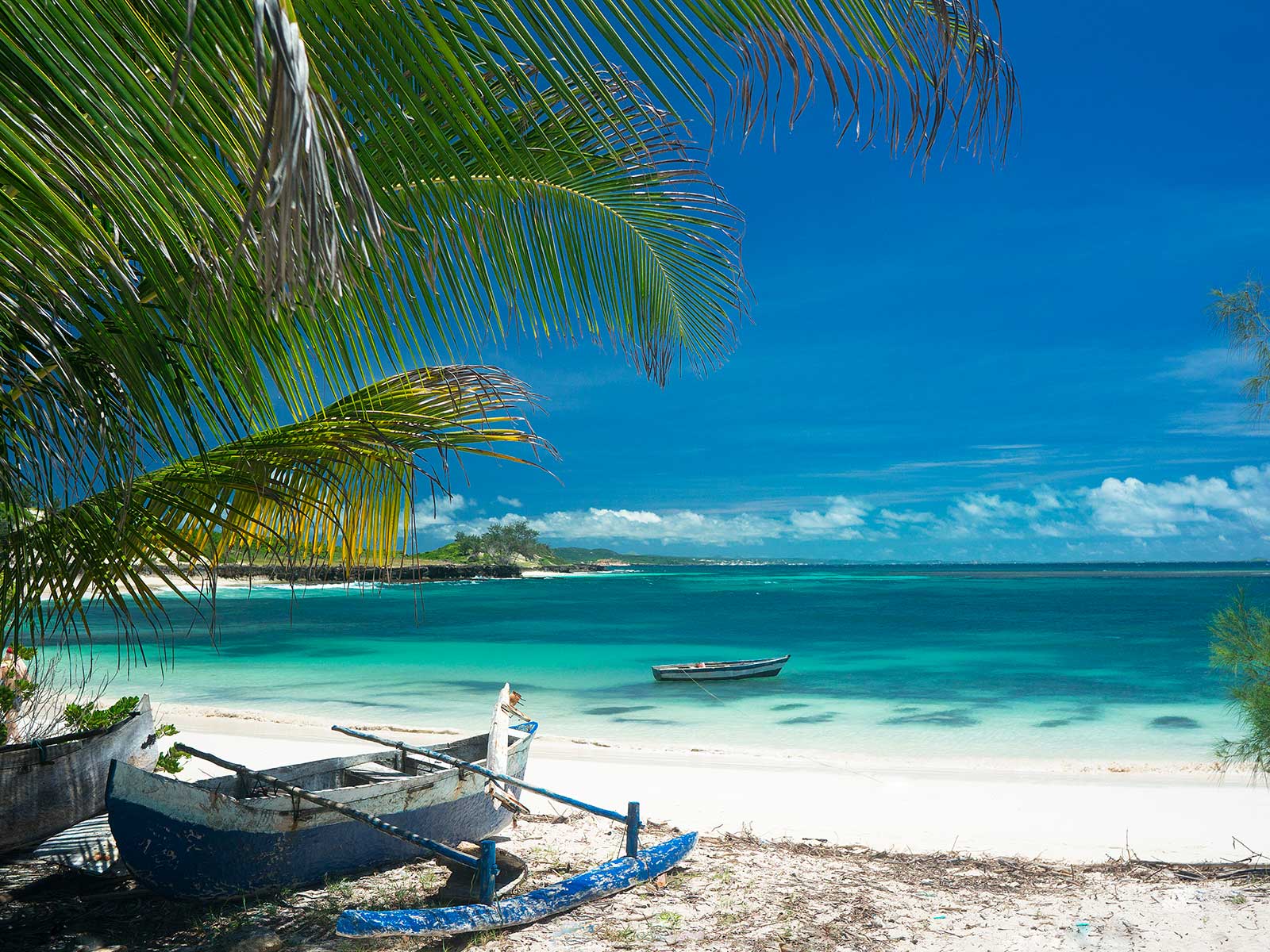
- Nosy Be:The most developed tourist destination in Madagascar, offering stunning beaches, vibrant markets, and access to surrounding islands. It's a great base for snorkeling, diving, and boat trips.
- Nosy Sakatia:Known as Orchid Island, this smaller island near Nosy Be is famous for its lush vegetation and excellent snorkeling with sea turtles.
- Tsarabanjina:A luxurious private island resort offering pristine beaches and exclusive experiences for those looking for ultimate relaxation.
Central Highlands: Culture and History
The heart of the Merina kingdom, offering a glimpse into Malagasy history and culture.
- Antananarivo:The bustling capital, with its historic Rova (palace complex), vibrant markets, and colonial architecture.
- Ambohimanga:A UNESCO World Heritage site and a sacred royal city, offering insight into the history of the Merina monarchy.
Accommodation Options
Madagascar offers a range of accommodations, from basic guesthouses to luxury eco-lodges and resorts. In major towns and popular tourist areas, you'll find comfortable hotels. In national parks and more remote regions, expect charming, often eco-friendly lodges that blend into the natural environment. Booking in advance, especially during peak season, is highly recommended.
Health and Safety
- Vaccinations:Consult your doctor well in advance about recommended vaccinations (e.g., Yellow Fever, Hepatitis A/B, Typhoid, Tetanus).
- Malaria:Madagascar is a malaria-risk area. Speak to your doctor about anti-malarial medication and use insect repellent diligently.
- Travel Insurance:Comprehensive travel insurance covering medical emergencies, evacuations, and trip cancellations is essential.
- Water:Drink only bottled or purified water.
- Local Safety:Be aware of your surroundings, especially in urban areas. Avoid walking alone at night and keep valuables out of sight. Hiring a local guide or driver can significantly enhance safety and provide invaluable local insights.
Cultural Etiquette
Madagascar has a rich and complex culture. Respect for local traditions, known asfady(taboos), is crucial. These vary by region and community, so listen to your local guide. Always ask permission before photographing people, and dress modestly, especially when visiting villages or sacred sites. A warm "Salama" (hello) and a smile go a long way.
Packing Essentials
- Clothing:Lightweight, breathable clothing for hot weather; long sleeves and trousers for evenings to protect against mosquitoes. A waterproof jacket and sturdy hiking boots are essential if visiting rainforests or Tsingy.
- Insect Repellent:With high DEET content.
- Sun Protection:Hat, sunglasses, high SPF sunscreen.
- First-Aid Kit:Basic medications, antiseptic wipes, bandages.
- Power Bank/Adapter:Electricity can be intermittent in remote areas.
- Camera and Binoculars:For capturing wildlife and landscapes.
- Small Backpack:For day trips.
Responsible Tourism
Madagascar's fragile ecosystems and unique wildlife face significant threats. Practice responsible tourism by:
- Supporting Local:Choose local guides, eat at local restaurants, and buy locally made handicrafts.
- Minimizing Impact:Stick to marked trails, don't litter, and never disturb or feed wildlife.
- Respecting Culture:Be mindful of local customs and traditions.
- Conservation:Consider donating to reputable conservation organizations working in Madagascar.
Planning your first trip to Madagascar is an exciting endeavor. By considering these essential tips, you'll be well-prepared to embark on an extraordinary adventure to an island that promises to captivate your senses and leave an indelible mark on your soul.