
Is Madagascar Safe to Visit? Essential Safety Tips for Travelers
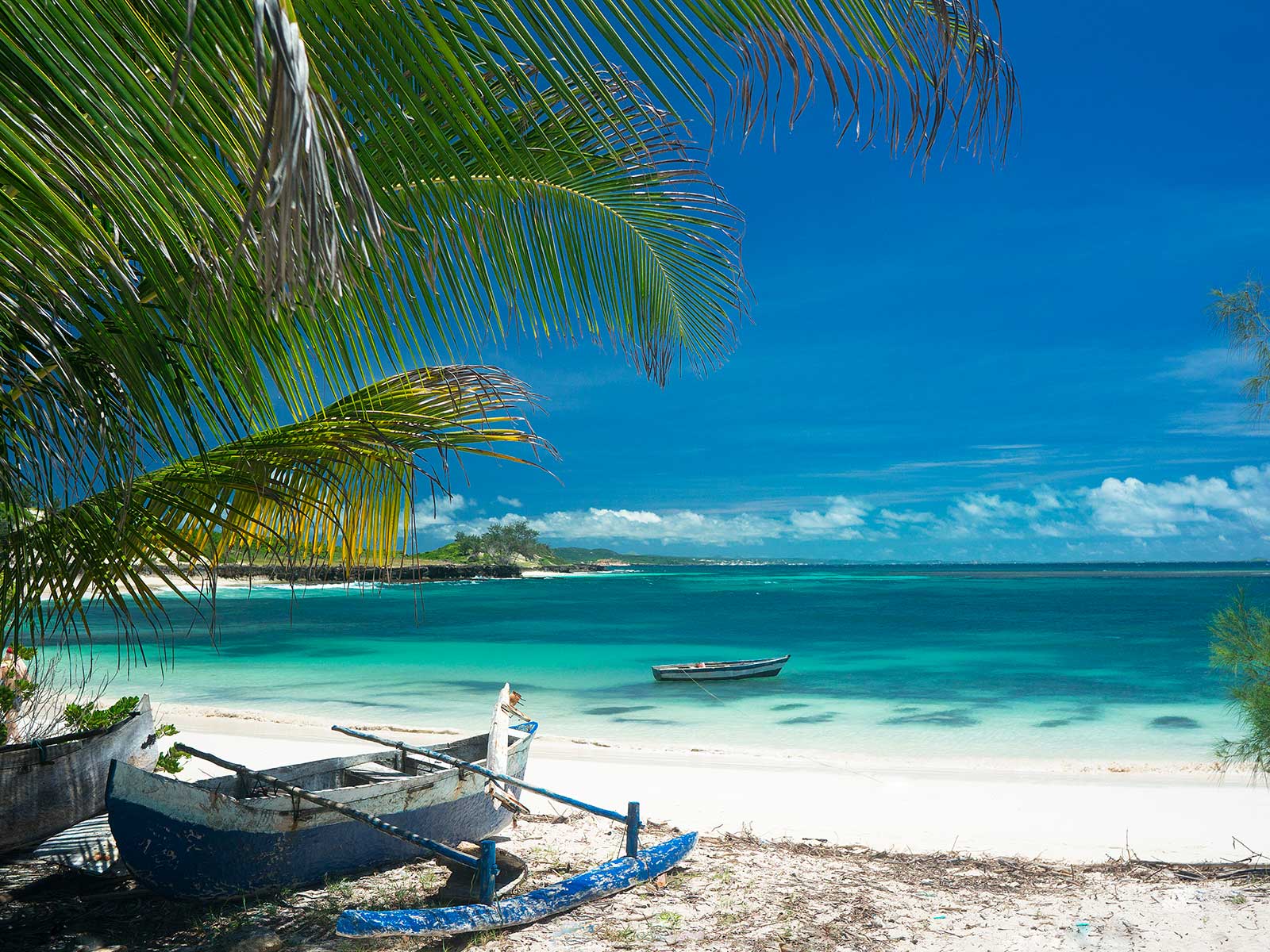
Madagascar, a land of unparalleled biodiversity and unique culture, beckons adventurers with its lemurs, baobabs, and pristine beaches. While the allure is undeniable, prospective visitors often wonder about safety. With proper preparation and awareness, a trip to this extraordinary island nation can be both safe and unforgettable.
Understanding Safety in Madagascar
Like any travel destination, Madagascar has its unique safety considerations. While serious crime against tourists is relatively rare, petty theft and opportunistic crimes can occur, particularly in urban centers and crowded tourist areas. Staying informed and exercising common sense are your best defenses.
Crime and Security Concerns
Petty Crime:The most common issue for travelers is petty theft, including pickpocketing and bag snatching. This is prevalent in busy markets, bus stations, and urban areas like Antananarivo, as well as popular tourist spots such as Nosy Be.
- Vigilance is key:Always be aware of your surroundings, especially in crowded places.
- Secure valuables:Keep passports, cash, and phones in secure, hidden pouches. Avoid flashing expensive jewelry or electronics.
- Evening caution:Avoid walking alone at night, especially in dimly lit or deserted areas. Use reputable taxis or hotel transport.
- Bag awareness:Keep your bag in front of you or across your body, and never leave it unattended.
More Serious Crime:Armed robberies and carjackings, though less frequent, have been reported, particularly on isolated roads after dark. It is strongly advised to avoid driving long distances at night outside major towns.
- Reputable transport:Always use trusted tour operators or arrange transport through your accommodation.
- Avoid isolated areas:Be cautious about venturing into remote areas without a local guide or reputable tour.
Road Safety
Madagascar's infrastructure can be challenging. Roads outside major cities are often poorly maintained, and driving standards can differ significantly from what you might be used to. Night driving is particularly hazardous due to lack of street lighting, unmarked obstacles, and sometimes poorly maintained vehicles.
- Hire experienced drivers:If planning inter-city travel, it's highly recommended to hire a car with a local, experienced driver.
- Daylight travel:Plan your journeys to be completed before nightfall.
- Vehicle condition:If renting a car, ensure it's in excellent mechanical condition.
Natural Hazards
Madagascar is susceptible to natural phenomena. The cyclone season typically runs from November to April, bringing heavy rains, strong winds, and potential flooding, especially to coastal regions. Always monitor local weather forecasts during this period. Additionally, while wildlife encounters are part of the adventure in places like Ankarafantsika Nature Reserve or Masoala National Park, it's wise to stay on marked trails and follow guide instructions to avoid any unforeseen interactions.
Health and Well-being
Prioritizing your health before and during your trip is paramount for a worry-free experience in Madagascar.
Vaccinations and Medical Preparations
Consult your doctor or a travel clinic well in advance of your trip (ideally 4-6 weeks) to discuss necessary vaccinations and preventative measures.
- Routine vaccinations:Ensure all your routine vaccinations (MMR, DTP, etc.) are up to date.
- Recommended vaccinations:Hepatitis A and B, Typhoid, and Tetanus are generally recommended. Yellow Fever vaccination may be required if you're arriving from an endemic country.
- Malaria:Madagascar is a high-risk area for malaria. Discuss appropriate anti-malarial prophylaxis with your doctor. Use insect repellent, wear long sleeves and pants at dusk, and sleep under mosquito nets.
- Rabies:If you plan a prolonged stay, or will be working with animals, consider a rabies vaccine.
Food and Water Safety
"Traveller's Diarrhea" is a common ailment. Taking precautions with what you consume can significantly reduce your risk.
- Water:Drink only bottled, boiled, or purified water. Avoid tap water, even for brushing teeth. Say no to ice in drinks unless you're certain it's made from purified water.
- Food:Eat only well-cooked food served hot. Avoid raw or undercooked meats and seafood. Peel fruits yourself and wash them thoroughly. Be wary of street food unless you see it being freshly prepared and it looks hygienic.
Medical Facilities and Insurance
Medical facilities in Madagascar, especially outside the capital, are limited and may not meet international standards. Comprehensive travel insurance that covers medical emergencies, including emergency evacuation, is absolutely essential.
- First-aid kit:Carry a basic first-aid kit with essentials like pain relievers, antiseptic wipes, bandages, and any personal prescription medications.
- Travel insurance:Do not travel without comprehensive medical and travel insurance. Ensure it covers emergency medical treatment and evacuation to a country with advanced medical facilities.
Essential Safety Tips for a Smooth Trip
Beyond health and crime, a few practical tips can help ensure a smoother and more enjoyable journey.
Before You Go
- Travel insurance:Reiterate the importance of comprehensive travel insurance covering medical emergencies, theft, and trip cancellations.
- Register with your embassy:Inform your country's embassy or consulate of your travel plans. This helps them locate you in case of an emergency.
- Research local customs:Understanding local customs and traditions, including the concept ofFady(taboos), shows respect and can prevent misunderstandings.
- Pack appropriately:Modest clothing is generally advisable, especially when visiting rural areas or cultural sites like Ambohimanga.
During Your Trip
- Stay informed:Keep up-to-date with local news and advisories from your embassy.
- Use reputable services:For tours, guides, and transportation, always opt for established, reputable companies. This is especially crucial for adventurous excursions to places like Tsingy de Bemaraha or wildlife viewing in Andasibe-Mantadia National Park.
- Be culturally sensitive:
Fady (Taboos):Madagascar has a complex system of local taboos calledFady, which vary by region and ethnic group. These can relate to food, actions, places, or even days of the week. Always ask your local guide about any specific Fady for the area you are visiting to avoid unintentional offense.
- Photography etiquette:Always ask for permission before taking photos of people, especially in rural areas.
- Respect the environment:Madagascar's unique ecosystems are fragile. Practice responsible ecotourism, stick to marked trails, and do not disturb wildlife or remove natural souvenirs. This applies whether you're relaxing on Nosy Sakatia or admiring the iconic Avenue of the Baobabs.
Conclusion: Embrace the Adventure Responsibly
Madagascar is a truly extraordinary destination, offering experiences found nowhere else on Earth, from the ancient stone forests of Tsingy de Bemaraha to the luxurious shores of Tsarabanjina. While it's crucial to be aware of potential risks, these should not deter you from exploring its wonders. By taking sensible precautions, staying informed, and respecting local culture and environment, you can ensure your journey through Madagascar is not only safe but also filled with incredible memories that will last a lifetime.