
Getting Around Madagascar: Transportation Options for Tourists
Madagascar, the world's fourth-largest island, offers an unparalleled adventure for intrepid travelers. While its unique biodiversity and stunning landscapes are captivating, navigating this vast country requires careful planning and a good understanding of its diverse transportation network.
Exploring Madagascar is an adventure in itself, with journeys often taking longer than anticipated due to varied road conditions and the sheer scale of the island. However, embracing these travel realities opens the door to authentic encounters and unforgettable scenery. This guide outlines the primary transportation options available to tourists, helping you plan your Malagasy odyssey.
Air Travel: Covering Vast Distances
Given Madagascar's size and often challenging road infrastructure, domestic flights are frequently the most practical and time-efficient way to cover long distances between major regions. Madagascar Airlines (formerly Tsaradia) operates the majority of domestic routes, connecting the capital Antananarivo (Tana) with key cities and tourist hubs across the island.
Popular routes include flights to destinations like Nosy Be, a popular island resort, or to towns serving as gateways to national parks such as Maroantsetra (for Masoala National Park) or Morondava (for the Avenue of the Baobabs). While convenient, domestic flights can be subject to delays or schedule changes, so building flexibility into your itinerary is always a wise approach. For remote luxury islands like Tsarabanjina, air travel (often via Nosy Be) combined with boat transfers is the standard.
Road Travel: The Heart of Malagasy Journeys
For most tourists, road travel will form the backbone of their Malagasy experience, offering the best opportunities to witness daily life and diverse landscapes up close.
Private Car with Driver
This is arguably the most recommended and comfortable option for tourists. Hiring a private 4x4 vehicle with an experienced local driver provides unparalleled flexibility, comfort, and safety. Your driver will not only navigate the sometimes-treacherous roads but also often serve as an informal guide, offering insights into local culture and spotting wildlife.
A private car allows you to set your own pace, stop for photos whenever you wish, and access more remote locations that public transport simply cannot reach. This is essential for visiting iconic sites like the Avenue of the Baobabs, the rugged terrain leading to Tsingy de Bemaraha, or exploring reserves such as Andasibe-Mantadia National Park,Ankarafantsika Nature Reserve, or the royal hill of Ambohimanga. Booking through a reputable tour operator is advisable to ensure a well-maintained vehicle and a reliable driver.
Self-Drive Rentals
While possible in some urban areas, self-driving is generally not recommended for tourists outside of very specific, well-researched routes. Road conditions can be extremely poor, signage is often limited, and local driving customs can be challenging to navigate. Furthermore, vehicle breakdowns in remote areas can be logistically complex and time-consuming to resolve.
Taxi-Brousse (Bush Taxi)
For the budget-conscious and adventurous traveler, the taxi-brousse offers an authentic, albeit challenging, local experience. These shared minivans or larger buses are the primary mode of inter-city transport for Malagasy people. They are incredibly affordable but come with significant trade-offs:
- Comfort:Vehicles are often old, crowded, and uncomfortable, with passengers and cargo packed tightly.
- Speed & Schedule:Journeys are slow, unpredictable, and can take significantly longer than advertised. They depart only when full.
- Safety:While generally safe, vehicles may not always be optimally maintained, and driving standards can vary.
For shorter distances or a truly immersive cultural experience, a taxi-brousse can be memorable. However, for long hauls or those on a tight schedule, alternative options are usually preferable.
Taxis (City and Short Distances)
In larger towns and cities like Antananarivo, taxis are readily available. These are typically older Renault 4s or similar small cars. Always negotiate the fare before starting your journey, as meters are rarely used. For safety, especially at night, it's best to arrange taxis through your hotel or a trusted local contact.
Rail Travel: A Glimpse into the Past
Madagascar's railway network is limited, with most lines focused on cargo. However, one notable exception is the scenicFianarantsoa-Manakara (FCE)line. This historic train journey descends from the central highlands to the east coast, offering breathtaking views through tunnels, across bridges, and past traditional villages. It's a full-day commitment, often with delays, but provides a unique perspective on the country and its diverse landscapes. While not a primary mode of transport for tourists, it's a popular experience for those seeking an authentic adventure.
Water Travel: Exploring the Coasts and Islands
With its extensive coastline and numerous islands, water transport is crucial for accessing many of Madagascar's most beautiful destinations.
- Boats & Ferries:From the mainland, ferries and speedboats connect to popular islands like Nosy Be and its smaller surrounding islands such as Nosy Sakatia. Private boat charters are also available for exploring remote coves or reaching luxury island resorts like Tsarabanjina.
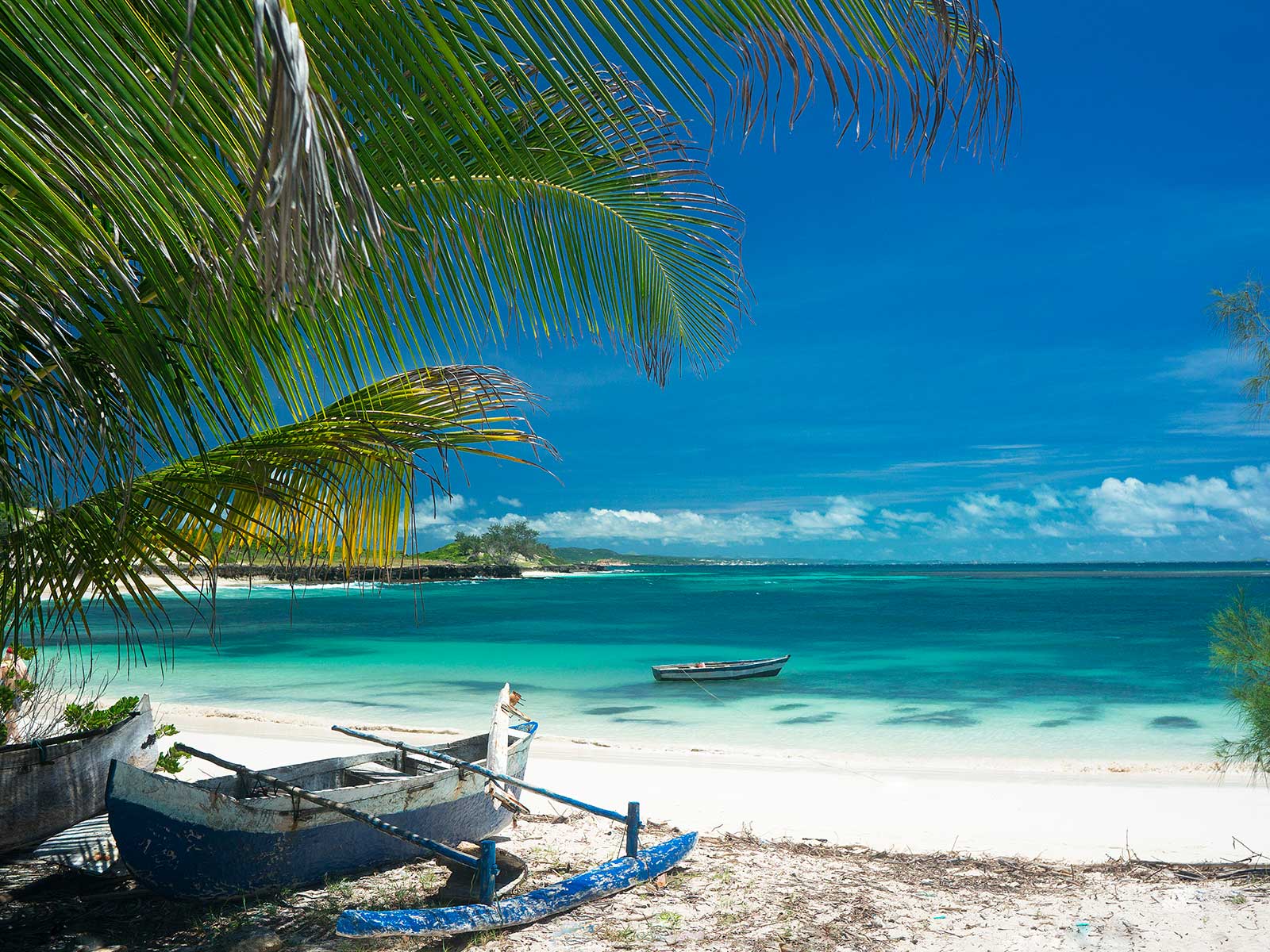
- Pirogues:Traditional outrigger canoes (pirogues) are common in coastal and riverine areas, offering a slower, more authentic way to travel short distances or explore waterways, such as accessing remote parts of Masoala National Park.
Travel Tip:When traveling by boat, especially in smaller vessels, always inquire about life jackets and ensure they are readily available and in good condition.
Other Local Transport Options
- Pousse-Pousse:In cities like Antsirabe and parts of Antananarivo, thepousse-pousse(rickshaw, either pulled by hand or bicycle) is a common sight. It's an interesting cultural experience for short distances, but always negotiate the fare beforehand.
- Tuk-tuks / Bajaj:In many coastal towns and some larger cities, three-wheeled auto-rickshaws (tuk-tuks or Bajaj) have become popular for short-distance travel, offering a nimble and affordable alternative to taxis.
- Walking:Within towns, villages, and especially within national parks and reserves, walking is often the best way to explore and immerse yourself in the environment. Always consider hiring a local guide for treks in parks.
Key Considerations for Tourists
- Patience and Flexibility:Malagasy travel operates on its own unique rhythm. Delays, changes, and unexpected situations are common. Embrace them as part of the adventure.
- Road Conditions:Expect highly variable road quality, ranging from well-maintained paved highways (mostly around major cities) to extremely rough, unpaved tracks, especially in the west and south.
- Booking in Advance:For domestic flights and private car hires, especially during peak season, booking well in advance through a reputable agent is highly recommended.
- Safety:While generally safe, always be mindful of your belongings, especially in crowded areas. When traveling by road, ensure your driver is rested and your vehicle is in good condition.
Getting around Madagascar is an integral part of the adventure. While it demands patience and a flexible mindset, the journeys themselves often reveal as much beauty and cultural insight as the destinations. By choosing the right transport options for your itinerary and embracing the unique challenges, you're set for an unforgettable exploration of this extraordinary island.