
Best Time to Visit Madagascar: Weather, Wildlife & Activities Guide
Madagascar, the world's fourth-largest island, is a realm of unparalleled biodiversity and breathtaking landscapes. To truly unlock the magic of this unique destination, understanding its distinct seasons and how they influence weather, wildlife, and activities is paramount.
Understanding Madagascar's Seasons
Madagascar experiences two primary seasons: a dry, cooler period and a hot, wet period. Each offers a different perspective on the island's diverse ecosystems and wildlife, making the "best" time to visit largely dependent on your priorities.
The Dry Season (May to October)
The dry season is widely considered thepeak travel periodfor Madagascar. Characterized by pleasant temperatures, lower humidity, and minimal rainfall, it offers optimal conditions for exploration and wildlife viewing across most of the island.
- Weather:Cooler temperatures, especially in the highlands, with comfortable daytime warmth in coastal areas. Rain is infrequent, making travel much easier.
- Wildlife:This is prime time for spotting lemurs, as they are active and easier to observe in the less dense foliage. Many chameleons and reptiles are also active. Humpback whales migrate to the warmer waters off Madagascar's coast between July and September for breeding.
- Activities:Ideal for hiking, trekking, and exploring national parks. Roads are generally in better condition, allowing access to remote areas. Beach holidays are particularly enjoyable with sunny skies and calm seas.
Month-by-Month Breakdown of the Dry Season:
- May & June:A wonderful shoulder season. The landscape is still green from recent rains, but the air is crisp, and temperatures are pleasant. Excellent for hiking and seeing lemurs.
- July & August:Peak season for tourism. Cooler temperatures, especially in the central highlands. Perfect for exploring Tsingy de Bemaraha and the Avenue of the Baobabs. Whale watching season begins off Sainte Marie and Nosy Be.
- September & October:Arguably thebest overall time. Temperatures rise, and lemur activity is at its peak, with many mothers carrying young. Whale watching continues. Ideal for snorkeling and diving around islands like Tsarabanjina and Nosy Sakatia.
The Wet Season (November to April)
The wet season brings heat, humidity, and often torrential rainfall, especially between January and March, when cyclones can occur. While challenging for travel, this period offers a different, often more intimate, experience of Madagascar's nature.
- Weather:Hot and humid, with heavy downpours, particularly in the afternoons. Cyclones are a risk on the east coast and northern regions.
- Wildlife:Many animals breed during this period, offering chances to see young. Birdwatching is excellent as migratory birds arrive and resident species display breeding plumage. Frogs and insects are abundant.
- Activities:Some national parks, particularly in the north and east (like Masoala National Park), become less accessible or even close due to impassable roads. However, the landscapes are incredibly lush and vibrant. Coastal areas can still be enjoyable, though heavy rain can occur.
Month-by-Month Breakdown of the Wet Season:
- November & December:Shoulder months marking the start of the wet season. Temperatures are rising, and rain becomes more frequent but often in short bursts. Excellent for seeing chameleon breeding displays.
- January to March:The peak of the wet season. Hot, humid, and heavy rains are common. Travel can be significantly impacted, especially in remote areas. Some parks may be closed.
- April:Transition month. Rains begin to subside, and the land is incredibly green. Temperatures remain warm, and it's a good time for those seeking fewer crowds before the dry season rush.
Travel Tip:If planning a trip during the wet season, focus on coastal areas that are more resilient to heavy rains, or be prepared for potential itinerary changes due to weather and road conditions. Always check local forecasts and park accessibility before you go.
Seasonal Highlights: Wildlife & Activities
Lemurs & Primates
The dry season, particularlySeptember and October, is optimal for lemur viewing. The cooler, less dense foliage allows for easier spotting, and many species have young. Key parks include Andasibe-Mantadia National Park for the Indri, and Ankarafantsika Nature Reserve for various diurnal and nocturnal species.
Chameleons & Reptiles
While chameleons are present year-round, thewet season (November-December)is excellent for witnessing their breeding rituals and vibrant displays. Many species are more active and easier to spot as they emerge to feed and mate.
Humpback Whale Watching
One of Madagascar's most spectacular natural events, humpback whale watching, runs fromJuly to September. Thousands of these magnificent creatures migrate from Antarctic waters to breed and calve in the warm, sheltered bays off Madagascar's east coast, notably around Sainte Marie Island, and also off Nosy Be.
Birdwatching
For avid birdwatchers, thewet season (November to April)is often preferred. This is when migratory species arrive, and many resident birds are in their striking breeding plumage.Ankarafantsika Nature Reserve and Masoala National Park are prime birding locations.
Adventure & Exploration
Thedry season (May to October)is undoubtedly the best for adventure activities. This is when the challenging limestone formations of Tsingy de Bemaraha are accessible for climbing and hiking, and the dusty tracks leading to the iconic Avenue of the Baobabs are easily navigable.
Beach & Island Escapes
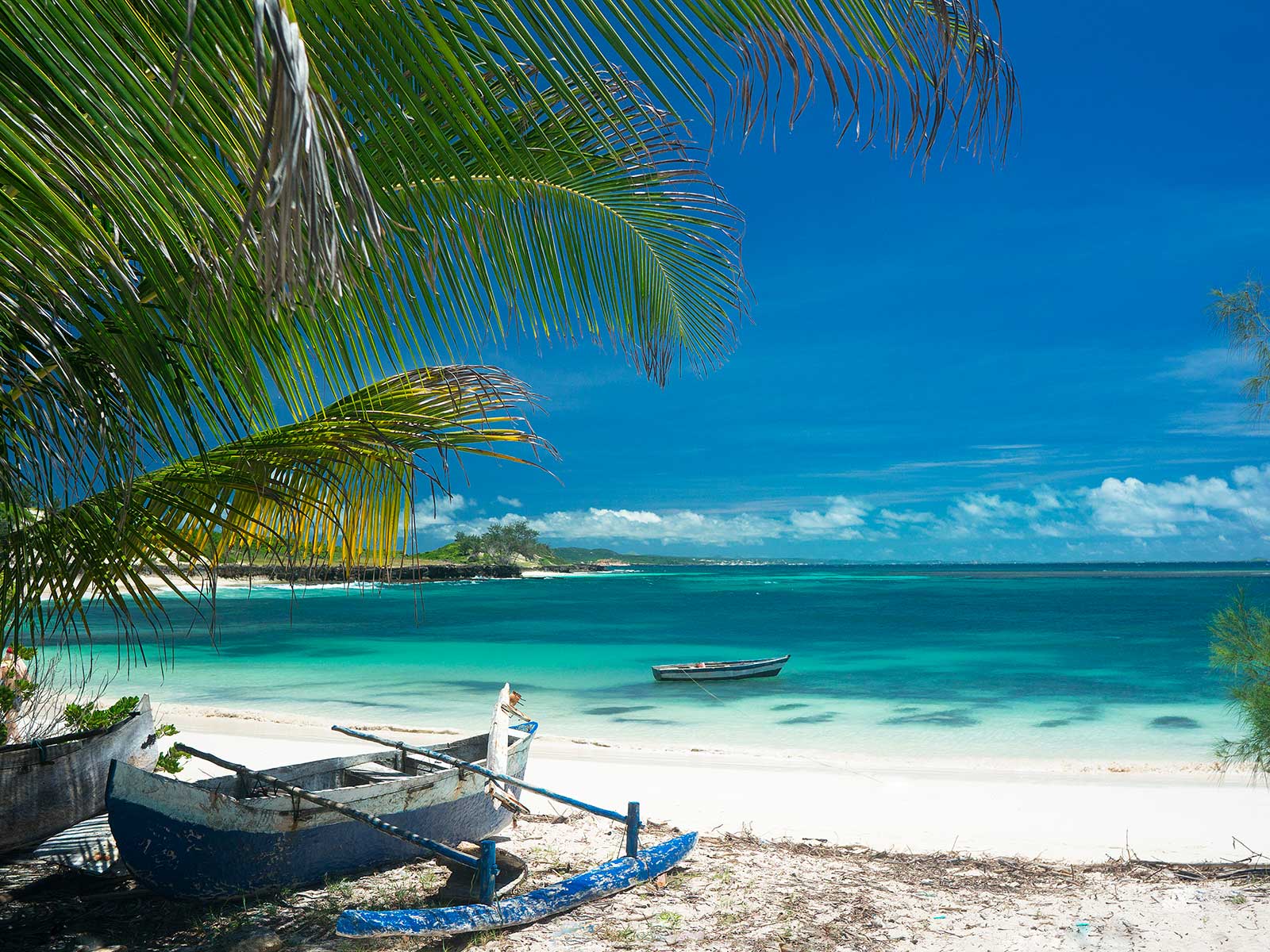
Madagascar's stunning beaches and islands, such as Nosy Be,Tsarabanjina, and Nosy Sakatia, are wonderful year-round. However, thedry season (May to October)offers the most reliable sunny weather for snorkeling, diving, and simply relaxing on the white sands.
Planning Your Trip: Key Considerations
Accessibility
Road conditions significantly worsen during the wet season, making travel to many national parks and remote areas difficult or impossible. Internal flights can also be delayed or cancelled. Thedry season offers far greater accessibility.
Crowds & Accommodation
The dry season, especially July-August and September-October, sees the highest number of tourists. Booking accommodation and tours well in advance is essential. The wet season offers fewer crowds and potentially lower prices, but with the trade-off of weather-related challenges.
Health & Safety
Malaria risk is present year-round but can be higher during the wet season due to increased mosquito activity. Always consult your doctor regarding vaccinations and preventative measures. Sun protection is crucial in all seasons.
The Verdict: When to Go?
For most visitors seeking optimal weather, wildlife viewing, and accessibility to national parks, thedry season from May to Octoberis the undisputed best time to visit Madagascar. Within this window,September and Octoberoften stand out for their combination of excellent lemur activity, comfortable temperatures, and continuing whale watching opportunities.
However, if you're a keen birdwatcher, prefer fewer tourists, or are fascinated by the lush, vibrant landscapes that emerge after the rains, then the shoulder months of the wet season, such asNovember, December, or April, could offer a unique and rewarding experience. Just be prepared for potential travel disruptions and adapt your itinerary accordingly.
Ultimately, Madagascar is a destination that captivates year-round with its incredible biodiversity and cultural richness. By aligning your visit with your interests and understanding the seasonal nuances, you can ensure an unforgettable adventure on this extraordinary island.