
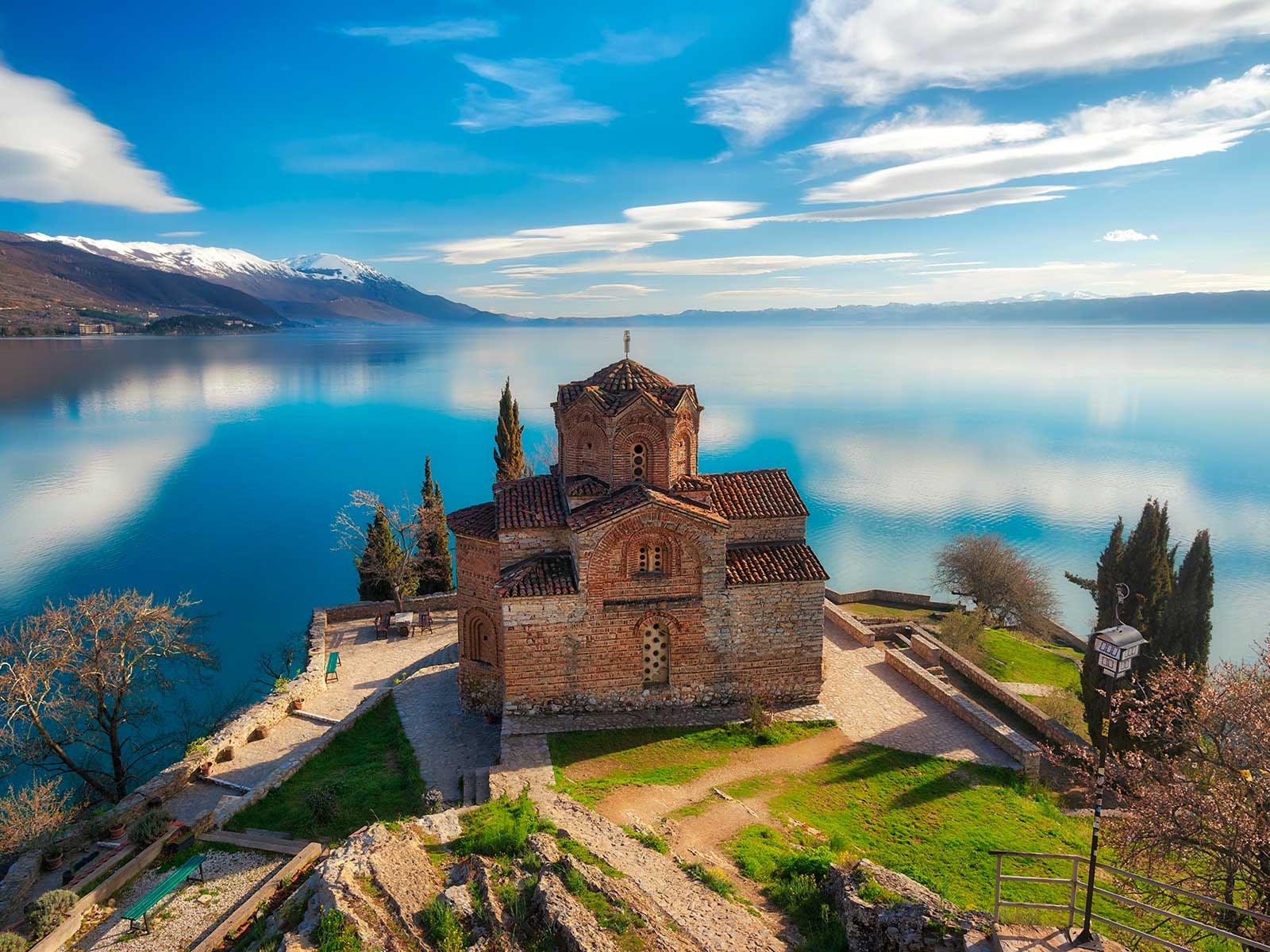
Is North Macedonia Safe for Travelers? Essential Safety Tips
North Macedonia is a hidden gem in the Balkans, captivating travelers with its rich history, stunning landscapes, and warm hospitality. While generally considered a very safe destination, understanding local nuances and taking standard precautions will ensure a smooth and enjoyable trip. This guide provides essential safety tips for your adventure.
From ancient ruins like Ancient Stobi to vibrant cities and serene natural parks, North Macedonia offers a wealth of experiences. The country boasts a low crime rate and a welcoming atmosphere, making it an increasingly popular choice for those seeking an authentic European experience away from the crowded tourist trails.
Overall Crime and Security
North Macedonia enjoys a relatively low crime rate compared to many other European countries. Violent crime against tourists is exceedingly rare. However, like any travel destination, it's wise to be aware of your surroundings, especially in crowded areas.
- Petty Crime:The most common issue travelers might encounter is petty theft, such as pickpocketing or bag snatching. This is particularly true in busy tourist spots, markets, bus and train stations, and popular festivals in places like The Old Town of Ohrid or Skopje.
- Scams:While uncommon, be wary of overly friendly strangers offering unsolicited help or advice, especially around ATMs or transportation hubs. Use common sense and politely decline if something feels off.
- Political Stability:North Macedonia is generally politically stable. While demonstrations or protests can occur, they are usually peaceful and confined to specific areas, primarily in the capital, Skopje. It's advisable to avoid large gatherings.
Traveler's Tip:Always keep your valuables secure and out of sight. Consider using a money belt or a cross-body bag worn in front of you, especially in crowded tourist zones.
Transportation Safety
Getting around North Macedonia is generally safe, but understanding local transport practices can enhance your journey.
- Taxis:In cities, use licensed taxis. It's best to agree on a fare before starting your journey or ensure the meter is used. Ride-sharing apps are not widely available outside of Skopje.
- Public Transport:Intercity buses are a reliable and affordable way to travel between towns and cities. They are generally safe and well-maintained. Local city buses are also safe, though they can get crowded during peak hours.
- Driving:If you plan to rent a car, be aware that road conditions can vary. Some rural roads may have potholes, and driving habits can be more aggressive than in Western Europe. Unlit roads are common outside urban areas at night. An International Driving Permit is recommended alongside your national license.
- Border Crossings:Land border crossings are typically smooth, though you might experience queues during peak seasons or holidays. Ensure all your vehicle and personal documents are in order.
Health and Medical Care
Staying healthy while traveling is paramount, and North Macedonia has adequate facilities for most common ailments.
- Vaccinations:Consult your doctor about recommended vaccinations before your trip. Routine vaccinations (measles, mumps, rubella, diphtheria, tetanus, pertussis, polio) are usually sufficient.
- Pharmacies:Pharmacies (Apteka) are well-stocked throughout the country, and many pharmacists speak basic English. You can often get over-the-counter remedies and some prescription medications without a doctor's note.
- Tap Water:Tap water in major cities like Skopje and Ohrid is generally considered safe to drink. However, many travelers prefer to drink bottled water, which is widely available and inexpensive. When exploring natural areas like Matka Canyon, ensure you bring enough water or know where to refill from safe sources.
- Medical Facilities:Medical care in North Macedonia is basic but adequate for routine issues. For serious emergencies or complex treatments, you may need to be evacuated to a neighboring country or back home.Travel insurance is absolutely essentialand should cover medical emergencies and evacuation.
- Emergency Numbers:
- General Emergency (Police, Fire, Ambulance):112
- Ambulance:194
- Police:192
- Fire:193
Natural Hazards and Outdoor Activities
North Macedonia's stunning natural beauty invites exploration, but it's important to be prepared for outdoor adventures.
- Earthquakes:The Balkan region is seismically active, and minor earthquakes can occur, though significant, damaging quakes are rare. Familiarize yourself with basic earthquake safety procedures (drop, cover, hold on).
- Hiking and Mountaineering:Popular activities in areas like Matka Canyon,Mavrovo National Park, and around Prespa Lakes. Always stick to marked trails, inform someone of your itinerary, carry plenty of water, and wear appropriate footwear and clothing. Weather conditions in mountainous regions can change rapidly.
- Weather:Summers can be very hot, particularly in the lowlands and vineyards of Tikveš Vineyards. Winters are cold, with significant snowfall in mountainous areas. Pack accordingly for the season and activities planned.
- Water Activities:Swimming in Lake Ohrid or Prespa Lakes is refreshing. Always be mindful of boat traffic, especially in designated swimming zones.
Cultural Sensitivity and Local Etiquette
North Macedonians are renowned for their hospitality and warmth. Showing respect for local customs will always be appreciated.
- Dress Code:When visiting religious sites, such as monasteries, churches, or mosques like the Colored Mosque in Tetovo, dress modestly. This generally means covering your shoulders and knees. Women may be required to cover their heads in some Orthodox churches or mosques.
- Photography:Always ask for permission before taking photos of people, especially in rural areas or at religious sites.
- Hospitality:If invited into a local's home, it's customary to accept a refreshment or small snack. Refusals can sometimes be seen as impolite, though a polite decline is usually understood.
Personal Safety Tips for Travelers
Beyond general awareness, a few specific tips can enhance your personal safety.
- Be Aware of Your Surroundings:This is a universal travel tip. Pay attention to people and situations around you, especially in unfamiliar areas or at night.
- Protect Valuables:Don't openly display large amounts of cash, expensive jewelry, or high-end electronics. Use hotel safes when available.
- Solo Travel:North Macedonia is generally safe for solo travelers, including women. However, always exercise the same precautions you would at home or in any other country. Inform someone of your itinerary, especially when venturing off the beaten path.
- Nightlife:Enjoy the local nightlife in cities like Skopje, Ohrid, or even smaller vibrant towns like Kruševo or Prilep. Drink responsibly, keep an eye on your drink, and avoid walking alone in poorly lit areas late at night.
- Accommodation:Choose reputable hotels, hostels, or guesthouses with good reviews. Ensure your accommodation has adequate security measures.
Conclusion
North Macedonia is an incredibly rewarding and generally very safe destination for travelers. By understanding local customs, taking sensible precautions, and being prepared for your adventures, you can fully immerse yourself in the rich culture, breathtaking landscapes, and warm hospitality that this beautiful Balkan nation offers. Enjoy your journey!