
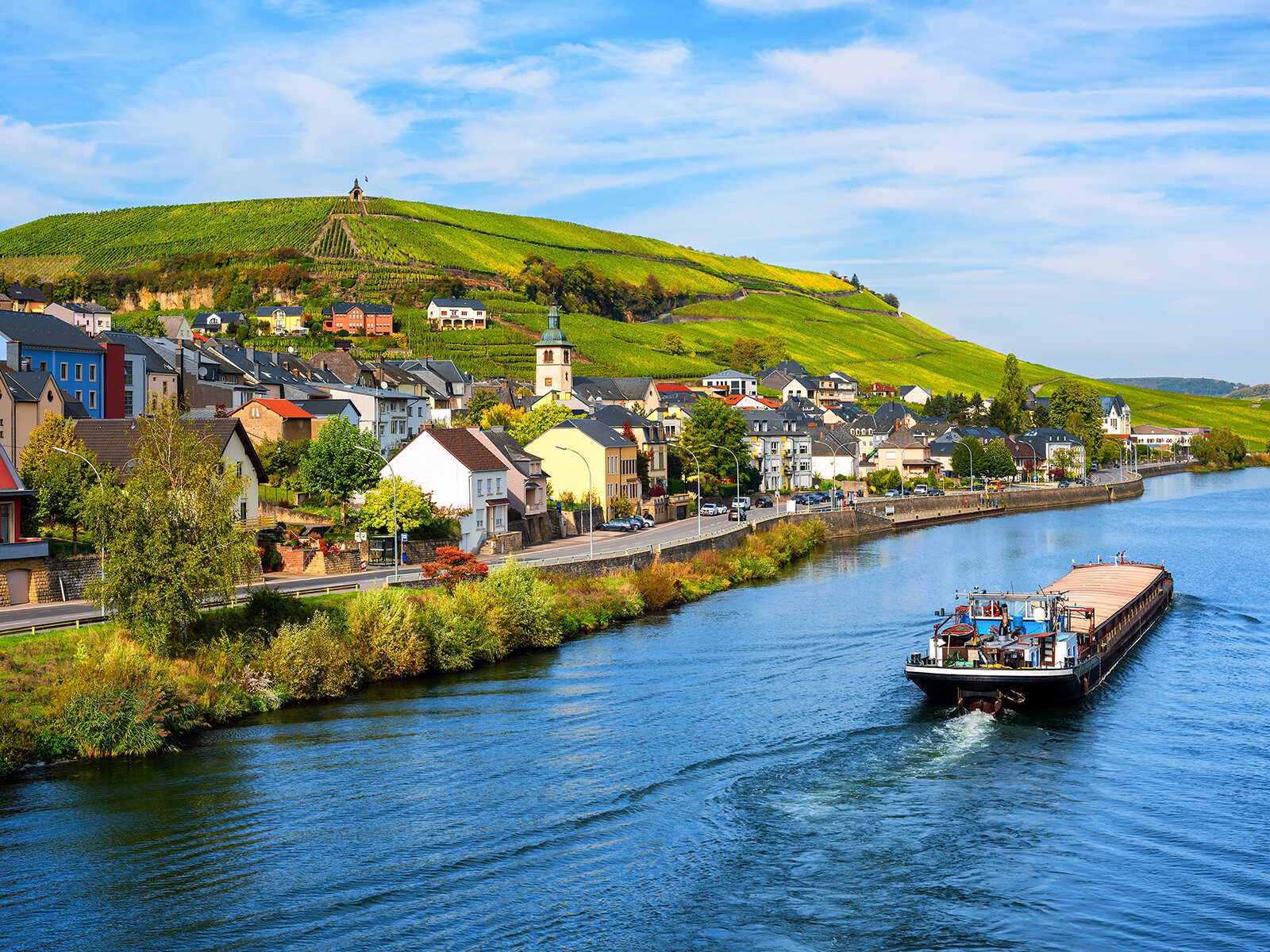
A Guide to Luxembourg Old Town: History, Sights & Charm
Nestled atop dramatic cliffs and carved by two rivers, Luxembourg City's Old Town is a UNESCO World Heritage site that captivates visitors with its rich history and stunning beauty. This compact yet fascinating district offers a journey through centuries of European heritage, blending impressive fortifications with charming streets and vibrant cultural life.Unveiling Luxembourg Old Town: A Tapestry of Time
The story of Luxembourg Old Town is one of strategic importance and enduring resilience. From its humble beginnings as a Roman fort, it evolved into one of Europe's most formidable strongholds.History at a Glance
The history of Luxembourg Old Town dates back to 963 AD when Count Siegfried acquired a rocky promontory known as "Bock Fiels" and built a fortified castle. This strategic location, perched high above the Alzette and Pétrusse rivers, quickly grew into a powerful fortress that earned it the moniker "Gibraltar of the North." For centuries, various European powers — including the Burgundians, Habsburgs, Spanish, French, and Prussians — vied for control, each leaving their architectural and cultural mark.
The city's extensive network of fortifications, including the famous Casemates du Bock, played a crucial role in its defense. Though many of these fortifications were dismantled following the Treaty of London in 1867, their remnants profoundly shape the city's unique topography and historical character today. In 1994, the Old Town and its ancient quarters were designated a UNESCO World Heritage site, recognizing their outstanding universal value.
Must-See Sights in Luxembourg Old Town
Exploring the Old Town is best done on foot, allowing you to discover its hidden alleys and grand squares at your own pace. Here are some of the unmissable highlights.The Bock Casemates
Delve deep into the city's military past by exploring the Casemates du Bock. This impressive network of underground tunnels, carved directly into the rock, once housed soldiers, horses, and workshops. Spanning over 23 kilometers, these subterranean galleries offered protection and strategic vantage points during sieges. Today, a visit offers a fascinating glimpse into the city's defensive ingenuity and provides spectacular views of the Grund district below.
The ancient quarters and fortifications of Luxembourg City are a prime example of a fortified European city, remarkably preserved and adapted to modern life, while showcasing a millennium of history.
Grand Ducal Palace
The official residence of the Grand Duke of Luxembourg, the Palais Grand-Ducal is an architectural gem. Originally built as the city hall in the 16th century, its Flemish Renaissance façade is a striking feature in the heart of the Old Town. While typically not open to the public, during the summer months, guided tours offer a rare opportunity to admire its opulent interiors and learn about the Grand Ducal family's role.
Notre-Dame Cathedral
A masterpiece of late Gothic architecture with Renaissance elements, the Cathédrale Notre-Dame is Luxembourg's only cathedral. Its intricate stained-glass windows, impressive crypt, and three distinctive spires make it a prominent landmark. Inside, visitors can admire the Marian shrine, the tomb of John the Blind, and the beautiful Baroque organ.
Place Guillaume II & Place d'Armes
These two lively squares form the vibrant heart of the Old Town.Place Guillaume II, often called "Knuedler" by locals, features an equestrian statue of William II, King of the Netherlands and Grand Duke of Luxembourg. It hosts open-air concerts and markets. Just a short stroll away,Place d'Armesis a charming pedestrian square lined with cafés, restaurants, and shops, making it a perfect spot for people-watching and enjoying the city's relaxed atmosphere.
Chemin de la Corniche
Often referred to as "Europe's most beautiful balcony," the Chemin de la Corniche offers breathtaking panoramic views. This scenic walkway traces the line of the old fortifications, providing unparalleled vistas of the lower Grund district, the Alzette River, and the surrounding plateau. It's an ideal spot for photography and soaking in the city's unique multi-level landscape.
The Grund
Descending from the upper city, either by foot or via the public elevator, you'll reach the picturesque Grund. This charming lower town, nestled along the Alzette River, feels like a world apart with its quaint houses, cobblestone streets, and relaxed ambiance. It's home to numerous restaurants, bars, and cultural venues, offering a more bohemian contrast to the upper city.
Adolphe Bridge
An iconic symbol of Luxembourg City, the Adolphe bridge is an impressive stone arch bridge that spans the Pétrusse Valley. Completed in 1903, it connects the historic Ville Haute (Upper City) with the more modern railway station district. Offering stunning views of the valley and the city, it's a testament to early 20th-century engineering and a popular spot for pedestrians and cyclists.
Wenceslas Wall
For those interested in medieval fortifications, a walk along the Wenceslas Wall offers a glimpse into the city's ancient defenses. Named after Wenceslas II, Duke of Luxembourg, this 14th-century wall stretches for several kilometers, encompassing towers, gates, and the remains of the original fortress. It provides another scenic route with historical significance.
Experiencing the Charm: Beyond the Landmarks
Luxembourg Old Town's appeal extends beyond its famous sights. Its true charm lies in the experience of simply being there.Strolling the Cobblestone Streets
Wander through the narrow, winding streets of the Old Town and discover boutique shops, art galleries, and inviting cafés tucked away in historic buildings. The atmosphere is a delightful blend of old-world charm and modern European sophistication, perfect for leisurely exploration.
Culinary Delights
The Old Town boasts a diverse culinary scene. From traditional Luxembourgish dishes likeJudd mat Gaardebounen(smoked pork collar with broad beans) and plum tarts, to a wide array of international cuisine, there's something to satisfy every palate. Enjoy a meal in a historic setting, perhaps with a glass of local Moselle wine.
Art and Culture
Immerse yourself in Luxembourg's vibrant cultural scene. The National Museum of History and Art (MNHA), located in the Fishmarket area, showcases artifacts from prehistoric times to the present day. Smaller galleries dot the Old Town, displaying contemporary works. While the ultra-modern Kirchberg district houses institutions like the Philharmonie Luxembourg, the Old Town maintains its own rich cultural pulse.
Practical Tips for Your Visit
To make the most of your trip to Luxembourg Old Town, keep these practical tips in mind.Getting There and Around
Luxembourg City is remarkably compact and walkable, especially the Old Town. The city center is well-served by public transport, which is notably free throughout the country. Trains and buses connect the city with its surroundings, making day trips easy. Within the Old Town, be prepared for some hills and stairs, but public lifts and escalators are available to connect different levels, such as from the upper city to the Grund.
Best Time to Visit
The Old Town is beautiful year-round. Spring and summer offer pleasant weather for walking and outdoor dining, with various festivals and events. Autumn brings picturesque foliage, while winter transforms the city into a festive wonderland with Christmas markets.
Accessibility
Due to its hilly terrain and cobblestone streets, some areas of the Old Town might present accessibility challenges. However, efforts have been made to improve access with lifts and ramps in key locations. Planning your route can help navigate these charming but uneven paths.
Beyond the Old Town: Nearby Explorations
While Luxembourg Old Town offers days of exploration, the Grand Duchy has much more to discover. Consider extending your trip to visit some of these other incredible destinations:- Explore the fairytale Vianden Castle, one of Europe's most beautiful restored castles.
- Discover the ruins of Medieval Castle Beaufort and its Renaissance château.
- Hike through the dramatic landscapes of Mullerthal, often called "Little Switzerland."
- Embark on a scenic journey through the Valley of the Seven Castles.
- Connect with nature at Haff Reimech, a wetland nature reserve.
- Enjoy water activities and stunning scenery around Upper-Sûre Lake.
Conclusion
Luxembourg Old Town is more than just a collection of historical buildings; it's a living testament to a rich past, a vibrant cultural hub, and a place of unparalleled beauty. Its blend of dramatic fortifications, charming streets, and welcoming atmosphere makes it an essential destination for any traveler seeking to immerse themselves in European history and charm. From the depths of the Casemates du Bock to the panoramic views of Chemin de la Corniche, the Luxembourg Old Town promises an unforgettable journey through time.