
How to Get from Munich to Liechtenstein: Transportation Options
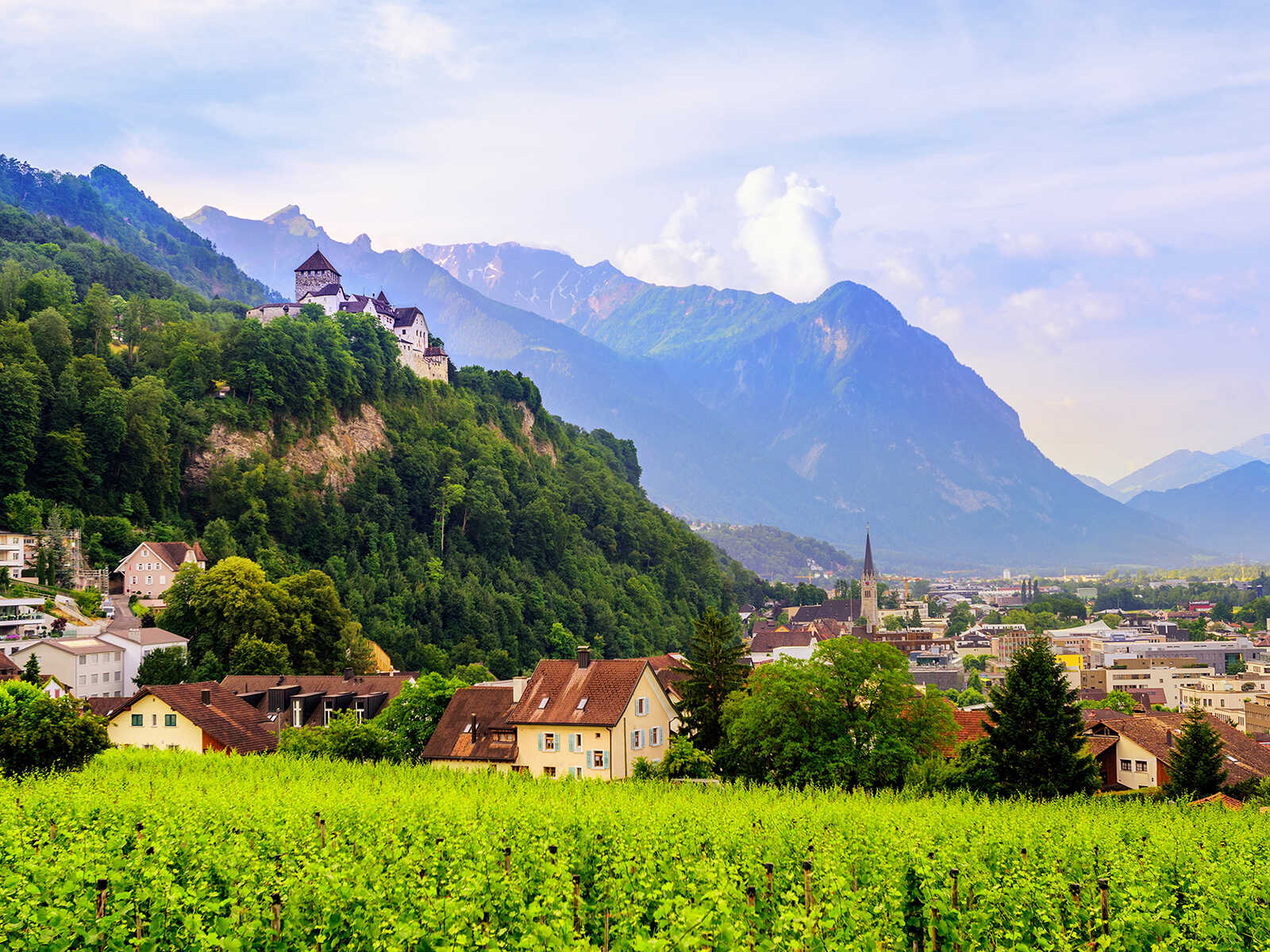
Embarking on a journey from the vibrant Bavarian capital of Munich to the serene Alpine principality of Liechtenstein promises a fascinating transition. Despite its small size, Liechtenstein is easily accessible, offering travelers a choice of convenient and scenic transportation methods. This guide will help you navigate your options, ensuring a smooth and enjoyable trip to this charming microstate.
The Journey at a Glance
Liechtenstein, nestled between Switzerland and Austria, is approximately 200-250 kilometers (125-155 miles) southwest of Munich. The travel time typically ranges from 2.5 to 4 hours, depending on your chosen mode of transport and specific destination within Liechtenstein. While there are no direct train or bus services, excellent regional connections make the journey straightforward and often quite picturesque.
Option 1: By Train – The Scenic and Relaxing Route
Traveling by train from Munich offers a comfortable and environmentally friendly way to reach the vicinity of Liechtenstein, often providing stunning views of the Bavarian, Austrian, and Swiss landscapes.
Munich to Border Towns (e.g., Feldkirch, Sargans)
Your train journey will typically involve reaching a major hub city near Liechtenstein. The most common and convenient transfer points are:
- Feldkirch, Austria:This Austrian town is the closest international train station to Liechtenstein. Direct or one-change connections are available from Munich Hauptbahnhof, often via Bregenz or Innsbruck. The journey to Feldkirch usually takes around 3 to 3.5 hours.
- Sargans, Switzerland:Located just across the Rhine river from Liechtenstein, Sargans is another excellent option. Trains from Munich to Sargans typically involve one or two changes, often in Zurich or St. Margrethen, and take about 3.5 to 4 hours.
Both Deutsche Bahn (DB) and ÖBB (Austrian Federal Railways) operate services on these routes. It's advisable to check schedules and book tickets in advance, especially for longer segments, to secure the best fares.
From Border Town to Liechtenstein
Once you arrive at Feldkirch or Sargans, Liechtenstein's efficient public bus system, LIEmobil, takes over. These buses are well-integrated with train schedules and provide frequent service across the principality.
- From Feldkirch:Numerous LIEmobil bus lines (e.g., Line 11, 12, 13) depart regularly from Feldkirch train station directly into Liechtenstein. The journey to Vaduz, the capital, takes approximately 20-30 minutes. You can easily reach attractions like Vaduz Castle or the Landtag des Fürstentums Liechtenstein(Parliament Building) from the main Vaduz bus stops.
- From Sargans:LIEmobil bus lines (e.g., Line 12E) also connect Sargans train station to various points in Liechtenstein, including Vaduz, in about 20-25 minutes.
Advantages and Considerations
- Pros:Enjoy breathtaking scenery, relax without the stress of driving, and contribute to more sustainable travel. The train offers space to move around, read, or work.
- Cons:Requires at least one transfer (train to bus), and total travel time can be slightly longer than driving directly.
- Tip:Consider a Bayern Ticket for the Munich to Austrian border segment if traveling with multiple people, then purchase a separate ticket for the Austrian/Swiss portion and the LIEmobil bus.
Option 2: By Car – Flexibility and Freedom
Driving offers the most flexibility, allowing you to explore Liechtenstein and its surrounding regions at your own pace. The journey is straightforward and scenic.
Route Overview
The most common driving route from Munich to Liechtenstein involves taking the A96 motorway towards Lindau, then continuing into Austria via the A14 towards Bregenz and Feldkirch. From Feldkirch, it's a short drive across the border into Liechtenstein.
- Distance:Approximately 200-250 km (125-155 miles).
- Driving Time:Around 2.5 to 3 hours, depending on traffic and border crossing times.
- Vignettes:Remember that you will need a valid motorway vignette for Austria (and Switzerland if your route takes you through more extensive Swiss motorways). These can be purchased at border crossings, petrol stations, or online before your journey.
Renting a Car in Munich
Munich has numerous international car rental agencies at Munich Airport (MUC) and throughout the city. When renting, ensure the vehicle is permitted for international travel into Austria and Switzerland, and clarify any cross-border fees or insurance requirements.
Driving in Liechtenstein
Liechtenstein is a small country with well-maintained roads and clear signage. Distances are short, making it easy to drive from one end to the other. Parking is generally available in towns, often paid in central areas. Having a car gives you the freedom to visit places like Burg Gutenberg in Balzers or explore the picturesque Alte Rheinbrücke(Old Rhine Bridge) at your leisure.
Advantages and Considerations
- Pros:Unmatched flexibility to stop where you wish, explore off-the-beaten-path locations, and easily transport luggage. Ideal for those planning to explore the wider region.
- Cons:Costs include rental fees, fuel, motorway vignettes, and parking. Potential for traffic delays, especially during peak seasons or holidays.
Option 3: By Bus (Limited Direct Options)
While direct long-distance bus services from Munich directly into Liechtenstein are rare, you can use bus networks to get to nearby cities and then connect.
Long-Distance Coaches to Nearby Hubs
Companies like FlixBus operate routes from Munich to larger cities in the vicinity of Liechtenstein, such as:
- Bregenz, Austria:A scenic city on Lake Constance, about 1-1.5 hours by bus from Munich.
- St. Gallen, Switzerland:A larger Swiss city, about 2-2.5 hours by bus from Munich.
- Zurich, Switzerland:A major international hub, though further afield, with frequent bus connections.
Connecting to Liechtenstein
From these hubs, you would then need to transfer to a local train or bus service to reach Liechtenstein. For example, from Bregenz, you can take a regional train to Feldkirch and then connect to a LIEmobil bus. From St. Gallen or Zurich, regional trains to Sargans are common, followed by a bus into Liechtenstein.
Advantages and Considerations
- Pros:Long-distance buses can sometimes be the most economical option for the initial leg of the journey.
- Cons:Typically involves multiple transfers and can be the longest overall travel time. Less comfortable than train travel for extended periods.
Combining Modes of Transport & Tips for a Smooth Journey
Often, the best approach is a combination of these methods, depending on your priorities for cost, speed, and flexibility.
Planning Your Itinerary
Regardless of your chosen method, it's always wise to:
- Check Schedules:Use official railway (DB, ÖBB, SBB) and bus (LIEmobil, FlixBus) websites for the most up-to-date timetables.
- Book in Advance:Especially for train tickets, booking ahead can often result in significant savings.
- Consider Passes:If you're traveling extensively by train in the region, a Eurail Pass or regional passes might be cost-effective, but always compare with individual ticket prices.
Border Crossings
As both Germany, Austria, Switzerland, and Liechtenstein are part of the Schengen Area, border checks are typically minimal or non-existent. However, always carry a valid passport or national ID card, as random checks can occur.
Navigating Liechtenstein
Once you arrive, Liechtenstein's small size makes it incredibly easy to navigate. The LIEmobil bus network is comprehensive, connecting all major towns and villages, and is highly recommended for getting around once you're there. Many towns, like Vaduz, are also very walkable. For hikers, reaching the starting point for trails like the challenging Fürstensteig is convenient via bus or car.
Fun Fact:Liechtenstein is one of only two doubly landlocked countries in the world, meaning it is surrounded by landlocked countries (Switzerland and Austria), with Uzbekistan being the other.
Accommodation
While Liechtenstein offers charming hotels and guesthouses, some travelers opt to stay in nearby Austrian towns like Feldkirch or Swiss towns like Sargans or Buchs, which might offer more budget-friendly options and are still just a short bus ride away from the principality.
Conclusion
From the bustling streets of Munich to the tranquil valleys of Liechtenstein, your journey can be as enjoyable as the destination itself. Whether you prefer the scenic comfort of a train, the freedom of a car, or a combination of public transport, reaching this enchanting Alpine gem is straightforward. Plan your trip, embrace the adventure, and discover the unique charm of Liechtenstein.