
Alte Rheinbrücke: Crossing Liechtenstein's Historic Wooden Bridge
Connecting the Principality of Liechtenstein with Switzerland, the Alte Rheinbrücke, or Old Rhine Bridge, stands as a charming testament to historical engineering and cross-border cooperation. This unique covered wooden bridge offers visitors a picturesque journey over the Alpine Rhine, inviting exploration of both its rich past and the stunning natural landscape it traverses.
A Timeless Crossing: The Story of the Alte Rheinbrücke
The Alte Rheinbrücke is more than just a passage; it's a living piece of history. Built in 1901, this impressive wooden structure is the last remaining bridge of its kind over the Alpine Rhine, linking the municipality of Vaduz in Liechtenstein with Sevelen in Switzerland. Its existence underscores the historical connection and enduring relationship between the two nations, providing a vital artery for centuries before modern infrastructure took over.
Before the construction of this bridge, crossing the Rhine was often a challenging endeavor, relying on ferries or more rudimentary bridges that succumbed to the powerful river. The completion of the Alte Rheinbrücke marked a significant advancement, facilitating trade, travel, and cultural exchange between the two sides. Originally designed to accommodate horse-drawn carriages and early automobiles, it has since been repurposed exclusively for pedestrians and cyclists, preserving its historic charm while adapting to contemporary needs.
The Alte Rheinbrücke is the longest wooden bridge in Liechtenstein, stretching 135 meters across the Rhine and serving as a unique border crossing.
Architectural Splendor and Engineering Ingenuity
The Alte Rheinbrücke is a marvel of traditional wooden construction, showcasing the skill of early 20th-century engineers and craftsmen. Its distinctive design features a robust wooden lattice truss system, covered by a protective roof that shields the structure from the elements. This covered design, typical of many historic European bridges, not only extends the lifespan of the wood but also creates an intimate, tunnel-like experience for those crossing.
Measuring 135 meters (approximately 443 feet) in length, the bridge’s construction relied heavily on local timber, primarily spruce and fir, chosen for its strength and durability. The absence of nails in its primary structure, relying instead on intricate joinery and wooden pegs, highlights the sustainable and ingenious building practices of the era. Walking through its wooden confines, visitors can appreciate the intricate patterns of the trusses and the craftsmanship that has allowed it to stand firm for over a century.
Experiencing the Crossing: A Journey for Pedestrians and Cyclists
Today, the Alte Rheinbrücke offers a serene and picturesque route for walkers and cyclists. It’s a popular spot for a leisurely stroll, providing stunning views of the Rhine River as it flows through the valley, framed by the majestic Alps in the distance. The bridge serves as a symbolic, rather than strictly enforced, border crossing. There are no customs checks or border controls; instead, a simple stone marker indicates where Liechtenstein ends and Switzerland begins, making it a truly seamless international passage.
For many, the appeal lies in the tranquil experience of traversing this historic landmark. The gentle creak of the wooden planks underfoot, the subtle scent of aged timber, and the framed views out to the river create a nostalgic atmosphere. It's an ideal spot for photography, capturing the unique architecture or the scenic surroundings.
Planning Your Visit to the Alte Rheinbrücke
The Alte Rheinbrücke is easily accessible and a must-do for anyone exploring Liechtenstein. Here’s what you need to know:
- Location:The bridge connects the southern part of Vaduz (Liechtenstein) with Sevelen (Switzerland).
- Getting There:From central Vaduz, it's a pleasant walk or a short bike ride along the Rhine. Many visitors combine a visit to the bridge with exploring other attractions in Vaduz.
- Accessibility:The bridge is exclusively for pedestrians and cyclists, making it very accessible for all ages and fitness levels.
- Best Time to Visit:Daylight hours offer the best views. The bridge is beautiful in all seasons, though a clear day enhances the panoramic vistas of the surrounding mountains and river.
Beyond the Bridge: Exploring Liechtenstein and Switzerland
A visit to the Alte Rheinbrücke can easily be integrated into a broader exploration of the region. On the Liechtenstein side, you're just a stone's throw from the charming capital of Vaduz. Consider these nearby attractions:
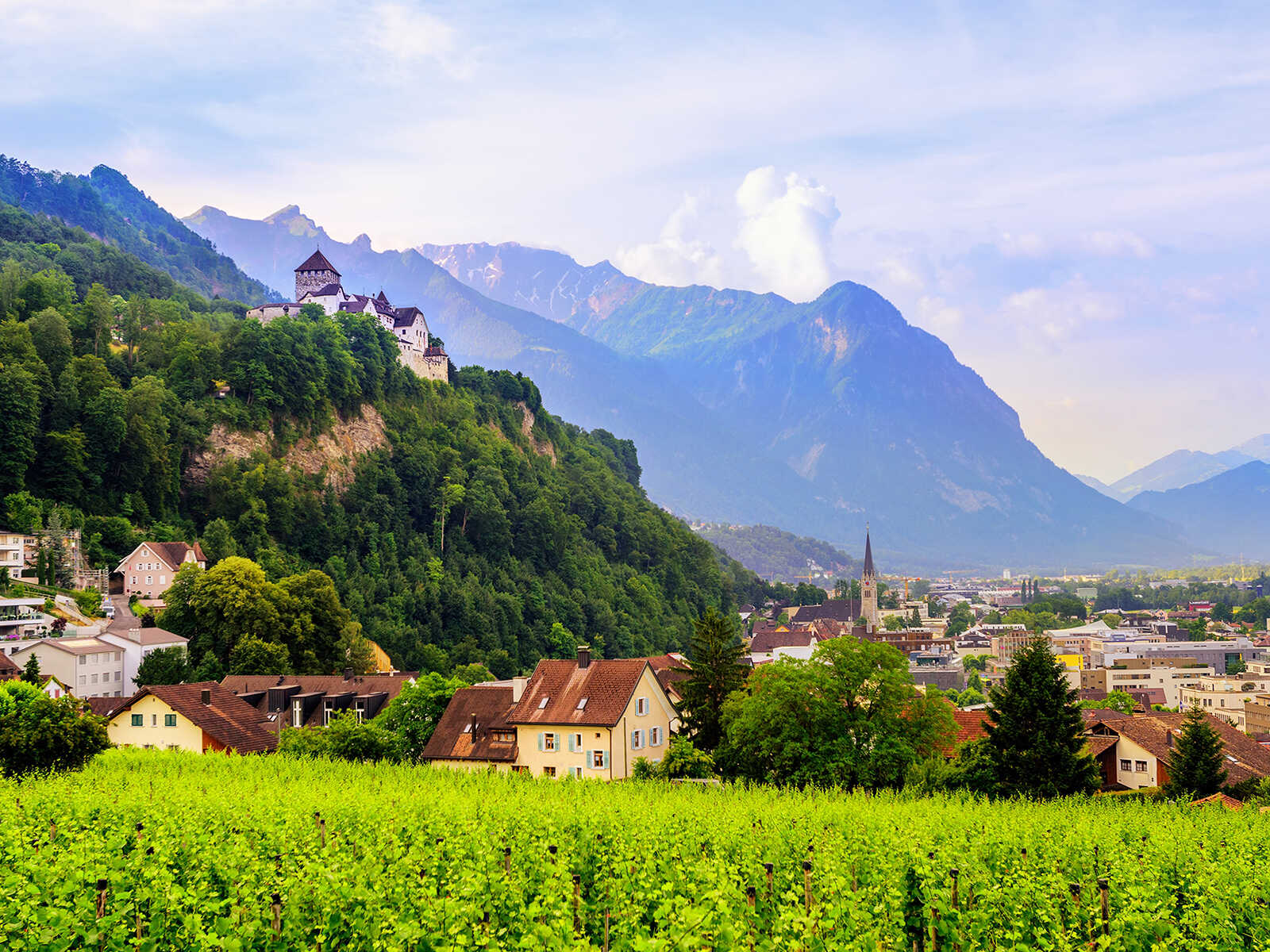
- Vaduz Castle:While not open to the public as it's the residence of the Princely Family, the castle offers a commanding presence above the town and can be admired from various viewpoints, including the path leading to the bridge.
- Landtag des Fürstentums Liechtenstein:The Parliament Building in Vaduz is an architectural highlight and worth seeing for those interested in the country's unique political structure.
- Museums:Vaduz boasts a range of museums, including the Liechtenstein National Museum and the Art Museum Liechtenstein, offering insights into the country's history, culture, and artistic heritage.
For those looking to venture further into Liechtenstein's natural beauty, destinations like Burg Gutenberg in Balzers offer another glimpse into the country's medieval past, while the challenging Fürstensteig hiking trail promises breathtaking alpine vistas for experienced hikers.
Crossing to the Swiss side, Sevelen provides a quieter, more rural experience. You can continue cycling along the Rhine or explore the small town before returning to Liechtenstein. The ability to seamlessly step from one country to another via such a historic and picturesque route is a unique highlight of any trip here.
Tips for an Unforgettable Visit
- Walk or Cycle the Rhine Path:Extend your visit by incorporating the bridge into a longer walk or bike ride along the scenic Rhine River path, which offers continuous views and pleasant routes.
- Look for the Border Stone:Don't miss the small, unassuming stone marker in the middle of the bridge that delineates the border between Liechtenstein and Switzerland. It's a great photo opportunity!
- Consider a Picnic:Pack a light picnic to enjoy by the riverbanks near the bridge, soaking in the peaceful atmosphere.
- Visit Early or Late:To avoid any potential crowds (though the bridge is rarely heavily trafficked), consider visiting in the early morning or late afternoon for a more solitary experience and beautiful light.
The Alte Rheinbrücke is more than just a historical monument; it's an experience. It offers a tangible connection to the past, a unique border crossing, and a beautiful vantage point to appreciate the natural splendor of the Alpine Rhine valley. A visit to this charming wooden bridge is an essential part of any itinerary in Liechtenstein, promising memories of a truly unique European crossing.