
Lebanon SIM Card for Tourists: Stay Connected on Your Middle Eastern Adventure
Embarking on an adventure to Lebanon promises a rich tapestry of history, culture, and stunning landscapes. To truly make the most of your journey – from navigating ancient ruins to sharing breathtaking views – a reliable internet connection and local calling ability are indispensable. This guide will walk you through everything you need to know about getting a local SIM card in Lebanon.
Why You Need a Local SIM Card in Lebanon
While relying on hotel Wi-Fi might seem sufficient, a local SIM card offers unparalleled freedom and convenience during your travels. Here's why it's a smart choice:
- Cost Savings:Avoid exorbitant international roaming charges from your home provider. Local data and call rates are significantly cheaper.
- Constant Connectivity:Access maps, translation apps, and essential travel information on the go. Whether you're finding your way to the Baalbek Roman Ruins or researching local eateries in Beirut, constant connectivity is key.
- Emergency Access:In unforeseen circumstances, being able to make local calls quickly can be crucial.
- Stay in Touch:Easily communicate with local tour guides, accommodations, or new friends you make along the way.
- Share Your Experience:Instantly upload photos and videos of the Raouche Rocks or your hike in the Shouf Biosphere Reserve with family and friends.
Mobile Network Operators in Lebanon
Lebanon's telecommunications sector is primarily served by two major mobile network operators:
- Touch:Operated by Zain, Touch is one of the leading providers offering a range of prepaid and postpaid plans. They boast extensive coverage across urban centers and many rural areas.
- Alfa:Managed by Orascom TMT, Alfa is the other dominant player in the Lebanese market. Similar to Touch, Alfa provides comprehensive coverage and various service packages tailored for different user needs.
Both operators offer competitive services, and typically, tourists will find good coverage in populated areas and along main routes. For more remote locations like the Kadisha Valley or the Cedars Of God Bsharri, coverage might be spottier, but generally sufficient for basic communication in most tourist-frequented spots.
Types of SIM Cards Available for Tourists
For short-term visitors,prepaid SIM cardsare by far the most practical and popular option. These 'pay-as-you-go' cards allow you to top up credit as needed, giving you full control over your spending.
When purchasing a prepaid SIM, you'll typically be offered packages that include a combination of:
- Data:Essential for internet browsing, social media, and navigation.
- Local Calls:Minutes for calling within Lebanon.
- SMS:Text messages, though many travelers rely on messaging apps like WhatsApp.
While eSIM technology is growing globally, physical prepaid SIM cards remain the most readily available and straightforward option for tourists in Lebanon.
Where to Buy Your Lebanon SIM Card
Securing a local SIM card is a straightforward process, and you have a few reliable options:
At Beirut-Rafic Hariri International Airport (BEY)
This is often the most convenient option for arriving travelers. Upon exiting customs at Beirut's airport, you'll likely find official kiosks or stores for both Touch and Alfa. Buying a SIM here allows you to get connected immediately upon arrival, ideal for ordering a taxi or notifying your accommodation.
Travel Tip:Purchasing your SIM at the airport ensures you're buying from an official vendor, minimizing potential issues and ensuring staff can assist with initial setup.
Official Operator Stores Across Lebanon
If you prefer to wait or didn't get a chance at the airport, you can find official Touch and Alfa stores in major cities and towns throughout Lebanon, particularly in Beirut, Tripoli, and Saida. These stores are staffed by knowledgeable personnel who can help you choose the right plan, activate your SIM, and answer any questions. Look for them in shopping malls or prominent commercial areas.
Smaller Shops and Kiosks
You might also find SIM cards available at smaller electronics shops, kiosks, or even some supermarkets. While these can be an option, it's generally recommended to stick to official stores or airport kiosks for better support and to ensure you're getting a legitimate product with proper registration.
What You'll Need to Purchase a SIM Card
To comply with local regulations, you'll need the following when buying a SIM card:
- Your Passport:This is mandatory for registration. Make sure it's valid and readily available.
- An Unlocked Smartphone:Your phone must be unlocked to accept a foreign SIM card. If you're unsure, contact your home provider before you travel.
- Payment Method:Cash (Lebanese Pounds or USD, which is widely accepted) or a credit/debit card.
Activating and Topping Up Your SIM Card
Once you've purchased your SIM, the vendor will typically assist you with the initial activation process. This usually involves inserting the SIM into your phone and registering it with your passport details.
Topping up your balance or adding more data is equally simple:
- Recharge Cards/Vouchers:These are widely available at official stores, kiosks, supermarkets, and convenience stores. You'll purchase a card with a specific amount of credit and then follow instructions (usually dialing a short code) to add it to your balance.
- Online Recharge:Both Touch and Alfa offer online portals or mobile apps where you can top up using a credit card. This is convenient if you have internet access.
- In-Store:You can always visit an official operator store to have staff assist you with topping up your account.
Essential Tips for Using Your Lebanese SIM Card
To ensure a smooth experience, keep these tips in mind:
- Monitor Data Usage:Keep an eye on your data consumption, especially if you're streaming videos or doing heavy browsing. Most phones have built-in data usage trackers.
- Network Coverage:While cities like Beirut and major tourist sites like Byblos Citadel or Our Lady of Lebanon generally have excellent coverage, signal strength can vary in mountainous or very remote areas, such as near Baatara Waterfall or Lake Qaraoun.
- Emergency Numbers:Know the local emergency numbers (e.g., 112 for police, 140 for ambulance).
- VoIP Apps:Messaging and calling apps like WhatsApp, Telegram, or Viber are widely used in Lebanon for both text and voice calls, especially to international numbers.
- Public Wi-Fi vs. Mobile Data:Be cautious when using public Wi-Fi networks in terms of security. Your mobile data connection is generally more secure for sensitive transactions.
- Before You Leave:If you have remaining credit or data, consider using it up before you depart, as it typically won't be transferable or refundable.
Staying Connected While Exploring Lebanon's Wonders
A local SIM card truly unlocks the full potential of your Lebanese adventure. Imagine seamlessly navigating to the stunning Jeita Grotto with real-time GPS, instantly sharing a panoramic photo from the Beiteddine Palace, or looking up the history of the Tyre World Heritage Site on the spot. Staying connected means less stress and more immersion in the vibrant culture and breathtaking sights of Lebanon.
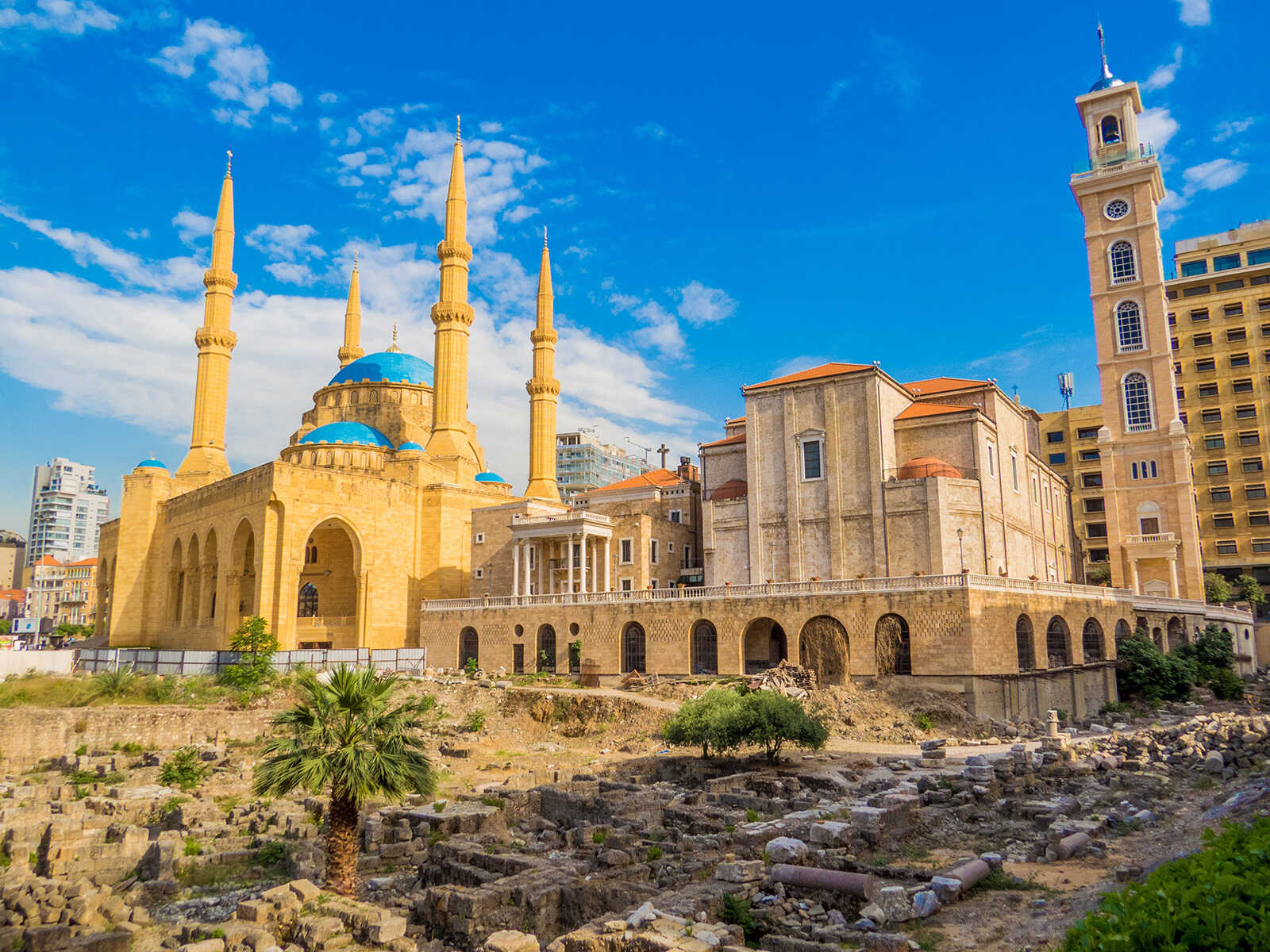
From the bustling streets of Beirut, where you might visit the Mohammad Al-Amin Mosque, to the tranquil beauty of its ancient sites and natural reserves, your Lebanese SIM card will be an invaluable companion, ensuring you're always just a tap away from information, communication, and sharing your unforgettable experiences.
With a local SIM in hand, you’re ready to explore Lebanon with confidence and ease, making every moment of your trip memorable and connected.