
Is Lebanon Safe to Visit? Traveler Safety Tips & Advice
Lebanon, a nation rich in history, culture, and breathtaking landscapes, captivates travelers with its unique blend of ancient traditions and modern vibrancy. While its past and regional dynamics often raise questions about safety, a visit to this resilient country can be an incredibly rewarding experience for the prepared and informed traveler. This guide offers practical advice and essential tips to help you navigate Lebanon safely and confidently.
Understanding Lebanon's Safety Landscape
Lebanon's reputation is often shaped by its complex geopolitical environment and internal challenges, including economic instability and occasional political unrest. However, it's crucial to understand that general tourist areas and daily life for most Lebanese often remain distinct from these broader issues. While vigilance is always recommended, many parts of the country are safe and welcoming for visitors who exercise common sense and stay informed.
The economic situation can lead to power outages and fuel shortages, which might impact daily conveniences but rarely pose direct safety threats to tourists. Understanding these local realities helps in setting realistic expectations and preparing adequately for your trip.
Current Travel Advisories and What They Mean
Before planning your trip, and periodically during your stay, consult official travel advisories from your home country's government (e.g., U.S. State Department, UK FCDO, Canadian Global Affairs). These advisories provide up-to-date information on security risks, specific areas to avoid, and general safety recommendations. While some advisories may seem cautious, they serve as a baseline for understanding potential risks and making informed decisions. Always register your travel plans with your embassy or consulate if possible.
General Safety Tips for Travelers in Lebanon
Personal Safety and Awareness
- Stay Informed:Follow local news and be aware of current events. Avoid political gatherings or demonstrations, which can escalate unexpectedly.
- Vigilance in Crowds:As in any major city, be mindful of your belongings in crowded areas like markets or public transport to prevent petty theft like pickpocketing.
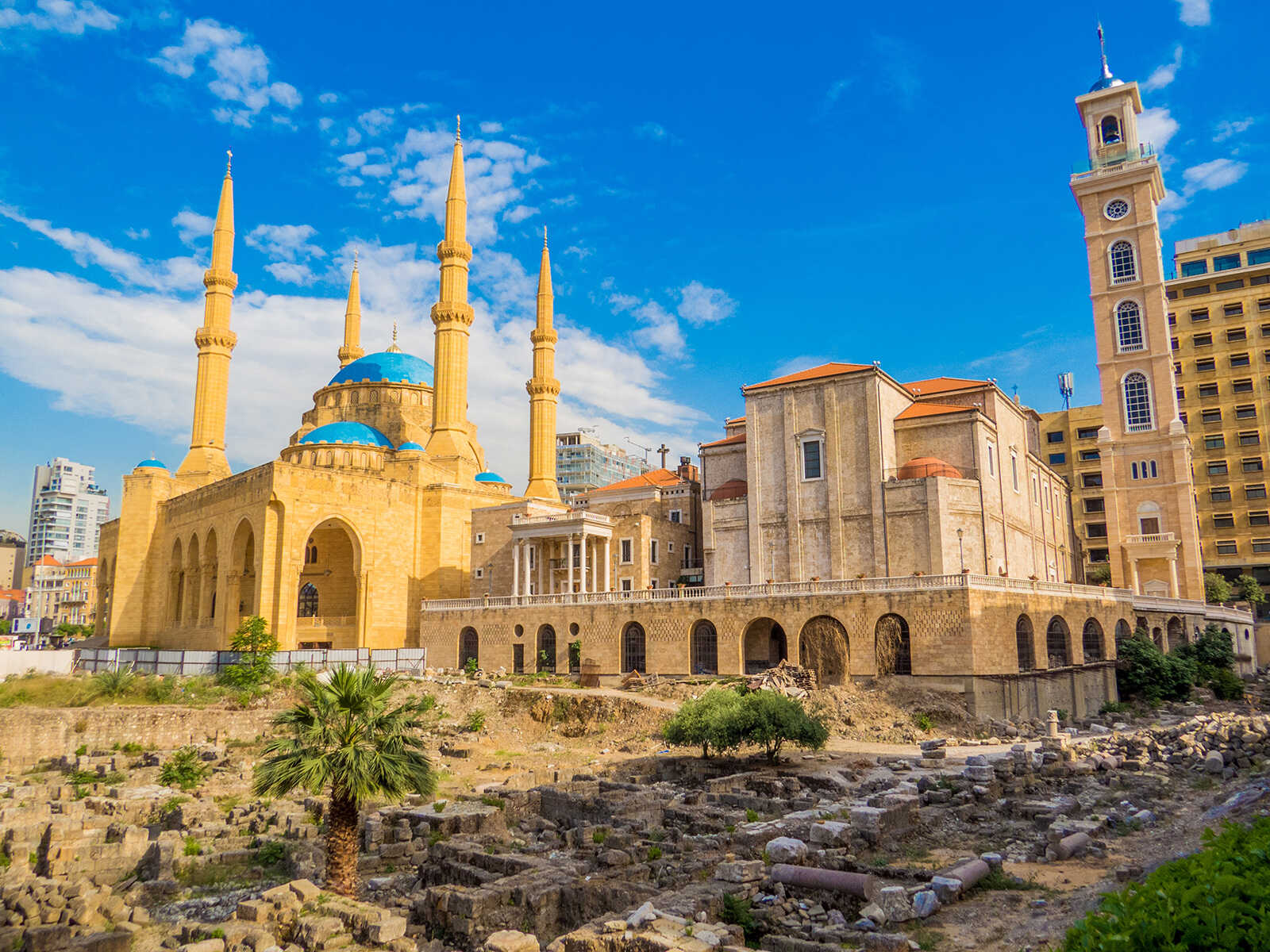
- Respect Local Customs:Dress modestly, especially when visiting religious sites such as the beautiful Mohammad Al-Amin Mosque in Beirut or the revered shrine of Our Lady of Lebanon. Politeness and respect for local traditions go a long way.
- Nightlife:Beirut has a vibrant nightlife. Exercise caution, travel in groups, and ensure you have a safe way to return to your accommodation.
Transportation Safety
- Taxis:Negotiate fares before starting your journey or use ride-hailing apps like Bolt or Uber, which offer more transparency and safety features. Avoid unmarked taxis.
- Driving:Lebanese roads can be chaotic, with aggressive driving habits and less adherence to traffic laws. If you rent a car, be an extremely cautious and defensive driver. Many travelers opt for private drivers or guided tours.
- Public Transport:While available, public buses and shared taxis (serviis) can be confusing for first-time visitors and may not cover all tourist routes efficiently.
Health and Medical Considerations
- Travel Insurance:Comprehensive travel insurance covering medical emergencies, evacuation, and trip cancellations is absolutely essential. Medical facilities, especially outside Beirut, may be limited.
- Water Safety:Drink only bottled water. Tap water is generally not safe for consumption.
- Food Hygiene:Be cautious with street food, ensuring it's freshly prepared and hot. Most restaurants maintain good hygiene standards.
- Medication:Carry any prescription medications in their original packaging, along with a doctor's note.
Financial Security
- Currency:The local currency is the Lebanese Pound (LBP), but US dollars are widely accepted and often preferred due to the fluctuating exchange rate. Carry a mix of both.
- ATMs and Cards:ATMs are available in major cities, but always be aware of your surroundings. Credit card acceptance varies, so have cash on hand. Due to the economic situation, sometimes ATMs may be empty or have withdrawal limits.
- Small Bills:It's useful to carry smaller denominations for everyday purchases and taxi fares.
Communication and Connectivity
- Local SIM Card:Purchasing a local SIM card upon arrival can be beneficial for navigation, communication, and accessing ride-hailing apps.
- Emergency Numbers:Know the local emergency numbers: Police (112), Ambulance (140), Fire (175).
Navigating Specific Regions: What You Need to Know
Beirut: The Vibrant Capital
Beirut is generally safe for tourists, offering a bustling mix of historical sites, modern architecture, and vibrant nightlife. Explore areas like Downtown Beirut, the Corniche (where you can admire the iconic Raouche Rocks), and the various districts, each with its own character. Petty crime can occur, so remain aware of your surroundings, especially in crowded markets or at night.
Travel Tip:Beirut's districts can feel like different cities. From the chic boutiques of Solidere to the bohemian vibe of Mar Mikhael, each area offers a unique experience. Use reliable navigation apps or ask locals for directions.
Coastal Cities: Byblos, Tyre, Sidon
These ancient Phoenician cities north and south of Beirut are major tourist attractions and are generally considered very safe.Byblos Citadel and the Tyre World Heritage Site offer incredible historical insights. Enjoy the relaxed atmosphere, fresh seafood, and archaeological wonders. Normal precautions against petty theft apply, but serious crime is rare.
Mountainous Regions: Chouf, Kadisha Valley
Lebanon's mountains are incredibly beautiful and popular for hiking and nature. Areas like the Shouf Biosphere Reserve, home to ancient cedar trees, the spiritual Kadisha Valley, and the majestic Cedars Of God Bsharri are safe to visit. The stunning Baatara Waterfall is another natural wonder. If hiking, inform someone of your route, carry sufficient water, and be prepared for changing weather conditions. The historic Beiteddine Palace in the Chouf region is also a must-visit and perfectly safe.
Bekaa Valley: Baalbek and Beyond
The Bekaa Valley is known for its fertile lands, wine production, and the awe-inspiring Baalbek Roman Ruins. While some parts of the Bekaa Valley have historically been more sensitive due to regional dynamics, major tourist sites like Baalbek are regularly visited by travelers and are generally safe. It's often recommended to visit with a reputable tour company or local guide for peace of mind. The scenic Lake Qaraoun is also located in this region.
Border Areas
It is strongly advised to avoid all travel to areas near the borders with Syria and Israel, as these regions are subject to heightened military activity and political tensions. Always stick to established tourist routes and heed any local warnings or official advisories.
Cultural Nuances and Local Customs
Lebanon is a mosaic of different religious and cultural communities. Showing respect for these differences is paramount. While Lebanese people are generally very hospitable and accustomed to tourists, understanding a few key customs can enhance your experience:
- Hospitality:Lebanese people are renowned for their hospitality. Don't be surprised if locals offer you coffee or insist on helping you.
- Greetings:A handshake is common. Between men and women, wait for the woman to extend her hand first.
- Photography:Always ask permission before photographing individuals, especially in rural areas or near religious sites.
- Political Discussions:Avoid engaging in political discussions with strangers. It's a sensitive topic, and views can be deeply held.
Fun Fact:Lebanese hospitality is so ingrained that it's common for hosts to offer an abundance of food, often insisting guests eat more. It's considered a sign of generosity and respect!
What to Do in an Emergency
Despite all precautions, emergencies can happen. Being prepared can make a significant difference:
- Contact Your Embassy:Have your country's embassy or consulate contact information readily available.
- Emergency Numbers:Know the local emergency services: Police (112), Ambulance (140), Fire (175).
- Travel Insurance:Keep your travel insurance policy details and emergency contact numbers easily accessible. They can assist with medical evacuation or other critical situations.
- Stay Calm:In an emergency, try to remain calm and clearly communicate your situation to authorities or your embassy.
Final Thoughts: Is Lebanon Right for You?
Lebanon is a country of incredible resilience, beauty, and warmth, offering a rich tapestry of experiences from ancient ruins to vibrant city life and stunning natural wonders like the Jeita Grotto. While it faces ongoing challenges, with proper preparation, awareness, and respect for local customs, many parts of Lebanon are safe and deeply rewarding for international travelers. By staying informed, exercising caution, and embracing the renowned Lebanese hospitality, you can have an unforgettable journey through this captivating corner of the Middle East.
Ultimately, the decision to visit Lebanon is a personal one. For those who choose to embark on this adventure, the rewards of discovering its rich history, diverse culture, and welcoming people far outweigh the perceived risks, making it an experience unlike any other.