
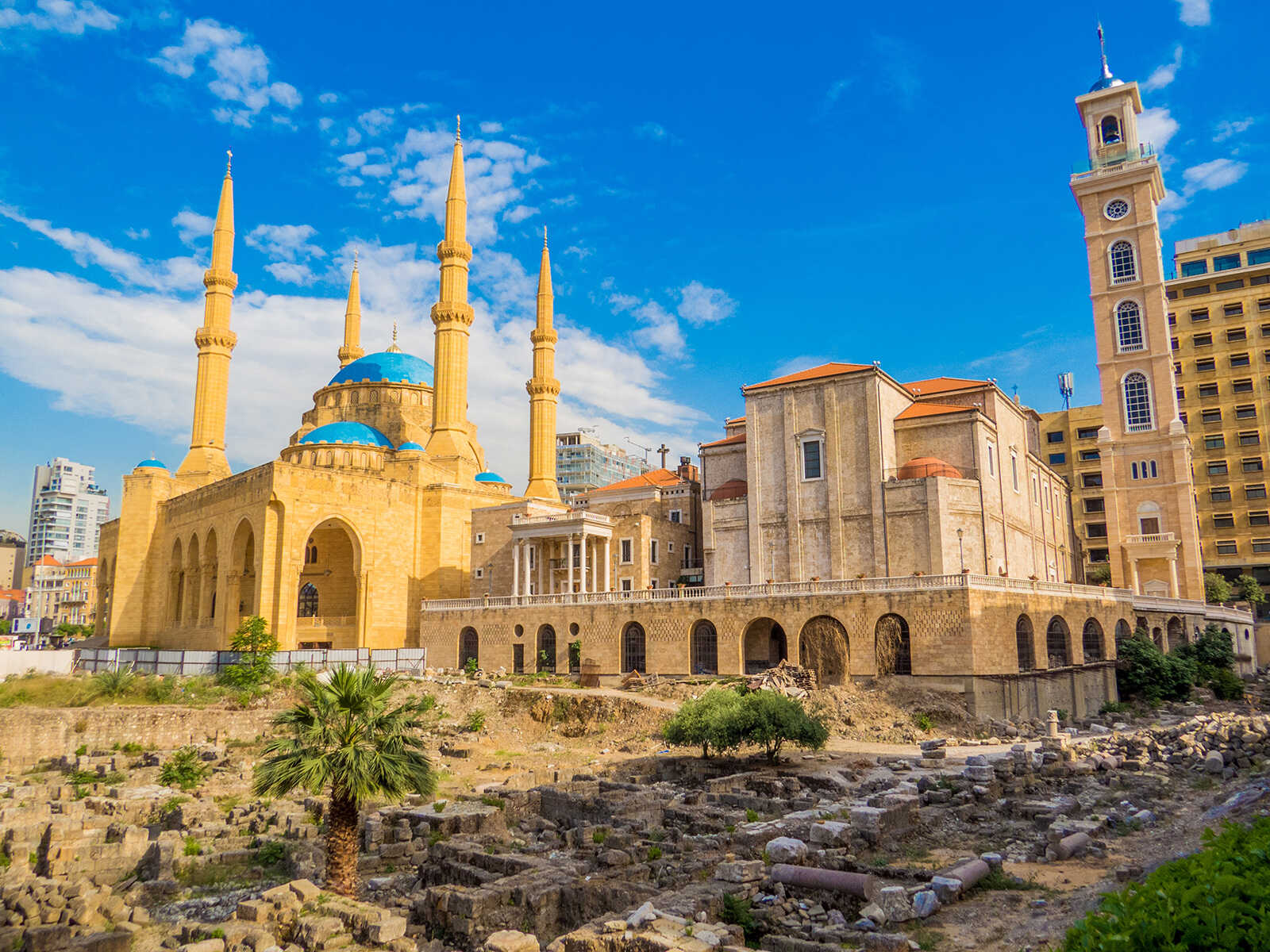
Day Trip to Byblos from Beirut: Ultimate Guide to the Ancient City
Embark on an unforgettable journey back in time with a day trip to Byblos, one of the oldest continuously inhabited cities in the world. Just a short drive north of Beirut, this UNESCO World Heritage site offers a fascinating glimpse into millennia of human history, from ancient Phoenician origins to Crusader strongholds.
Why Byblos is a Must-Visit from Beirut
Byblos, known locally as Jbeil, is a treasure trove of archaeological wonders, picturesque landscapes, and vibrant culture. Its strategic coastal location has made it a crucial port and cultural crossroads for thousands of years, giving rise to its legendary status as the birthplace of the Phoenician alphabet. A visit here provides a captivating blend of historical exploration, charming old-world atmosphere, and delightful seaside experiences, making it an ideal escape from the bustling capital.
Getting to Byblos from Beirut
Reaching Byblos from Beirut is straightforward, offering several convenient transportation options:
- Shared Taxis (Serviis):A common and affordable way to travel. Head to the Cola intersection or Charles Helou bus station in Beirut and look for taxis heading north to Jbeil. Confirm the fare before departing.
- Buses:Regular public buses operate from the Charles Helou bus station, offering a budget-friendly option. While slower, they provide a local experience.
- Private Car/Taxi:For convenience and flexibility, hiring a private car or taxi for the day is an excellent choice. This allows you to set your own pace and potentially combine your trip with other nearby attractions like Jeita Grotto or Our Lady of Lebanon.
- Rental Car:If you're comfortable driving in Lebanon, renting a car offers maximum independence. The drive along the coastal highway is scenic and takes approximately 45-60 minutes, depending on traffic.
Unearthing Byblos: What to See and Do
Byblos packs an incredible amount of history and charm into a compact area, making it perfect for exploration on foot.
The Byblos Archaeological Site
This is the heart of your visit. The archaeological site is a layered testament to Byblos's enduring legacy, revealing remnants from various civilizations that have called this place home. As you wander through the excavated ruins, you'll uncover:
- Neolithic Huts:Evidence of some of the earliest settlements.
- Chalcolithic Tombs:Stone-lined burial chambers.
- Temple of the Obelisks:A Bronze Age temple dedicated to Resheph, the Canaanite god of war.
- Phoenician Royal Tombs:The final resting places of Byblos's ancient kings, where the sarcophagus of King Ahiram, bearing one of the earliest known examples of the Phoenician alphabet, was discovered.
- Roman Theater:A beautifully preserved amphitheater offering stunning views of the Mediterranean Sea.
- Crusader Castle Foundations:Parts of the castle built atop earlier structures.
Fun Fact:Byblos is believed to be the origin of the word "Bible." The city was a major hub for papyrus trade, which the Greeks called "byblos," eventually leading to the word for their sacred texts.
Byblos Crusader Castle
Dominating the archaeological site and offering panoramic views, the Byblos Citadel(also known as the Crusader Castle) is a must-explore. Built by the Crusaders in the 12th century using stones from earlier Roman and Phoenician structures, it provides a fascinating insight into medieval military architecture. Climb to the top for breathtaking vistas of the ancient city, the modern town, and the shimmering coastline.
The Old Souk (Market)
Step away from the ruins and into the vibrant Byblos Old Souk. This charming pedestrian market is a labyrinth of stone-paved alleys lined with traditional shops. Here, you can browse for local crafts, souvenirs, traditional Lebanese jewelry, spices, and unique gifts. It's a perfect place to soak in the local atmosphere and find a memento of your trip.
The Old Port
The picturesque Old Port of Byblos is a postcard-perfect scene. Adorned with colorful fishing boats gently swaying in the water, it’s a wonderful spot for a leisurely stroll, a refreshing drink at one of the seaside cafes, or a delicious seafood meal. The ancient lighthouse stands guard, adding to the timeless charm.
Saint John-Marc Cathedral
Located near the Old Souk, the Saint John-Marc Cathedral is an impressive Crusader-era church. Dating back to the 12th century, it's one of the oldest churches in Lebanon and features beautiful Romanesque architecture. Take a moment to admire its historical significance and tranquil interior.
Byblos Fossil Museum
For a unique diversion, visit the Byblos Fossil Museum. This small but fascinating museum showcases an impressive collection of fossilized marine life, including fish, sharks, and various crustaceans, some dating back millions of years, discovered in the nearby mountains. It's a testament to Lebanon's rich geological past.
Dining in Byblos
Byblos offers a delightful culinary experience, particularly known for its fresh seafood. Along the Old Port, you'll find numerous restaurants serving traditional Lebanese dishes and a variety of freshly caught fish. Many establishments offer outdoor seating with stunning sea views, perfect for a leisurely lunch or an early dinner before heading back to Beirut.
Suggested Day Trip Itinerary
To make the most of your day trip, consider this suggested itinerary:
- Morning (9:00 AM - 1:00 PM):Arrive in Byblos. Begin your exploration at the Byblos Archaeological Site, taking your time to wander through the ruins and climb the Byblos Citadel for panoramic views.
- Lunch (1:00 PM - 2:30 PM):Head to the Old Port for a relaxing seafood lunch at one of the waterfront restaurants.
- Afternoon (2:30 PM - 5:00 PM):Explore the charming Old Souk, browse for souvenirs, and visit the Saint John-Marc Cathedral. If time permits, discover the fascinating exhibits at the Byblos Fossil Museum.
- Late Afternoon (5:00 PM onwards):Enjoy a final stroll along the port, perhaps with a coffee, before making your way back to Beirut.
Tips for Your Visit
- Best Time to Visit:Spring (April-May) and Fall (September-October) offer pleasant weather, avoiding the summer heat and winter rains.
- Comfortable Shoes:You'll be doing a lot of walking over uneven terrain at the archaeological site, so comfortable footwear is essential.
- Sun Protection:The archaeological site is open and exposed. Bring a hat, sunglasses, and sunscreen, especially during warmer months.
- Hydration:Carry water, particularly if visiting during summer.
- Guided Tours:Consider hiring a local guide at the entrance to the archaeological site to gain deeper insights into Byblos's complex history.
- Combine Your Trip:If you have extra time and a private car, consider combining your Byblos trip with a visit to the stunning Jeita Grotto or the iconic statue of Our Lady of Lebanon in Harissa, both located south of Byblos on the way back to Beirut.
Conclusion
A day trip to Byblos from Beirut is more than just a visit; it's an immersive journey through the annals of time. From its ancient Phoenician roots to its Crusader legacy and vibrant modern charm, Byblos offers a unique and enriching experience that truly encapsulates the diverse history and beauty of Lebanon. Prepare to be captivated by its stories, enchanted by its scenery, and leave with a profound appreciation for one of the world's most enduring cities.