
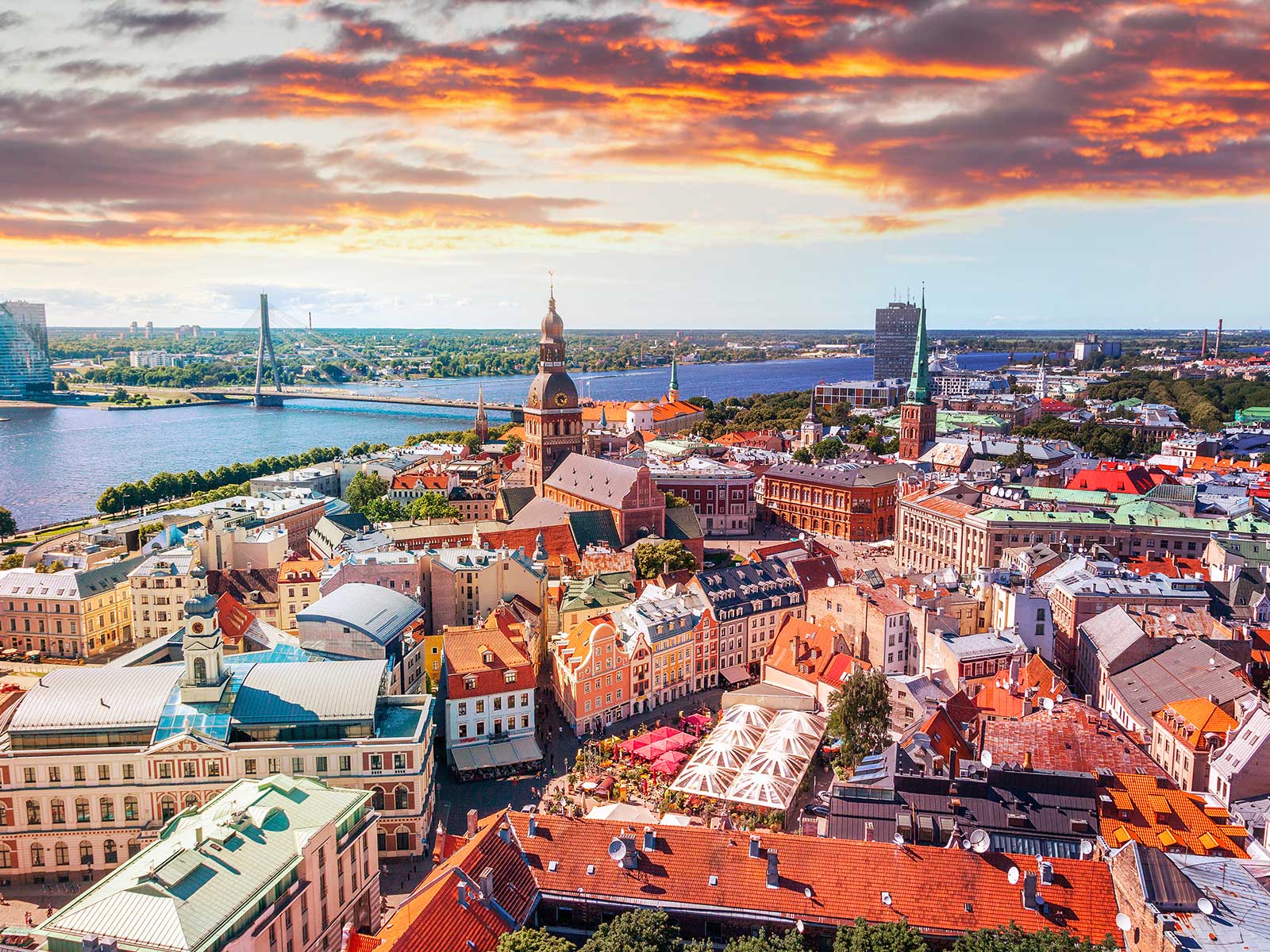
Latvian Folk Traditions and Festivals: Experiencing Local Life
Latvia, a land deeply rooted in ancient customs and a profound connection to nature, offers visitors a unique opportunity to delve into its vibrant folk traditions and lively festivals. From the mystical Midsummer celebrations to the captivating rhythms of the Song and Dance Festival, engaging with local life provides an authentic glimpse into the nation's soul. Prepare to be enchanted by a culture rich in heritage, hospitality, and heartfelt expression.
The Roots of Latvian Folk Culture
Latvian folk culture is inextricably linked to the country's ancient pagan past and its agrarian lifestyle. Before Christianity arrived, Latvians worshipped nature deities, celebrated seasonal cycles, and passed down wisdom through generations via an incredible oral tradition. This heritage is most profoundly expressed inDainas– short, four-line folk songs encompassing everything from daily life and work to mythology, ethics, and celebrations. These songs, often accompanied by traditional instruments like thekokle(a zither-like string instrument), remain a cornerstone of Latvian identity.
Key Folk Traditions and Practices
Understanding the daily traditions helps appreciate the larger festivals.
Traditional Crafts
Latvian craftsmanship is renowned for its beauty and practicality. Visitors can explore a rich variety of handmade goods, often imbued with symbolic meaning:
- Pottery:Distinctive glazed ceramics, especially from the Latgale region.
- Weaving:Elaborate textiles, including blankets, sashes, and intricate patterns on clothing, often featuring ancient symbols.
- Amber:Latvia is on the Baltic Sea, making amber jewelry a significant craft.
- Woodworking:Carved spoons, bowls, and decorative items.
- Knitwear:Warm mittens and socks with complex, colorful designs.
You can often find these crafts at local markets, particularly in places like Old Town Riga, or at artisan workshops throughout the country.
Folk Costumes
Latvian folk costumes are not mere outfits; they are intricate works of art reflecting regional identity, social status, and historical periods. Each costume tells a story through its embroidery, patterns, and accessories. While primarily seen during festivals, these vibrant garments symbolize a deep connection to heritage and are a source of immense national pride.
Music and Dance
Music and dance are at the heart of Latvian folk life. Beyond theDainasand thekokle, traditional dances range from lively circle dances to more intricate partner dances, often performed with energetic footwork and colorful costumes. Many towns, including Cesis and Kuldiga, host folk dance groups and concerts where you can witness these captivating performances.
Sauna Culture (Pirts)
The Latvianpirts(sauna) is more than just a bath; it's a ritualistic cleansing experience deeply ingrained in folk tradition. Often involving bundles of birch, oak, or other fragrant branches (pirtsslotas) used to gently beat the skin, herbal infusions, and periods of cooling off, thepirtsis believed to purify both body and spirit.
Major Latvian Festivals to Experience
Latvian festivals are vibrant expressions of national identity, often blending ancient pagan rituals with modern celebrations.
Jāņi (Midsummer/Summer Solstice)
Undoubtedly the most important and widely celebrated festival, Jāņi (St. John's Day) marks the summer solstice around June 23-24. It's a time when Latvians flock to the countryside to celebrate the shortest night of the year with ancient rituals. Key traditions include:
- Bonfires:Lighting large bonfires and jumping over them for good luck and purification.
- Wreaths:Women weave flower wreaths (vainagi) and men wear oak leaf crowns (Jāņu vainags).
- Singing and Dancing:Traditional Jāņi songs (līgo dziesmas) are sung throughout the night.
- Fern Blossom:The mythical search for the elusive fern blossom, believed to bring great fortune.
Experiencing Jāņi in a rural setting, perhaps near Gauja National Park, offers the most authentic and unforgettable experience.
Travel Tip:If visiting during Jāņi, embrace the local customs! Wear flowers, sing along, and don't be shy to try traditional foods like Jāņu siers (caraway cheese).
Dziesmu un Deju svētki (Song and Dance Festival)
This monumental festival, held every five years, is a UNESCO Masterpiece of the Oral and Intangible Heritage of Humanity. Thousands of singers and dancers from all over Latvia converge in Riga for a week-long celebration of choral music and folk dance. It's a breathtaking display of national unity and artistic talent, culminating in a grand concert that resonates with deep emotion and pride. Planning a trip during this event requires booking well in advance, but the experience is truly unparalleled.
Mārtiņdiena (St. Martin's Day)
Celebrated in November, Mārtiņdiena marks the end of the harvest season and the beginning of winter. Historically, it was a time for feasting, especially on goose, and predicting the coming winter's weather. Mumming (ķekatas) traditions are also common, where masked figures visit homes to bring blessings and ward off evil spirits.
Lieldienas (Easter)
Latvian Easter retains many ancient spring rituals. Swings are erected, as swinging is believed to encourage a good harvest and ward off mosquitoes. Egg decorating and egg rolling competitions are popular, symbolizing new life and fertility. Traditional foods include dyed eggs and pea dishes.
Ziemassvētki (Christmas)
Though now a Christian holiday, Latvian Christmas (Ziemassvētki) still incorporates ancient pagan traditions. Log pulling (bluķa vilkšana), where a decorated log is pulled through the village and then burned to dispel misfortunes of the past year, is a unique ritual. Mumming (ķekatasorbudēļi) also features prominently, with costumed figures visiting homes to bring good wishes.
Where to Experience Latvian Folk Life
While festivals offer concentrated experiences, you can encounter Latvian folk life year-round:
- Latvian Ethnographic Open-Air Museum:Located just outside Riga, this expansive museum showcases traditional Latvian farmsteads and villages, offering a fantastic insight into historical rural life, crafts, and architecture.
- Local Markets:Explore the central markets in Old Town Riga,Liepaja,Cesis, or Kuldiga for local produce, crafts, and a feel for everyday life.
- Rural Guesthouses:Staying in a countryside guesthouse, especially during Jāņi, can provide an immersive experience with local traditions and hospitality.
- Cultural Events:Check local tourism boards for smaller folk concerts, craft workshops, or traditional dance performances in various towns.
Tips for Engaging with Local Traditions
To make the most of your cultural journey in Latvia:
- Be Respectful:Always observe and participate respectfully.
- Try Local Foods:Don't shy away from traditional dishes; they are an integral part of the culture.
- Learn Basic Phrases:A simple "Labdien" (hello) or "Paldies" (thank you) can go a long way.
- Participate if Invited:If locals invite you to join a dance or sing a song, embrace the opportunity!
- Dress Appropriately:For church visits or formal cultural events, modest attire is appreciated.
Latvia's folk traditions and festivals offer a profound and enriching travel experience, inviting you to connect with a timeless culture that celebrates nature, community, and heritage. By stepping off the beaten path and engaging with these local expressions, you'll gain a deeper appreciation for this captivating Baltic nation.