
Latvian Culture and Traditions: A Traveler's Essential Guide
Embark on a journey to Latvia and discover a rich tapestry of culture, deeply rooted in ancient traditions and a profound connection to nature. This guide offers travelers an essential insight into the customs, festivals, and everyday life that shape this captivating Baltic nation.
A Glimpse into Latvian History and Identity
Latvia's cultural identity is a testament to its resilient history. For centuries, the land was a crossroads of empires, influenced by Baltic tribes, Livonians, Germans, Swedes, and Russians. Despite these various rules, the Latvian people fiercely preserved their language, folklore, and customs, which form the bedrock of their national pride today.
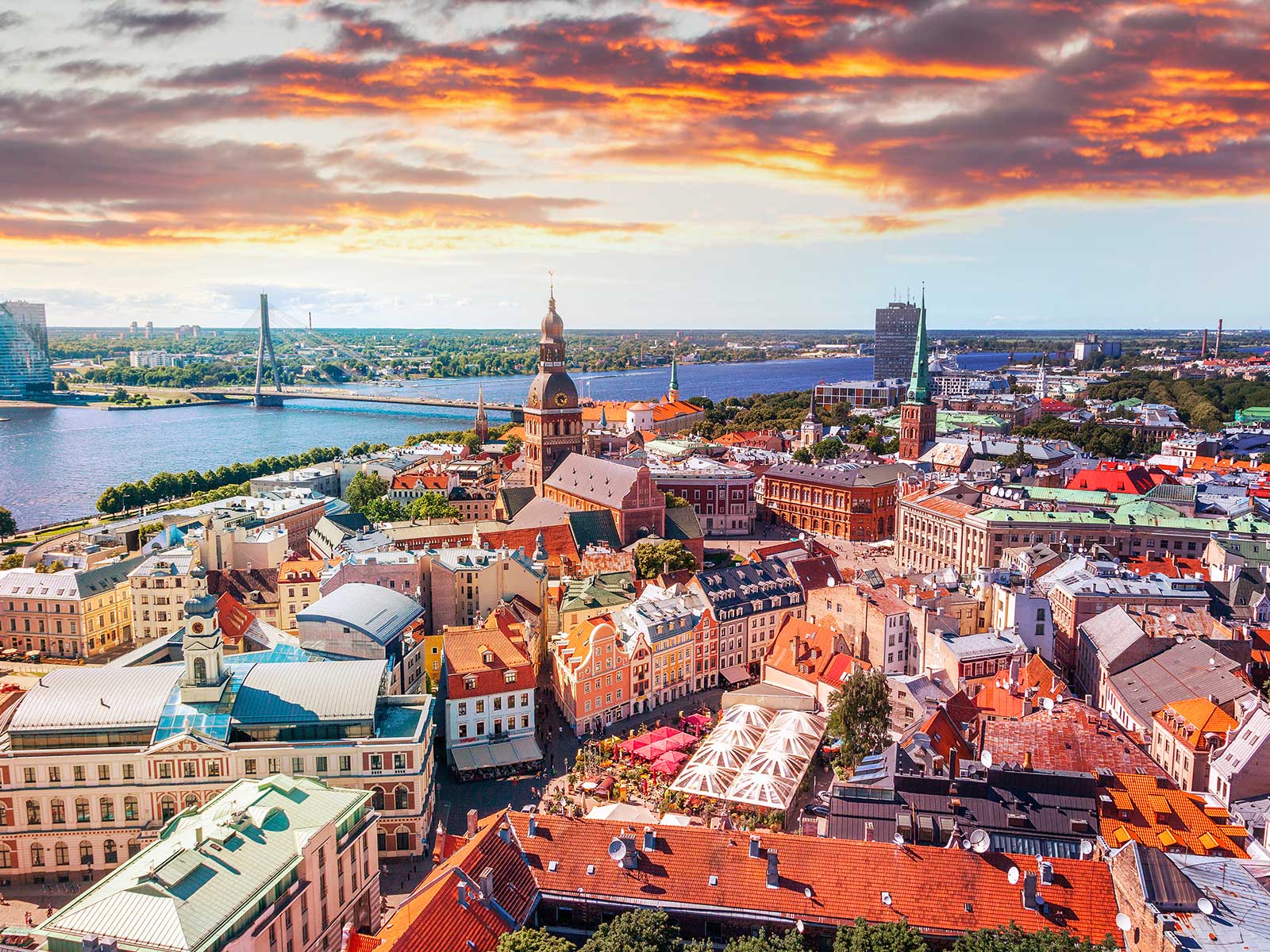
The spirit of independence, regained in 1918 and reasserted in 1991, runs deep. The peaceful "Baltic Way" human chain in 1989, protesting Soviet occupation, powerfully demonstrates the Latvian commitment to freedom and self-determination. Visitors to Old Town Riga can still feel the echoes of this enduring spirit in its historic architecture and vibrant cultural scene.
Language: The Heart of Latvian Identity
Latvian (Latviešu valoda) is one of the oldest surviving Indo-European languages and, along with Lithuanian, belongs to the Baltic language group. It is a unique and poetic language, full of diminutives and nuanced expressions. While many Latvians, especially in urban areas, speak English and Russian, learning a few basic phrases in Latvian will be greatly appreciated:
- Labdien!(Lahb-dee-en!) – Hello! (Good day!)
- Paldies!(Pahl-dee-ess!) – Thank you!
- Lūdzu!(Loo-dzoo!) – Please!/You're welcome!
- Uz redzēšanos!(Ooz red-zeh-shah-nohs!) – Goodbye!
Festivals and Celebrations: Marking the Seasons
Latvian life is punctuated by vibrant festivals, many of which are deeply connected to ancient pagan traditions and the changing seasons. These celebrations offer a fantastic opportunity to experience authentic Latvian culture.
Jāņi (Midsummer)
The most important and widely celebrated holiday is Jāņi(Midsummer or St. John's Day), observed on June 23rd and 24th. This ancient pagan festival celebrates the summer solstice, fertility, and the longest day of the year. Traditions include:
- Weaving flower wreaths (for women) and oak leaf crowns (for men).
- Lighting bonfires and jumping over them for good luck and purification.
- Singing traditional folk songs (Līgo songs) through the night.
- Eating caraway cheese and drinking beer.
- Searching for the mythical fern flower, believed to bring good fortune.
Many Latvians head to the countryside or coastal areas like Liepaja to celebrate Jāņi with family and friends.
Christmas and Easter Traditions
While Christian holidays, Latvian Christmas (Ziemassvētki) and Easter (Lieldienas) retain unique local customs, often blending with older pagan beliefs. Christmas involves family gatherings, traditional meals, and gift-giving, while Easter sees egg decorating, egg rolling games, and swinging on large swings to bring good harvests.
Other Cultural Events
Beyond seasonal festivities, Latvia hosts numerous cultural events. The Latvian Song and Dance Festival, held every five years, is a UNESCO-recognized masterpiece of intangible cultural heritage, uniting thousands of performers in a breathtaking display of national pride. Various towns, including Cesis and Kuldiga, also host local festivals throughout the year, showcasing regional traditions, crafts, and music.
Folklore, Crafts, and Artistic Expression
Latvian culture is richly expressed through its folklore, traditional crafts, and vibrant arts scene.
Dainas: Ancient Wisdom
At the heart of Latvian folklore are theDainas– short, four-line folk songs that encapsulate centuries of wisdom, myths, and observations on life, nature, and human experience. There are hundreds of thousands of Dainas, passed down through generations, reflecting the Latvian soul.
"The Dainas are not just songs; they are a living archive of our ancestors' thoughts, ethics, and deep connection to the land."
Traditional Crafts
Latvian craftsmanship is renowned for its beauty and intricate detail. Visitors can find exquisite examples of:
- Amber jewelry:Known as "Baltic gold," amber has been traded and crafted in Latvia for millennia.
- Linen textiles:Hand-woven linens, often adorned with traditional geometric patterns, are both practical and beautiful.
- Pottery:Earthy ceramics, especially from the Latgale region, often feature unique glazes and designs.
- Wood carving:Intricate carvings can be found on household items, decorations, and even architectural elements.
Music and Dance
Music is integral to Latvian life. Thekokle, a zither-like string instrument, is the national instrument, producing a hauntingly beautiful sound. Traditional folk dancing, with its colorful costumes and lively steps, is a common sight at festivals and cultural events.
Cuisine: A Taste of Latvia
Latvian cuisine is hearty, wholesome, and deeply influenced by its agricultural heritage and climate. Expect seasonal ingredients, simple preparations, and comforting flavors.
Hearty Staples
Rye bread (rupjmaize) is a staple, often served with butter or a variety of spreads. Potatoes, pork, and various dairy products are common. Popular dishes include:
- Pelēkie zirņi ar speķi:Grey peas with bacon and onions, a quintessential comfort food.
- Sklandrausis:A sweet or savory rye flour tart with potato and carrot filling, traditionally from Kurzeme.
- Karbonāde:Breaded pork cutlet, a common main course.
- Pīrāgi:Small, savory pastries filled with bacon and onion.
Seasonal Delights
Summers bring an abundance of fresh berries, mushrooms, and vegetables, often foraged from forests, especially around areas like Gauja National Park. The Baltic Sea provides fresh fish, often smoked or pickled. Winter cuisine focuses on preserved foods, root vegetables, and rich stews.
Beverages
Latvians enjoy a variety of beverages, including kvass (a fermented rye bread drink), birch sap in spring, and a strong beer culture. The Riga Black Balsam, a traditional herbal liqueur, is a unique and potent local specialty.
Etiquette and Social Norms: Navigating Latvian Society
Understanding local customs can enhance your travel experience and show respect for Latvian culture.
Politeness and Greetings
Latvians are generally reserved but polite. A firm handshake is common for introductions. Eye contact is appreciated. While direct, they tend to be less expressive with strangers than some other cultures. Use "Lūdzu" and "Paldies" frequently.
Punctuality and Personal Space
Punctuality is generally valued, especially for formal appointments. For social gatherings, a slight delay might be acceptable, but it's best to be on time. Latvians appreciate personal space; avoid overly familiar gestures with people you don't know well.
Gifts and Hospitality
If invited to a Latvian home, it's customary to bring a small gift, such as flowers (avoiding even numbers, which are for funerals), chocolates, or a bottle of wine. Remove your shoes upon entering a home unless explicitly told otherwise.
Nature and the Latvian Soul
The Latvian identity is inextricably linked to its pristine natural environment. Forests cover almost half the country, dotted with thousands of lakes and rivers, leading to the beautiful Baltic Sea coast.
Forests, Lakes, and the Baltic Sea
Spending time in nature is a cherished pastime. Activities like mushroom and berry picking, hiking in national parks like Gauja National Park, or enjoying the coastal beauty of Liepaja are deeply ingrained in the culture. The changing seasons bring distinct beauty, from spring's awakening to winter's serene snowy landscapes.
Traditional Wellness
Thepirts(Latvian sauna) is more than just a bath; it's a ritualistic experience involving steam, whisking with birch or oak branches (pēršanās), and often a dip in cold water. It's considered a vital part of physical and spiritual wellness.
Where to Experience Latvian Culture
To truly immerse yourself in Latvian culture, explore beyond the capital:
- Old Town Riga:Wander through UNESCO-listed streets, visit museums showcasing Latvian art and history, and enjoy the vibrant cafe culture.
- Rundale Palace:Experience the grandeur of Latvia's "Versailles," a magnificent Baroque palace offering insight into historical nobility and craftsmanship.
- Gauja National Park:Explore ancient castles (like Turaida Museum Reserve near Sigulda, or Cesis Castle), hike through forests, and connect with Latvia's natural and historical landscape.
- Kuldiga:Discover one of Latvia's most charming towns, known for its well-preserved wooden architecture and the unique Venta Rapid, Europe's widest waterfall.
- Liepaja:Known as Latvia's "music capital," Liepaja offers a vibrant arts scene, beautiful beaches, and a unique maritime history.
- Tervete Nature Park:A magical forest park inspired by Latvian fairy tales, perfect for families and those interested in folklore.
Latvian culture is a captivating blend of ancient pagan roots, resilient historical survival, and a deep appreciation for nature and community. By understanding and respecting these traditions, travelers can gain a profound and enriching experience in this beautiful Baltic gem.