
Is Riga Worth Visiting? An Honest Traveler's Review
Riga, the vibrant capital of Latvia, often captures the imagination with its stunning architecture, rich history, and dynamic cultural scene. But beyond the beautiful photos, does this Baltic gem truly live up to the hype? We offer an honest traveler's perspective to help you decide if Riga should be your next European adventure.
First Impressions of Riga: The Jewel of the Baltics
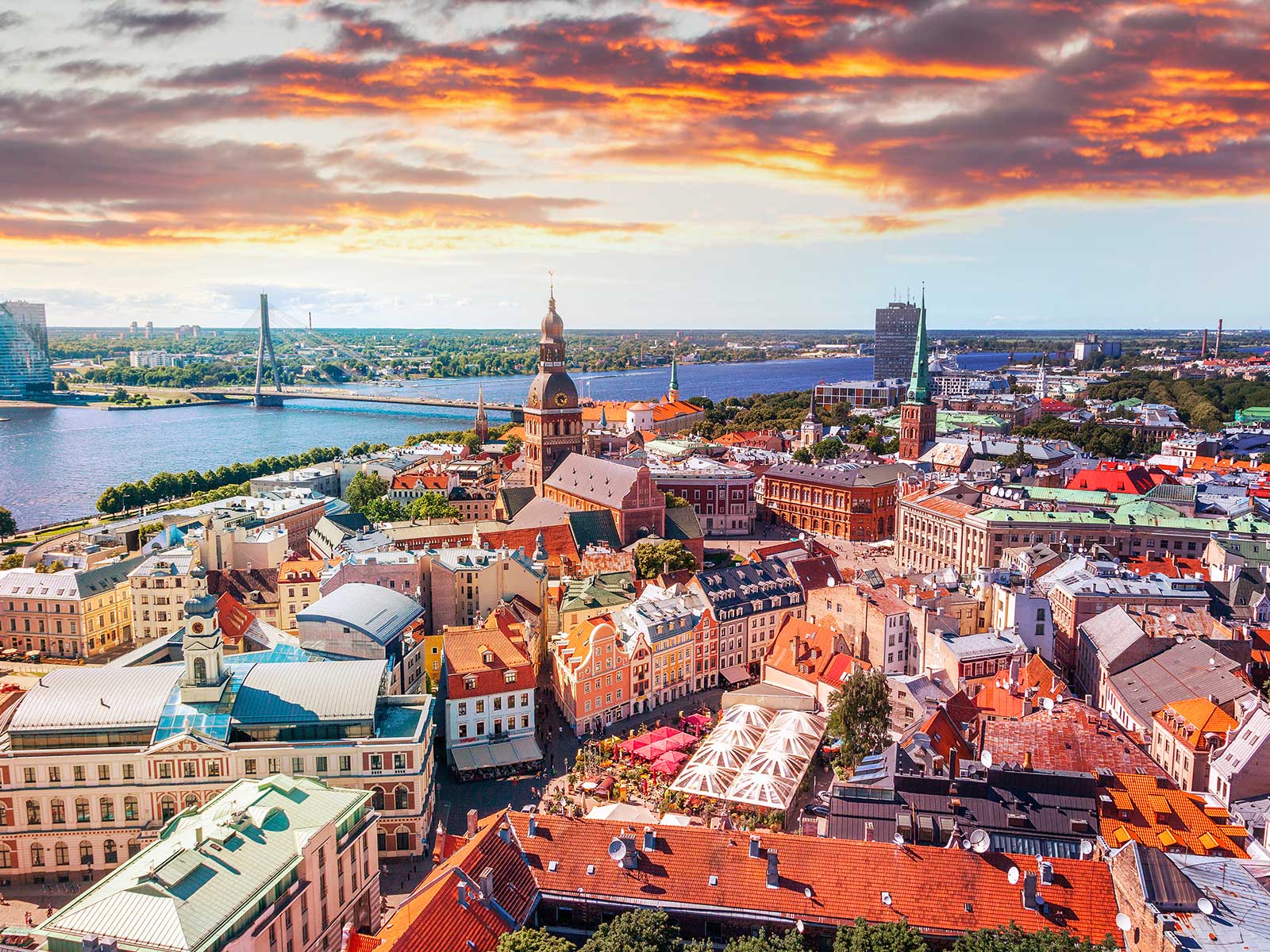
Stepping into Riga, one is immediately struck by a captivating blend of old and new. The city center, particularly its historic core, feels like a living museum, yet it pulses with modern energy. It's a place where cobblestone streets lead to bustling cafes and medieval spires overlook contemporary art galleries.
Many visitors gravitate straight to Old Town Riga, a UNESCO World Heritage site, and for good reason. Its narrow alleys, colorful merchant houses, and grand squares evoke centuries of history. While undeniably picturesque, Riga is more than just its historic center; it's a city that continuously reveals new layers, from its unique Art Nouveau district to its vast Central Market.
Exploring Riga's Charms: What to See and Do
Riga offers a remarkable array of attractions that cater to diverse interests. Whether you're a history buff, an architecture enthusiast, or a foodie, the city has something compelling to offer.
Architectural Wonders
The city is globally renowned for its exceptional collection of Art Nouveau buildings. Strolling through areas like Alberta Street and Elizabetes Street is like walking through an open-air museum of this flamboyant architectural style. Intricate facades, mythical figures, and vibrant ornamentation adorn nearly every building, showcasing the city's prosperity at the turn of the 20th century.
Traveler's Tip:Don't just look up! Many Art Nouveau buildings feature stunning details at street level, including ornate doorways and window frames. Consider a guided walking tour to fully appreciate the symbolism and stories behind these architectural masterpieces.
Beyond Art Nouveau,Old Town Riga presents a tapestry of Gothic, Baroque, and Renaissance styles. Key landmarks include the House of the Blackheads, Riga Cathedral, and St. Peter's Church, which offers panoramic views from its spire.
Historical and Cultural Insights
Riga's history is complex and fascinating, influenced by various powers over centuries. The Museum of the Occupation of Latvia provides a sobering look at the country's 20th-century struggles under Soviet and Nazi regimes. For a deeper dive into Latvian folklore and traditions, the Latvian Ethnographic Open-Air Museum, though a short bus ride away, offers a wonderful glimpse into rural life.
Culinary Delights and Markets
No visit to Riga is complete without exploring the Riga Central Market, housed in former German Zeppelin hangars. This bustling market is a sensory feast, offering everything from fresh produce, meats, and cheeses to local delicacies like smoked fish, rye bread, and traditional Latvian pastries. It's an excellent place to sample local flavors and observe daily life.
Riga's culinary scene extends beyond the market, with a growing number of innovative restaurants offering modern Latvian cuisine, alongside charming cafes and international eateries. From hearty potato dishes to delicate desserts, the food here is both comforting and surprisingly diverse.
Vibrant Nightlife and Arts Scene
As the largest city in the Baltics, Riga boasts a lively nightlife, especially in and around the Old Town Riga. From cozy pubs serving local craft beers to trendy cocktail bars and vibrant nightclubs, there's an option for every preference. The city also has a strong arts scene, with numerous theaters, concert halls, and galleries showcasing both local and international talent.
Beyond the Postcards: The Authentic Riga Experience
While the main attractions are captivating, venturing slightly off the beaten path reveals a more authentic side of Riga. Explore neighborhoods like Kalnciema Quarter, known for its beautifully restored wooden architecture and weekend markets featuring local artisans and food vendors. Or spend time in Miera Street district, an emerging area with independent boutiques, art spaces, and quirky cafes.
Walking along the Daugava River embankment offers a different perspective of the city, especially at sunset. The bridges connecting the two banks provide excellent photo opportunities and a sense of Riga's scale.
Day Trips from Riga: Exploring Latvia's Diversity
Riga serves as an excellent base for exploring the wider wonders of Latvia. The country's compact size and efficient public transport make day trips easily accessible.
- Gauja National Park:Often called "Latvian Switzerland,"Gauja National Park is a must-visit for nature lovers. Explore ancient castles like Turaida Museum Reserve and Sigulda Castle, hike scenic trails, or even try bobsledding in winter. The charming town of Cesis, with its medieval castle ruins and vibrant cultural life, is also located within the park and makes for a fantastic stop.
- Rundale Palace:For a taste of Baroque grandeur, a trip to Rundale Palace is highly recommended. Designed by the same architect as St. Petersburg's Winter Palace, this magnificent estate is a stunning example of 18th-century architecture, complete with meticulously restored interiors and beautiful French-style gardens.
- Kuldiga and the Venta Rapid:Head west to the charming town of Kuldiga, renowned for its quaint wooden houses and unique natural phenomenon. Here, you'll find the Venta Rapid(Ventas Rumba), Europe's widest waterfall, known for its unique tradition of "flying fish" during spawning season.
- Salaspils Memorials:For a profound historical experience, the Salaspils Memorials offer a stark and moving tribute to the victims of the Nazi concentration camp. It's a powerful site for reflection and understanding Latvia's difficult past.
Practicalities and Logistics: Planning Your Riga Trip
Riga is generally a very accessible and walkable city, especially Old Town Riga. Public transport, including trams, trolleybuses, and buses, is efficient and covers the entire city. Purchasing an e-ticket (e-talons) is convenient for multiple rides.
The best time to visit depends on your preferences. Summer (June-August) brings warm weather, long daylight hours, and numerous festivals, but also more tourists. Spring (April-May) and autumn (September-October) offer pleasant temperatures, fewer crowds, and beautiful foliage. Winter transforms Riga into a charming, often snowy, wonderland, complete with Christmas markets, though temperatures can be very cold.
Locals are generally welcoming, and English is widely spoken in tourist areas, especially among younger generations. However, learning a few basic Latvian phrases like "Labdien" (hello) and "Paldies" (thank you) is always appreciated.
The Verdict: Is Riga Worth Visiting?
Absolutely, yes. Riga offers a compelling blend of stunning architecture, deep history, vibrant culture, and delicious cuisine that makes it a truly worthwhile destination. It's a city that manages to be both grand and intimate, offering world-class attractions without feeling overwhelmingly touristy.
Whether you're exploring the intricate facades of its Art Nouveau district, delving into its complex past, savoring local flavors at the Central Market, or using it as a springboard for exploring Latvia's diverse landscapes and charming towns, Riga provides a rich and rewarding travel experience. It stands out as a unique European capital, offering significant value and unforgettable memories for every type of traveler.