
Lesotho Travel Essentials: SIM Cards, Insurance & What to Pack
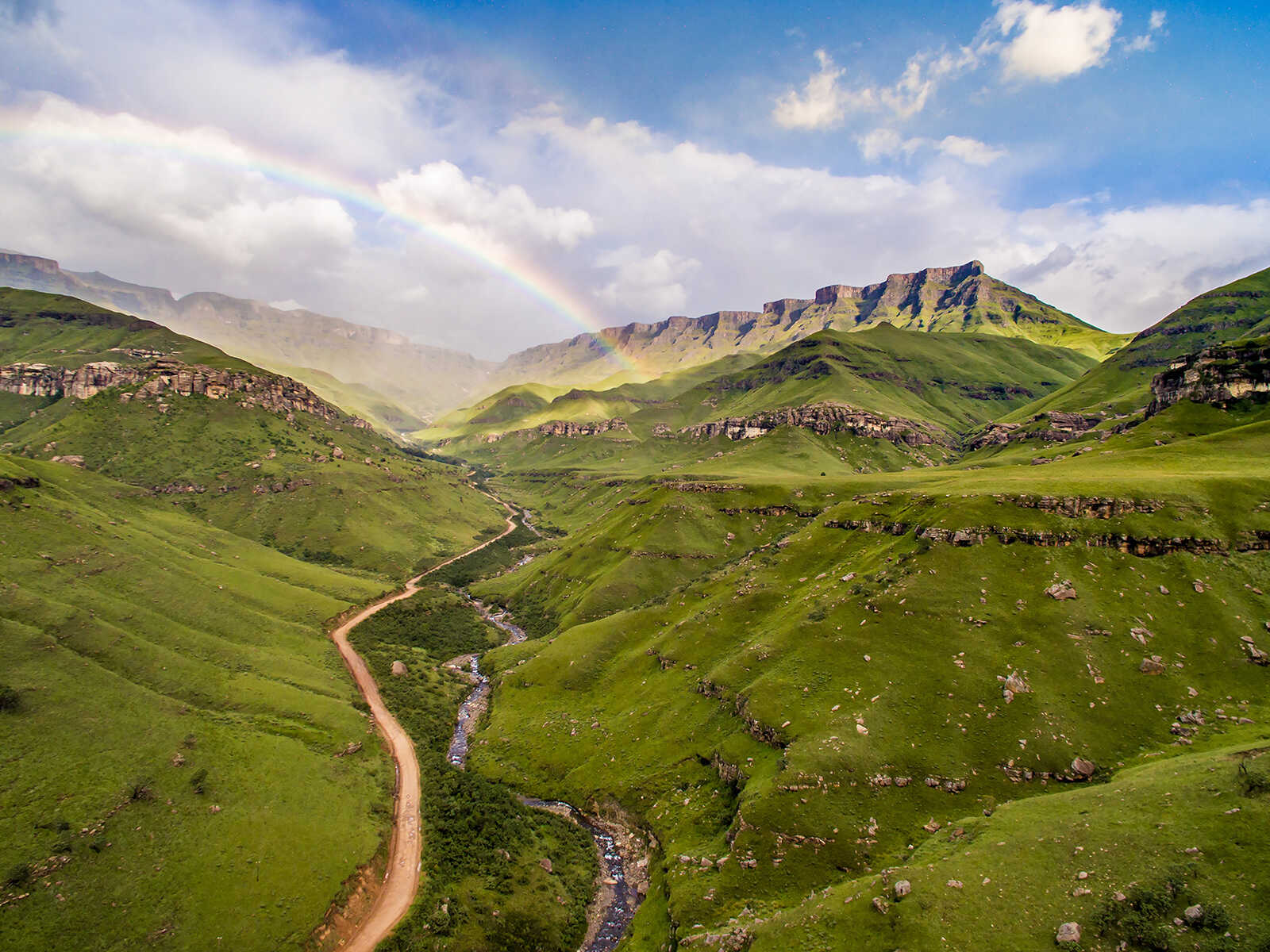
Venturing into Lesotho, the breathtaking "Kingdom in the Sky," promises an unforgettable adventure through stunning mountain landscapes and rich Basotho culture. To ensure your journey is as smooth and enjoyable as possible, proper preparation is key. This guide covers essential travel considerations, from staying connected with local SIM cards to safeguarding your trip with insurance and packing smart for Lesotho's unique environment.
Staying Connected in the Mountain Kingdom
While Lesotho offers a chance to disconnect from the everyday, having access to communication can be invaluable for navigation, emergencies, and sharing your incredible experiences. Understanding your options for mobile connectivity is a crucial first step.
SIM Cards: Your Gateway to Lesotho's Network
The most practical and cost-effective way to stay connected in Lesotho is often to purchase a local SIM card. This allows you to access local call rates and affordable data bundles, far cheaper than international roaming charges.
- Main Providers:Lesotho has two primary mobile network operators:Vodacom LesothoandEconet Telecom Lesotho. Both offer good coverage in urban areas and along major routes, though connectivity can be spotty in very remote mountain regions.
- Where to Buy:You can purchase SIM cards at Moshoeshoe I International Airport upon arrival, in major towns like Maseru, or from official branded stores. Look for kiosks or dedicated shops.
- Registration Requirements:Expect to provide your passport for registration. It's a legal requirement in Lesotho to register your SIM card to your identity. The process is usually straightforward and quick.
- Data and Call Bundles:Once you have your SIM, you'll need to purchase airtime and then convert it into data or call bundles. Staff at the point of purchase can usually assist you with this, or you can follow the instructions provided with the SIM card. Data bundles are generally quite reasonable.
- Network Coverage:While coverage is generally good in populated areas, remember that much of Lesotho is rugged and mountainous. If you're planning extensive treks into remote regions such as parts of Sehlabathebe National Park or off the main routes near Katse Dam, be prepared for intermittent or no signal.
Travel Tip:Download offline maps before you embark on your journey. Apps like Google Maps or Maps.me allow you to save regions for use without an internet connection, which can be a lifesaver in areas with limited signal.
Alternatives: Roaming and Wi-Fi
If purchasing a local SIM isn't feasible, consider these alternatives:
- International Roaming:Check with your home provider about their roaming packages for Lesotho. While convenient, these are almost always significantly more expensive than local SIMs for data and calls.
- Wi-Fi:Many hotels, guesthouses, and some cafes in larger towns offer Wi-Fi, often for free. However, speeds can vary, and it may not be available everywhere, especially in more rural accommodations.
Safeguarding Your Adventure: Travel Insurance
Lesotho's rugged beauty comes with its own set of challenges, from high-altitude trekking to sometimes unpredictable weather. Comprehensive travel insurance is not just a recommendation; it's an absolute necessity for any visitor.
Why Travel Insurance is Non-Negotiable
A good travel insurance policy provides a safety net against unforeseen events that could otherwise derail your trip or lead to significant financial strain.
- Medical Emergencies:Accidents can happen, whether it's a sprained ankle on a hike, an unexpected illness, or altitude sickness common in higher elevations like those found on Sani Pass. Your policy should cover medical treatment, hospital stays, and emergency medical evacuation, especially critical given Lesotho's often remote locations and limited specialist medical facilities.
- Trip Interruptions and Cancellations:Life happens. If you need to cancel your trip before you leave or cut it short due to an emergency, insurance can reimburse non-refundable expenses like flights and accommodation.
- Lost or Stolen Belongings:While generally safe, petty theft can occur. Insurance can cover the cost of replacing lost luggage, cameras, passports, or other valuable items.
- Adventure Activities:If you plan on horse riding, hiking, 4x4 driving, or other adventurous pursuits, ensure your policy specifically covers these activities. Some standard policies exclude them.
- Personal Liability:This covers you if you accidentally cause injury to another person or damage their property.
Crucial Advice:Always read the fine print of any insurance policy. Understand what is and isn't covered, especially regarding pre-existing medical conditions, adventure activities, and specific exclusions. Carry your policy details and emergency contact numbers with you at all times.
Packing for the Kingdom in the Sky
Lesotho's high altitude means significant temperature fluctuations, even within a single day. Smart packing, focusing on layers, is essential for comfort and preparedness.
The Layered Approach: Adapting to Lesotho's Climate
Lesotho experiences distinct seasons, but the altitude dictates that even summer evenings can be chilly, and winter days can be surprisingly warm but nights are freezing.
- Spring (Sept-Nov) & Autumn (Mar-May):Mild days, cool nights.
- Summer (Dec-Feb):Warm to hot days, afternoon thunderstorms, cool evenings.
- Winter (Jun-Aug):Cold, clear days with abundant sunshine, very cold nights, often below freezing with snow in higher regions.
Clothing Essentials
- Layers, Layers, Layers:Think base layers (thermals for winter, moisture-wicking for summer), mid-layers (fleece or wool), and an outer shell.
- Warm Jacket:Even in summer, a warm fleece or down jacket is advisable for evenings and higher elevations like those around Katse Dam or Mohale dam. In winter, a heavy-duty, insulated jacket is a must.
- Waterproofs:A good quality waterproof and windproof jacket and trousers are crucial, especially during the summer rainy season or if exploring areas like Maletsunyane Falls.
- Sturdy Hiking Boots:Waterproof, ankle-supporting hiking boots are essential for exploring the rugged terrain, whether you're trekking in Tsehlanyane National Park or taking a pony trek. Break them in before your trip!
- Comfortable Casual Wear:For evenings and relaxing, bring comfortable trousers, shirts, and sweaters.
- Swimsuit:If your accommodation has a pool or you plan to visit any hot springs.
- Sun Protection:Due to the high altitude, the sun is very strong. Pack a wide-brimmed hat, sunglasses, and high-SPF sunscreen.
- Gloves and Beanie:Especially vital for cooler months and higher altitudes.
Health & Safety Items
- Basic First-Aid Kit:Include pain relievers, antiseptic wipes, plasters, blister treatment, anti-diarrhea medication, and any personal prescription medicines.
- Prescription Medications:Carry enough for your trip, plus a few extra days, and keep them in their original packaging with copies of your prescriptions.
- Insect Repellent:While Lesotho is largely malaria-free, mosquitoes and other insects are present, especially in warmer months.
- Hand Sanitizer:Useful when water and soap aren't readily available.
- Altitude Sickness Medication:If you are prone to altitude sickness, consult your doctor about preventative medication.
Gear & Gadgets
- Power Bank:For charging your phone and other devices on the go, especially when exploring remote areas.
- Universal Travel Adapter:Lesotho uses Type M and Type D power sockets (similar to South Africa).
- Camera & Accessories:Don't forget extra batteries and memory cards to capture the stunning landscapes.
- Headlamp or Torch:Essential for evenings, power outages, or navigating in the dark.
- Reusable Water Bottle:Stay hydrated and reduce plastic waste. Consider a water filter bottle if you plan on drinking from natural sources in the wilderness.
- Small Daypack:For daily excursions, carrying water, snacks, a jacket, and your camera.
- Binoculars:Excellent for bird watching in places like Bokong Nature Reserve or spotting distant ponies.
Important Documents
- Passport:Ensure it's valid for at least six months beyond your intended stay and has sufficient blank pages.
- Visa:Check if you require a visa for Lesotho well in advance of your trip.
- Copies of Documents:Keep both physical and digital (cloud storage) copies of your passport, visa, flight tickets, and insurance details separate from the originals.
- Travel Insurance Details:Policy number and emergency contact information.
- Driver's License:If you plan to rent a car, ensure you have your valid license and an International Driving Permit if required.
- Emergency Contacts:A list of crucial numbers, both local and back home.
Final Tips for a Smooth Journey
- Currency:The local currency is the Lesotho Loti (LSL), which is pegged at par with the South African Rand (ZAR). Both are accepted interchangeably. While cards are accepted in major establishments, carrying cash is advisable, especially in rural areas or smaller shops.
- Respect Local Culture:The Basotho people are known for their warmth and hospitality. Learn a few basic Sesotho phrases (e.g., "Khotso" - hello/peace) and observe local customs, especially when visiting cultural sites like Thaba Bosiu Cultural Village.
- Environmental Awareness:Lesotho's natural beauty is its greatest asset. Practice responsible tourism by leaving no trace, respecting wildlife, and conserving water.
By taking the time to plan your connectivity, secure robust insurance, and pack thoughtfully, you'll be well-equipped to immerse yourself fully in the magic of Lesotho. Enjoy your journey to the "Roof of Africa"!