
How to Get to Lesotho: Your Guide to Flights, Border Crossings & Entry Points
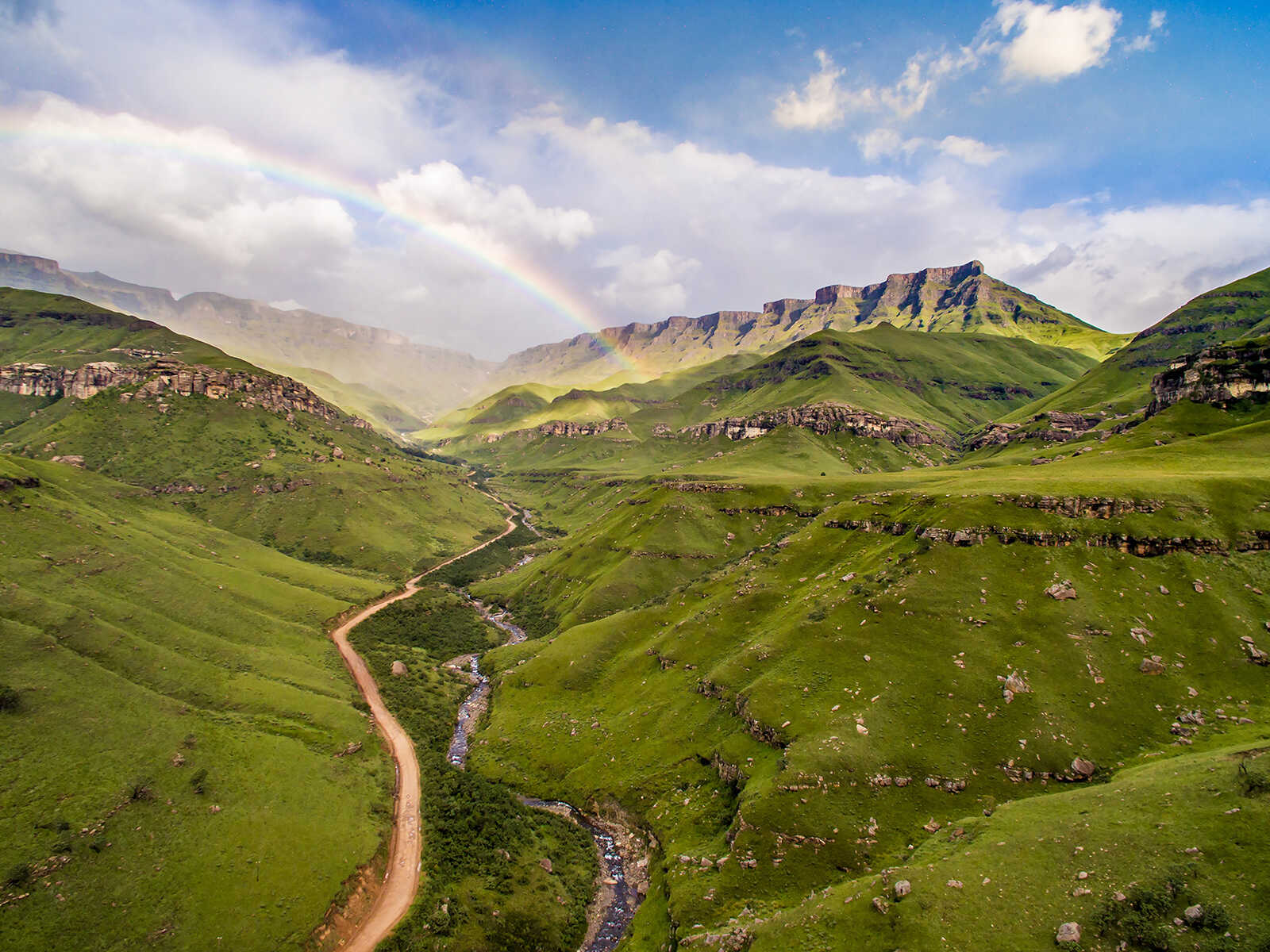
Often referred to as the "Kingdom in the Sky," Lesotho is a captivating mountainous nation completely encircled by South Africa. Reaching this unique destination requires navigating either its small international airport or one of its numerous land border crossings. This comprehensive guide will walk you through all your options, ensuring a smooth journey into the heart of Southern Africa.
Arriving by Air: Flights to Lesotho
For most international travelers, flying is the initial step to reach Southern Africa before making your way to Lesotho. The country's primary airport isMoshoeshoe I International Airport (MKO), located near the capital city, Maseru.
International Connections
While MKO is an international airport, direct international flights are limited. The most common and practical way to fly into Lesotho is via a connecting flight from South Africa. Johannesburg's O.R. Tambo International Airport (JNB) serves as the main regional hub, offering multiple daily flights to Maseru. Travelers from outside Southern Africa will typically fly into JNB first and then transfer to a regional flight for Lesotho.
A few airlines operate this short route, providing a convenient aerial gateway. The flight duration from Johannesburg to Maseru is usually less than an hour, offering scenic views of the Highveld transforming into Lesotho's dramatic mountain landscape.
Arriving by Land: Border Crossings into Lesotho
Due to its geographical position, many visitors choose to enter Lesotho by land from South Africa. This option offers flexibility, the chance to explore the scenic routes, and direct access to various regions of the country. There are numerous border posts, each serving different areas and offering varying levels of accessibility.
Key Border Posts from South Africa
Lesotho shares a long border with South Africa, featuring several official crossing points. It's crucial to note that border post opening hours vary, with most operating from early morning until late afternoon/early evening. Always check the current operating hours before planning your crossing.
- Maseru Bridge:This is the busiest and most popular border post, located directly on the main road between Maseru and Ladybrand in South Africa. It's the most convenient entry point if you're heading directly to the capital or surrounding areas like the Thaba Bosiu Cultural Village. It handles all types of vehicles and is generally well-equipped.
- Maputsoe (Ficksburg Bridge):Situated north of Maseru, near the South African town of Ficksburg, this is another major border post. It's a busy crossing, particularly popular for those traveling to the northern parts of Lesotho, including areas around Butha-Buthe and Leribe, or heading towards Tsehlanyane National Park.
- Caledonspoort:Located east of Fouriesburg in South Africa, Caledonspoort offers access to the northern highlands and areas like Oxbow. It's a good option for travelers planning to explore the mountain resorts and ski slopes during winter.
- Sani Pass:This iconic and adventurous border crossing is a must for many travelers seeking a unique experience. Connecting KwaZulu-Natal in South Africa with the Mokhotlong district in Lesotho, the Sani Pass is famous for its steep, winding dirt road.A 4x4 vehicle is essentialfor navigating the pass, especially during wet or snowy conditions. The views are spectacular, but it's a slow and challenging drive.
- Qacha's Nek:Located in the southeastern part of Lesotho, this border post provides access to the remote and beautiful Qacha's Nek district. It's less frequented than the northern crossings, offering a quieter entry point.
- Ramatseliso's Gate:Further south from Qacha's Nek, this border post is an excellent choice for those wanting to explore the stunning Sehlabathebe National Park, Lesotho's only UNESCO World Heritage Site. Access roads can be challenging, often requiring a 4x4.
- Van Rooyen's Gate:Close to Mafeteng in western Lesotho, this is a smaller crossing, convenient for accessing the southwestern regions of the country.
Traveling by Car: Self-Drive and Rentals
Self-driving offers the most flexibility for exploring Lesotho's diverse landscapes. If you plan to drive your own vehicle or a rental car across the border, be aware of a few requirements:
- Documentation:You'll need your passport, driver's license (an international driving permit is recommended), vehicle registration papers, and a letter of authorization from the owner if the car is not registered in your name (e.g., a company car).
- Rental Cars:If using a rental car from South Africa, youmustinform the rental company that you intend to take the vehicle into Lesotho. They will provide a letter of authorization and often arrange for cross-border insurance. Failure to do so could lead to significant problems at the border or invalidate your insurance.
- Insurance:Ensure your vehicle insurance covers cross-border travel into Lesotho. You may be required to purchase a small, temporary road tax or carbon tax at the border.
- Road Conditions:While major roads in Lesotho are generally tarred, many secondary roads, especially those leading to rural areas or attractions like Katse Dam or Mohale Dam, can be gravel and rough. A 4x4 vehicle is highly recommended for exploring off the main routes, particularly in the highlands or during the rainy season.
Public Transport: Buses and Taxis
For those without a private vehicle, public transport options are available:
- Buses:Long-distance buses operate between major South African cities (like Johannesburg, Durban, Bloemfontein) and Maseru or other larger towns in Lesotho (e.g., Maputsoe, Leribe). These are generally comfortable and affordable.
- Minibus Taxis (Combies):These ubiquitous shared taxis are a popular way to travel between South Africa and Lesotho, and within Lesotho itself. They are frequent and cost-effective but can be crowded. You can catch them at taxi ranks in border towns in South Africa (e.g., Ladybrand, Ficksburg) and they will drop you off at taxi ranks in Lesotho.
Visa and Entry Requirements for Lesotho
Before planning your trip, it's essential to understand the entry requirements for Lesotho. While many nationalities enjoy visa-free entry for short stays, this is not universal.
- Passport Validity:Your passport should be valid for at least six months beyond your intended departure date from Lesotho and have at least two blank pages for stamps.
- Visa Requirements:Citizens of many countries, particularly those in the Commonwealth and Southern African Development Community (SADC), are typically granted visa-free entry for stays of up to 30 or 90 days. However, visa policies can change, so it is imperative to check the most current requirements with your nearest Lesotho embassy or consulate well in advance of your travel date.
- Onward/Return Ticket:Immigration officials may ask for proof of an onward or return ticket, particularly if you are flying into the country.
- Proof of Funds:You might be asked to demonstrate sufficient funds to cover your stay in Lesotho.
- Health Requirements:If you are traveling from or transiting through a country with a high risk of Yellow Fever, you may be required to present a valid Yellow Fever vaccination certificate. Always consult the latest health advisories.
Tip: Always check the latest visa regulations with your local Lesotho embassy or consulate well in advance of your trip, as requirements can change. This ensures you have all necessary documentation for a hassle-free entry.
Tips for a Smooth Journey
- Currency:Lesotho's currency is the Loti (plural: Maloti), which is pegged 1:1 with the South African Rand (ZAR). South African Rand is widely accepted throughout Lesotho, so you don't necessarily need to exchange currency if you have ZAR.
- Language:Sesotho and English are the official languages. English is widely understood in tourist areas and by officials.
- Border Post Hours:Reiterate the importance of checking current border post operating hours to avoid being stranded. Most close between 4 PM and 10 PM.
- Be Patient:Border crossings can sometimes be slow, especially at busy times. Have all your documents ready and be prepared for potential queues.
- Road Safety:Drive cautiously, especially on mountain roads. Livestock (cattle, sheep, goats) often roam freely, and adverse weather (fog, snow in winter, heavy rain in summer) can affect driving conditions.
- Plan Your Route:Lesotho's geography means travel between points can take longer than expected due to winding mountain roads. Plan your daily itineraries realistically, especially if you plan to visit attractions like Maletsunyane Falls, which often involves challenging routes.
Whether you choose to soar into Maseru or embark on a scenic land journey through the mountains, getting to Lesotho is an adventure in itself. With proper planning and an understanding of the entry requirements, you'll soon be ready to explore the stunning vistas and rich culture of the "Kingdom in the Sky."