
Best Time to Visit Lesotho: Seasons, Festivals & Activities
Nestled high in the Maloti Mountains, Lesotho, the "Kingdom in the Sky," offers breathtaking landscapes and unique cultural experiences year-round. Deciding the best time to visit this Southern African gem largely depends on your desired activities and preferred weather, as each season brings its own distinct charm.
Understanding Lesotho's Highland Climate
Lesotho is unique as the only independent state in the world that lies entirely above 1,000 metres (3,281 ft) in elevation, with its lowest point at 1,400 metres (4,593 ft). This high altitude results in a climate that is generally cooler than its South African neighbours, with distinct seasonal variations. Expect warm summers, cold winters often with snow, and pleasant shoulder seasons.
The Four Seasons in Lesotho: What to Expect
Summer (November – March)
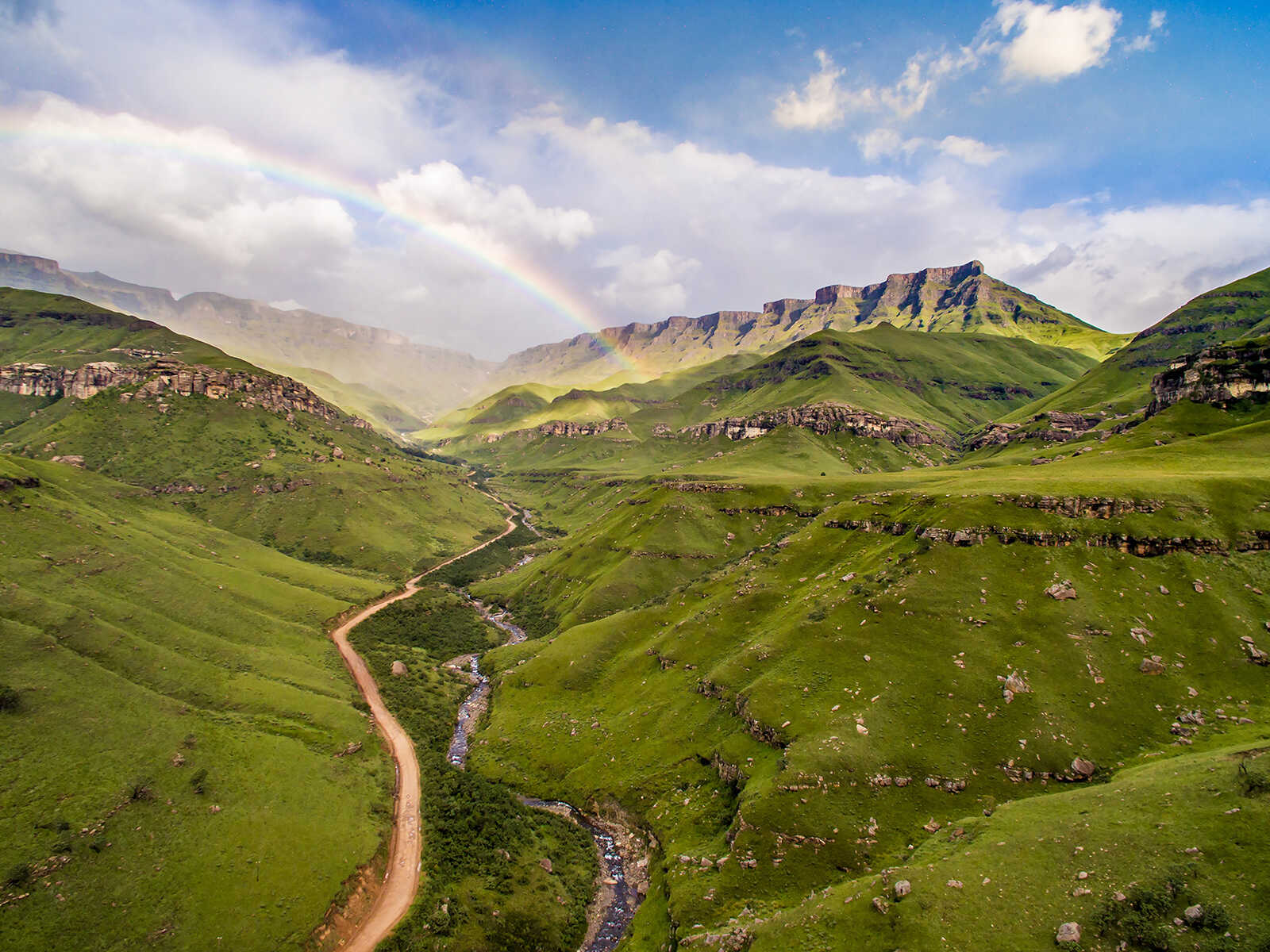
Lesotho's summer months are characterized by warm to hot days, often reaching temperatures in the high 20s°C (70s°F) in lower altitudes, with cooler temperatures in the highlands. This is also the country's rainy season, bringing frequent afternoon thunderstorms that contribute to lush, green landscapes and full rivers. While rain can be intense, it rarely lasts all day.
- Activities:Summer is ideal for hiking through verdant valleys, witnessing waterfalls at their most spectacular (like the impressive Maletsunyane Falls), and exploring the country's national parks. Birdwatching is excellent during this period, and the vibrant greenery makes for stunning photography. Cultural visits to places like Thaba Bosiu Cultural Village are enjoyable in the warmer weather.
- Pros:Lush scenery, powerful waterfalls, fewer international tourists (outside of holiday periods), vibrant local life.
- Cons:Roads can become muddy and challenging, especially in remote areas; occasional heavy downpours may disrupt outdoor plans.
- Festivals & Events:Christmas and New Year are celebrated, often with local festivities.
Tip:If visiting in summer, pack waterproof gear and sturdy hiking boots. A 4x4 vehicle is highly recommended for exploring off the main routes.
Autumn (April – May)
Autumn is often considered one of the best times to visit Lesotho. The summer rains subside, leaving behind clear, crisp skies and mild, pleasant temperatures perfect for outdoor activities. Days are sunny and warm, while evenings begin to cool down, especially in May.
- Activities:This season is perfect for pony trekking through the mountains, enjoying scenic drives, and embarking on multi-day hikes. The visibility is usually excellent, offering spectacular views from high passes like Sani Pass. It's also a great time to visit the engineering marvels of Katse Dam and Mohale Dam, with clear reflections on the water.
- Pros:Stable, pleasant weather; stunning clear skies; ideal conditions for most outdoor adventures; beautiful golden hues as vegetation changes.
- Cons:Towards late May, temperatures can drop significantly, particularly at night.
- Festivals & Events:Moshoeshoe's Day (March 11th) often spills into the early autumn spirit, commemorating the founder of the Basotho nation.
Winter (June – August)
Winter in Lesotho is cold and dry, with daytime temperatures often hovering around 10-15°C (50-59°F), but dropping below freezing at night. Snowfall is common in the highlands, transforming the landscape into a pristine white wonderland. Lower altitudes generally remain snow-free but are still very chilly.
- Activities:Lesotho becomes a unique winter sports destination during these months. Afriski Mountain Resort offers skiing, snowboarding, and other snow activities. For those not hitting the slopes, it's an excellent time for cozy lodge stays, cultural tours without the crowds, and enjoying the stark beauty of the snow-capped peaks. Access to some remote areas might be restricted due to snow.
- Pros:Opportunities for skiing and snowboarding; breathtaking snowscapes; crisp, clear air; fewer tourists (except at Afriski).
- Cons:Very cold temperatures; some roads may be impassable; limited options for traditional hiking in higher elevations.
- Festivals & Events:Local winter festivals or sporting events at Afriski.
Spring (September – October)
As winter's chill recedes, spring ushers in warmer temperatures and the gradual melting of snow, feeding the rivers and streams. The landscape begins to burst with fresh greenery and wildflowers, making it a truly beautiful time to visit.
- Activities:Spring is excellent for renewed hiking and pony trekking as trails become more accessible and the weather warms. It's an ideal time for exploring nature reserves like Bokong Nature Reserve and Tsehlanyane National Park, or the majestic Sehlabathebe National Park, a UNESCO World Heritage site, as flora and fauna awaken. Birdwatching also picks up significantly.
- Pros:Mild and increasingly warm weather; blooming wildflowers; melting snow swelling waterfalls; fewer crowds than peak summer.
- Cons:Can still experience chilly evenings; occasional late-season snow in higher regions.
- Festivals & Events:Independence Day on October 4th is a significant national holiday, celebrated with parades and cultural events across the country.
Key Considerations for Planning Your Trip
Specific Interests
- Adventure Seekers:For serious hiking, pony trekking, and exploring remote areas like Sehlabathebe National Park, late autumn (April-May) and spring (September-October) offer the best combination of weather and accessibility. Summer (November-March) is good for lush scenery and powerful waterfalls, but be prepared for rain and potentially muddy conditions.
- Winter Sports Enthusiasts:June to August is the only time for skiing and snowboarding at Afriski.
- Cultural Experiences:Thaba Bosiu Cultural Village and other cultural sites are accessible year-round, but specific festivals add an extra layer of engagement.
- Photography:Autumn offers clear skies and golden light, while summer provides vibrant greens and dramatic storm clouds. Winter presents stunning snowscapes.
Road Conditions and Accessibility
Many of Lesotho's roads are unpaved, and weather conditions can significantly impact travel, especially in the highlands. A 4x4 vehicle is highly recommended or essential for many routes, particularly during the rainy summer months and snowy winter. Check local road conditions before embarking on any journey.
Crowds
Lesotho generally doesn't experience overwhelming tourist crowds. However, major holidays (Christmas, New Year) and the peak ski season (July) can see increased visitor numbers, especially at popular spots. Booking accommodation in advance during these times is advisable.
Conclusion: Your Best Time Awaits
Lesotho truly offers a unique experience in every season. Whether you dream of summer hikes amidst cascading waterfalls, the crisp air of an autumn pony trek, the thrill of winter snow sports, or the vibrant bloom of spring, the "Kingdom in the Sky" promises an unforgettable adventure tailored to your preferred time of year. Plan according to your interests, pack appropriately, and prepare to be captivated by this magnificent mountain kingdom.