
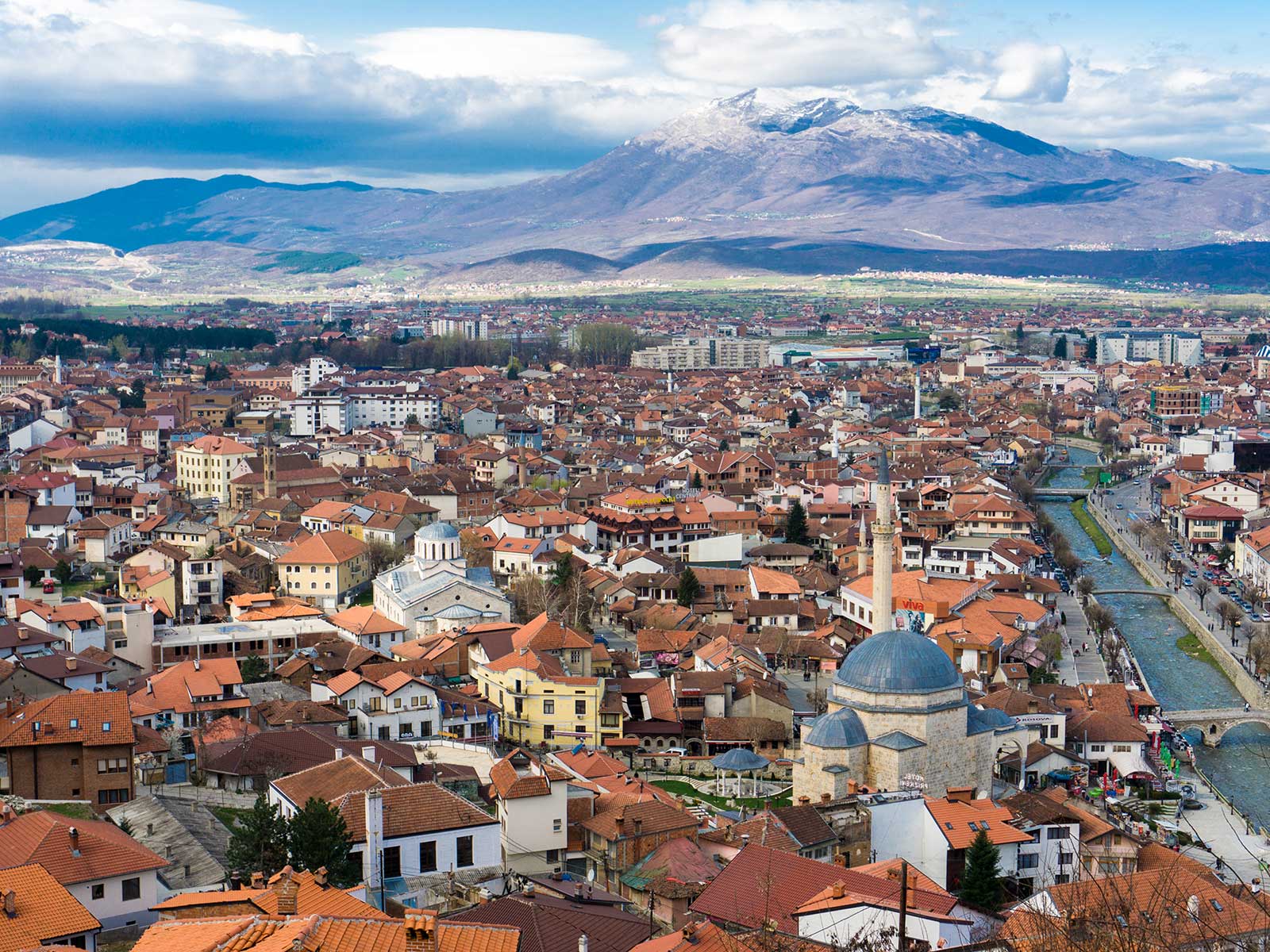
Kosovo Culture & Customs: What Travelers Need to Know Before Visiting
Kosovo, Europe's youngest nation, offers a rich tapestry of history, resilience, and vibrant culture waiting to be discovered. To truly appreciate its unique charm and connect with its warm-hearted people, understanding local customs and etiquette is key for any traveler. This guide will help you navigate the social landscape and make the most of your visit.
The Enduring Spirit of Kosovar Hospitality
At the heart of Kosovar culture lies the deeply ingrained concept ofBesa, an Albanian code of honor that emphasizes loyalty, protection, and above all, hospitality. This tradition dictates that guests are to be treated with the utmost respect and generosity, almost as if they were family. As a traveler, you'll likely experience this firsthand.
"Besa is not just a word in Kosovo; it's a way of life, a deep-rooted promise of protection and hospitality that extends to every guest."
Expect to be offered coffee, tea, or even a meal when visiting homes or even some small businesses. Accepting these gestures is a sign of respect and appreciation. While you are not expected to reciprocate immediately, a small gift or a thank you card later can be a thoughtful gesture, though not required.
Family Values and Community Life
Family is the cornerstone of Kosovar society. Multi-generational households are common, and respect for elders is paramount. Family gatherings and community events play a significant role in daily life. You'll observe a strong sense of collective identity and mutual support within neighborhoods and communities.
Public spaces, especially parks and town squares, are vibrant hubs where people gather to socialize, particularly in the evenings. Engaging with locals, even through simple gestures or attempts at conversation, is often met with genuine warmth.
Navigating Language and Greetings
The official languages of Kosovo are Albanian and Serbian. While Albanian is predominantly spoken, especially in larger cities like Pristina and Prizren, Serbian is also spoken by the Serb minority, particularly in the north and some enclaves. Many younger Kosovars, particularly those in urban areas, have a good grasp of English, making communication relatively easy for travelers.
Learning a few basic phrases in Albanian will go a long way in showing respect and appreciation:
- Përshëndetje(Per-shen-DET-yeh) - Hello
- Mirëmëngjes(Mee-reh-men-JES) - Good morning
- Mirëdita(Mee-reh-DEE-tah) - Good day
- Mirëmbrëma(Mee-reh-MBREH-mah) - Good evening
- Faleminderit(Fah-leh-min-DE-rit) - Thank you
- Po(Poh) - Yes
- Jo(Yoh) - No
- Si jeni?(See YEH-nee?) - How are you?
- Mirë, faleminderit(Mee-reh, fah-leh-min-DE-rit) - Fine, thank you
When greeting someone, a firm handshake is standard. Among close friends and family, it's common to exchange kisses on the cheek (once or twice), but this is not generally expected from tourists upon initial meeting.
Religious Diversity and Respect
Kosovo is a secular state with a predominantly Muslim population, alongside a significant number of Orthodox Christians and smaller Catholic communities. Religious tolerance is generally high, but showing respect for religious practices and sites is crucial.
When visiting mosques or churches, dress modestly: cover your shoulders and knees. Women may be asked to cover their heads in mosques, and scarves are often provided. Remove your shoes before entering a mosque. Maintain a respectful silence and avoid interrupting prayers or ceremonies. Significant Orthodox Christian sites, such as the UNESCO-listed Dečan monastery, are deeply revered and offer a glimpse into Kosovo's diverse spiritual heritage.
Culinary Delights and Coffee Culture
Kosovar cuisine is hearty and flavorful, a delicious blend of Balkan, Ottoman, and Albanian influences. Staple dishes often feature grilled meats (likeqebapa), pastries (such asflija, a layered pancake-like dish, or various types ofpite), and fresh salads. Don't miss trying local dairy products like yogurt and cheese, often homemade.
Coffee culture is an integral part of daily life. Enjoying a small, strong cup ofkafe turke(Turkish coffee) or a modern espresso is a ritual, often accompanied by long conversations and socializing. Cafes are vibrant social hubs, especially in city centers like Pristina and Prizren.
Social Etiquette and Public Behavior
Dress Code
While urban areas are quite modern in their dress, it's generally advisable to dress modestly, especially when visiting religious sites or rural areas. Smart casual attire is usually appropriate. Avoid overly revealing clothing to show respect for local customs.
Personal Space
Kosovo's culture allows for closer personal proximity than some Western cultures, especially among friends and family. However, maintain respectful distance with strangers. Public displays of affection are generally conservative; it's best to keep them discreet.
Photography
Always ask for permission before taking photos of individuals, especially children, in rural areas, or if you are unsure. Most people are friendly and will happily pose, but it's polite to ask first.
Tipping
Tipping is not strictly mandatory but is appreciated for good service in restaurants, cafes, and taxis. Rounding up the bill or leaving 5-10% is a common practice.
Historical Awareness and Sensitivity
Kosovo's recent history is complex and still very much a part of its identity. While locals are often open to discussing their experiences, it's best to approach political topics with sensitivity and caution. Listen respectfully and avoid taking sides or making strong judgments. Visiting sites like the Gazimestan monument or the Prizren fortress offers insights into the country's rich, often tumultuous past.
Exploring Kosovo's Rich Heritage and Natural Beauty
Beyond its cultural nuances, Kosovo offers stunning landscapes and historical treasures. From the ancient architecture of Prizren fortress to the serene beauty of the Mirusha waterfalls and the impressive depths of the Marble cave, there's much to explore. For outdoor enthusiasts, the majestic Gjeravica peak offers challenging hikes, while the Brezovica ski resort provides winter sports opportunities.
These sites not only showcase Kosovo's natural splendor but also offer a deeper understanding of its long and varied history, from ancient Illyrian times through Ottoman rule to its present-day status.
Practical Tips for Travelers
- Patience is a Virtue:Things might operate at a slightly slower pace than you're accustomed to. Embrace it and enjoy the relaxed atmosphere.
- Open-Mindedness:Be open to new experiences and cultural differences. This will enrich your journey immensely.
- Safety:Kosovo is generally a safe country for travelers. However, like anywhere, exercise common sense, especially in crowded areas or at night.
A visit to Kosovo promises a profoundly rewarding experience. By approaching the country with an open heart and a respectful understanding of its customs, you'll uncover the genuine warmth of its people and the unique charm of this captivating Balkan nation.