
Exploring the Marble Cave (Gradišnica Cave) in Kosovo: A Natural Wonder
Deep within the heart of Kosovo lies a geological marvel, the Marble Cave, locally known as Shpella e Gadimes or Gradišnica Cave. Discovered accidentally in the late 1960s, this subterranean labyrinth of stunning formations offers a captivating journey into the Earth's ancient history. It's an essential stop for anyone exploring Kosovo's diverse natural and cultural landscape.
Discovering Kosovo's Underground Gem
The Marble Cave is situated near the village of Gadime e Ulët, municipality of Lipjan, not far from the capital city of Pristina. Its discovery in 1966 by a local villager quarrying marble for construction was a serendipitous event that unveiled one of the Balkans' most impressive natural wonders. Since then, it has been partially explored and opened to the public, drawing visitors from across the globe eager to witness its unique beauty.
Unlike many caves formed in limestone, the Gradišnica Cave is carved almost entirely from marble, a metamorphic rock. This distinctive geology gives the cave its name and contributes to the remarkable clarity and diversity of its formations. The cave system, though extensive, has only a portion accessible to tourists, carefully preserved to maintain its delicate ecosystem and geological integrity.
What Makes the Marble Cave So Unique?
The Marble Cave is a testament to the slow, persistent power of water and geological processes. Over millions of years, water, rich in dissolved minerals, has sculpted intricate patterns and formed an astounding array of speleothems. What truly sets this cave apart is the sheer variety and aesthetic appeal of its formations, all within a marble environment.
Inside, visitors are greeted by a dazzling display of stalactites, stalagmites, and columns, many of which exhibit a remarkable translucence due to the marble. Beyond these common formations, you'll discover rarer and more delicate features:
- Helictites:These gravity-defying formations grow in twisted, irregular patterns, seemingly ignoring the pull of gravity.
- Cave Pearls:Spherical, polished concretions formed by concentric layers of calcite around a nucleus, resembling pearls.
- Draperies:Thin, sheet-like formations resembling curtains, often with beautiful folds and colors.
- Flowstones:Layers of minerals deposited by flowing water, creating smooth, undulating surfaces.
The cave's interior is illuminated, enhancing the natural colors and textures of the marble, which range from pristine white to subtle hues of pink, red, and blue, depending on the mineral impurities present. The air inside is cool and humid, creating an otherworldly atmosphere that transports visitors to a realm untouched by time.
The Marble Cave is one of the few marble caves in the world open to the public, making it a truly rare geological phenomenon and a unique experience for cave enthusiasts.
Planning Your Visit: Essential Information
A trip to the Marble Cave is an adventure, but proper planning ensures a smooth and enjoyable experience.
Location and How to Get There
The Marble Cave is conveniently located approximately 20 kilometers south of Pristina, making it an easy day trip from the capital. It's situated near the village of Gadime e Ulët in the municipality of Lipjan. The most common way to reach the cave is by car or taxi. Many local tour operators also offer organized excursions that include transportation and guided tours of the cave. Public transportation options are limited, so a private vehicle or tour is highly recommended for convenience.
Best Time to Visit
The cave maintains a constant cool temperature year-round (typically around 13-15°C or 55-59°F), making it an ideal destination regardless of the season. However, the surrounding area and access roads are most pleasant during spring, summer, and early autumn (April to October). During these months, the weather is generally mild, perfect for combining your cave visit with exploring other nearby attractions.
What to Expect Inside
Upon arrival, visitors will typically join a guided tour. The accessible section of the cave features well-maintained pathways and stairs, making navigation relatively straightforward. Tours are usually conducted in multiple languages, with guides providing fascinating insights into the cave's geology, history, and unique formations.
Given the constant cool temperatures and potential for damp surfaces, it is highly recommended to wear:
- Warm Clothing:Even on a hot day, a light jacket or sweater is advisable.
- Comfortable, Closed-Toe Shoes:The paths can be slightly uneven or damp, so good grip is essential.
The tour typically lasts around 45 minutes to an hour, covering approximately 400 meters of the illuminated cave system. While generally accessible, visitors with mobility issues should inquire in advance, as there are stairs involved.
Visitor Guidelines
To preserve this delicate natural wonder, visitors are asked to adhere to certain rules:
- Do not touch the formations, as oils from hands can damage their growth and appearance.
- Stay on designated paths.
- Do not litter.
- Photography is generally permitted, but flash photography should be used judiciously to avoid disturbing the environment and other visitors.
Beyond the Cave: Nearby Attractions
A visit to the Marble Cave can be easily combined with exploring other highlights of Kosovo. Its central location makes it a great starting point for further adventures:
- Pristina:The capital city offers a vibrant mix of history, culture, and modern life. Explore its museums, markets, and bustling cafes.
- Mirusha Waterfalls:Located further west, these stunning waterfalls cascade over multiple terraces, forming natural pools perfect for swimming during warmer months. It's another spectacular example of Kosovo's natural beauty.
- Deçan Monastery:A UNESCO World Heritage site, this Serbian Orthodox monastery boasts breathtaking frescoes and impressive medieval architecture, offering a glimpse into Kosovo's rich spiritual heritage.
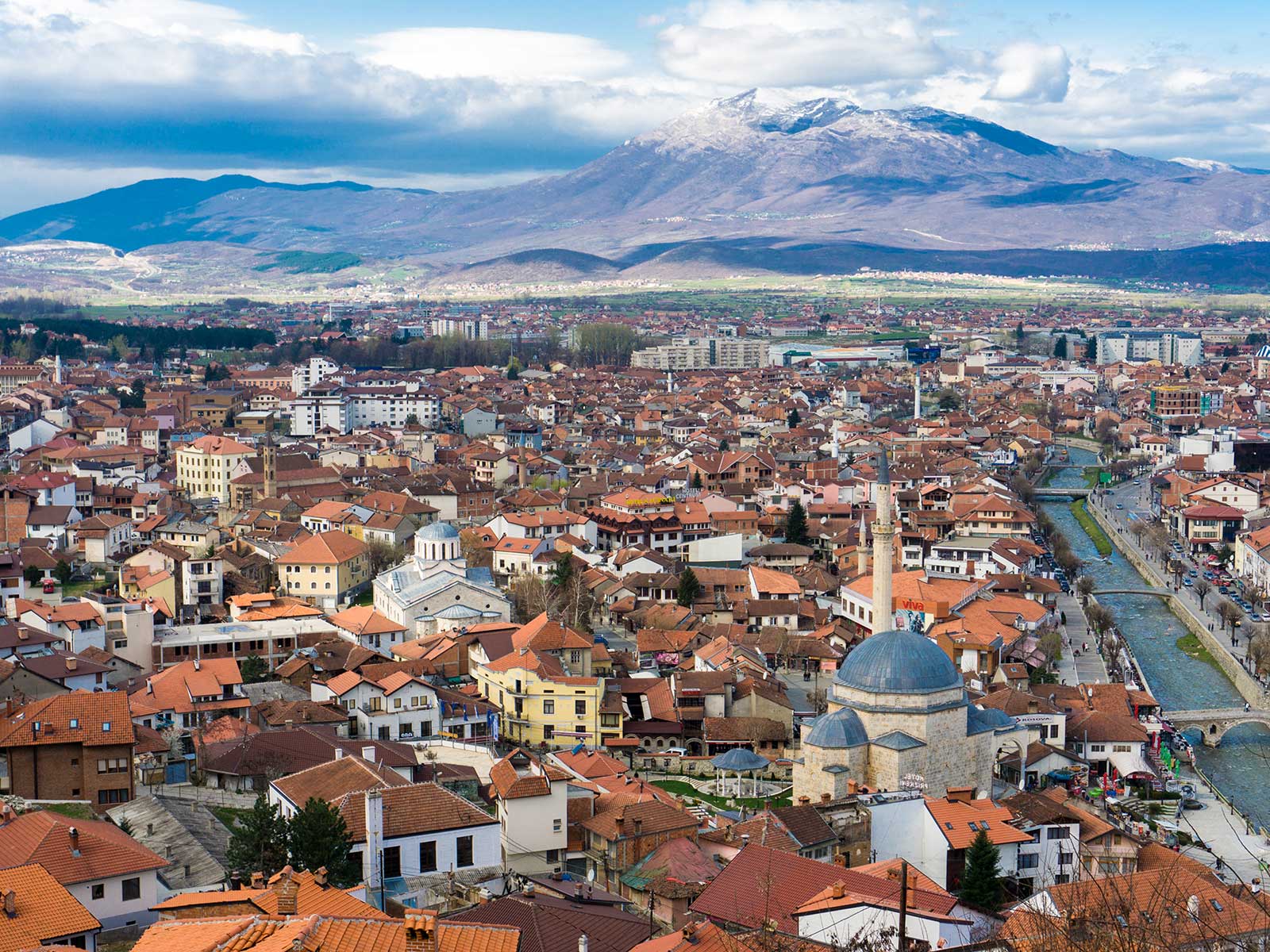
- Prizren Fortress:The historic city of Prizren, dominated by its impressive fortress, is a cultural capital known for its Ottoman-era architecture, vibrant arts scene, and the annual Dokufest film festival. While a bit further, it makes for an excellent extended day trip or overnight stay.
- Gazimestan:A monument commemorating the Battle of Kosovo, offering historical context and panoramic views.
Preserving a Natural Treasure
The Marble Cave is not just a tourist attraction; it's a vital part of Kosovo's natural heritage. Ongoing efforts are in place to ensure its preservation for future generations. These include careful management of visitor access, environmental monitoring, and educational programs. Supporting these efforts by respecting visitor guidelines helps maintain the cave's pristine condition and protects its unique geological and biological features.
Why the Marble Cave Should Be on Your Kosovo Itinerary
The Marble Cave offers an unparalleled opportunity to delve into the mysterious and beautiful world beneath the Earth's surface. Its rare marble formations, stunning natural artistry, and cool, tranquil atmosphere provide a refreshing contrast to the vibrant energy of Kosovo's towns and cities. Whether you're a geology enthusiast, a nature lover, or simply seeking a unique and memorable experience, the Marble Cave promises to be a highlight of your journey through Kosovo.
Embark on an adventure to this subterranean wonder and witness firsthand the marvels that lie hidden beneath the rolling hills of Kosovo.