
Tarawa Travel Guide: Kiribati's Capital City Exploration
Welcome to Tarawa, the vibrant capital of Kiribati, a nation scattered across the vast Pacific Ocean. This unique atoll offers a fascinating blend of historical significance, local culture, and breathtaking natural beauty, all while providing a glimpse into authentic island life.
Discovering Tarawa's Unique Geography and Charm
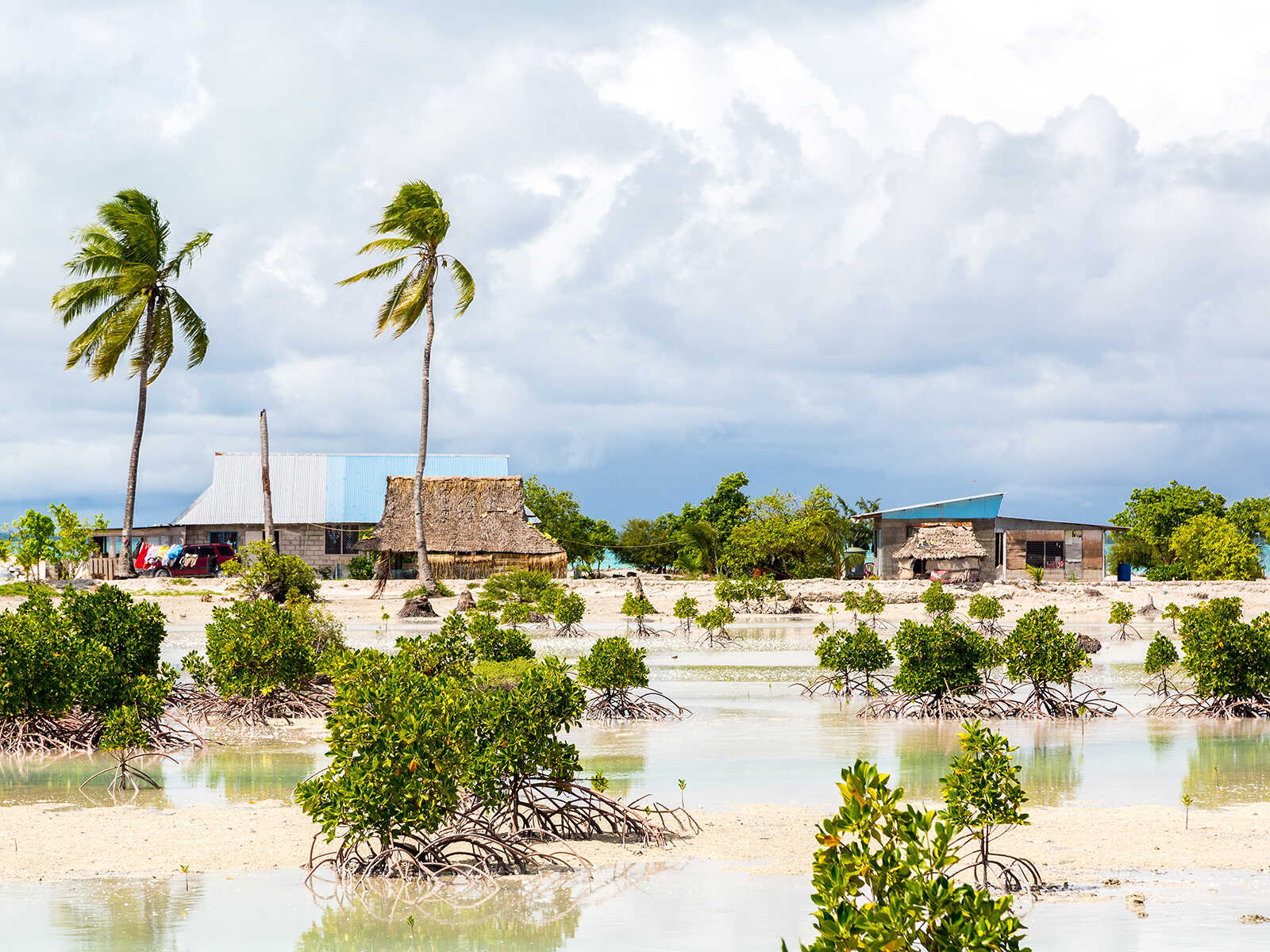
Tarawa is not just one island, but a collection of small islets connected by a series of causeways, forming a narrow ribbon of land around a vast lagoon. This makes for a captivating landscape where the turquoise Pacific Ocean meets the calmer, equally stunning lagoon. As the administrative and commercial heart of Kiribati, it's where you'll find the pulse of the nation, from bustling markets to quiet war memorials.
Getting to Tarawa and Navigating the Atoll
Arrival by Air
Your journey to Tarawa typically begins at Bonriki International Airport (TRW), located on the eastern tip of South Tarawa. Flights are limited, usually arriving from Fiji or Nauru, so planning well in advance is essential. Be prepared for a warm welcome and a relaxed pace of airport operations.
Getting Around South Tarawa
Once on the main stretch of South Tarawa, getting around is relatively straightforward. The primary mode of public transport is the minibus system, which operates along the main road connecting the various islets. Taxis are also available, offering a more direct and comfortable option. For the adventurous, renting a bicycle or motorbike can be a wonderful way to explore at your own pace, feeling the ocean breeze as you traverse the causeways.
Travel Tip:The causeways connecting the islets of South Tarawa are central to daily life. They offer incredible views of both the lagoon and the open ocean, especially at sunrise or sunset. Take your time to enjoy them!
A Glimpse into History: The Battle of Tarawa
Tarawa holds a profound place in World War II history, primarily for the fierce Battle of Tarawa fought in November 1943. This pivotal engagement saw intense fighting between US Marines and Japanese forces on Betio Islet, making it one of the bloodiest battles in the Pacific theater. Today, relics of this conflict are still visible, offering a poignant reminder of the past.
Exploring Betio's War Relics
Betio Islet is a must-visit for history enthusiasts. Here, you can find numerous remnants of the war, including:
- Japanese Bunkers and Pillboxes:Crumbling concrete structures dot the coastline, bearing testament to the fortifications.
- Abandoned Tanks and Artillery:Rusting war machines lie partially submerged in the shallow waters or scattered along the beaches.
- Memorials:Various plaques and monuments commemorate the soldiers who fought and fell here.
- The Betio Japanese War Memorial:A significant site for reflection and remembrance.
Exploring these sites offers a powerful, albeit somber, insight into the island's past. It's advisable to hire a local guide who can provide historical context and share personal stories passed down through generations.
Experiencing Local Culture and Daily Life
Tarawa is a melting pot of traditional Kiribati culture and modern influences. The local population, known as I-Kiribati, are renowned for their friendliness and hospitality. Engaging with the community is one of the most rewarding aspects of visiting.
Bustling Markets and Local Delights
Markets are the heart of community life in Tarawa. The main markets on Betio and Bairiki are vibrant hubs where locals gather to buy and sell fresh produce, fish, and handicrafts. You'll find an abundance of fresh seafood, often caught that very morning, alongside tropical fruits like breadfruit, pandanus, and taro. Don't be shy to try local delicacies, but always ask before photographing people.
Traditional Arts and Crafts
Keep an eye out for intricately woven mats, baskets, and hats made from pandanus leaves. These are not only beautiful souvenirs but also demonstrate the impressive craftsmanship of the I-Kiribati people. Traditional singing and dancing, often accompanied by drums and clapping, are integral to cultural celebrations and can sometimes be witnessed during local events.
Top Attractions and Things to Do in Tarawa
1. The Parliament Building, Bairiki
Located in Bairiki, the administrative center of Tarawa, the Parliament Building is an interesting architectural landmark. While public access inside might be limited, its distinctive design and location offer a good photo opportunity and a sense of the nation's governance.
2. Ambo Island: Cultural Encounters
A short trip to Ambo Island can offer a deeper dive into Kiribati culture. Here, you might find opportunities to visit traditional villages, learn about local customs, and witness demonstrations of traditional fishing techniques or cooking methods. It's a chance to step away from the more developed parts of South Tarawa.
3. Exploring the Tarawa Lagoon
The vast, calm lagoon is perfect for various water activities. You can arrange boat trips with local fishermen to explore smaller, uninhabited islets, go snorkeling in the clear waters to discover vibrant marine life, or try your hand at line fishing – a popular local pastime. The lagoon is also home to several shipwrecks, offering unique snorkeling and diving opportunities for those with the right equipment and guidance.
4. Causeways and Scenic Drives
Simply driving or cycling along the main causeway connecting the islets of South Tarawa is an experience in itself. From Bonriki to Betio, you'll pass through villages, markets, and administrative areas, with the stunning lagoon on one side and the vast Pacific on the other. It’s an excellent way to absorb the daily rhythm of life on the atoll.
Practical Tips for Travelers to Tarawa
- Visa & Entry:Check the latest visa requirements for Kiribati based on your nationality well before your trip.
- Currency:The official currency is the Australian Dollar (AUD). ATMs are available in urban areas, but it's wise to carry some cash, especially for market purchases.
- Health & Safety:Drink bottled or purified water. Protect yourself from the sun with hats, sunglasses, and high-SPF sunscreen. Mosquito repellent is also advisable.
- Connectivity:Internet access can be limited and expensive. Local SIM cards are available for mobile data, but coverage might be sporadic outside main areas.
- Respect Local Customs:Kiribati is a conservative country. Dress modestly, especially when visiting villages or religious sites. Always ask permission before taking photos of people. A friendly "Mauri" (hello) goes a long way.
- Best Time to Visit:The drier season, typically from May to November, offers more comfortable weather with less humidity and rain.
Beyond Tarawa: Exploring More of Kiribati
While Tarawa offers a comprehensive introduction to Kiribati, the nation comprises 32 other atolls and one raised coral island. If time permits, consider venturing further. The remote Line Islands, including the famous Kiritimati(Christmas Island), offer world-class fishing and birdwatching.Tabuaeran(Fanning Island) provides a glimpse into a more untouched, traditional island lifestyle. Each island offers a unique facet of this incredible Pacific nation.
Conclusion
Tarawa is more than just a capital city; it's an immersive journey into a vibrant culture, a poignant historical landscape, and a stunning natural environment. From its significant WWII history to its bustling markets and friendly locals, this Kiribati gem promises an unforgettable adventure for the intrepid traveler seeking an authentic Pacific experience.