
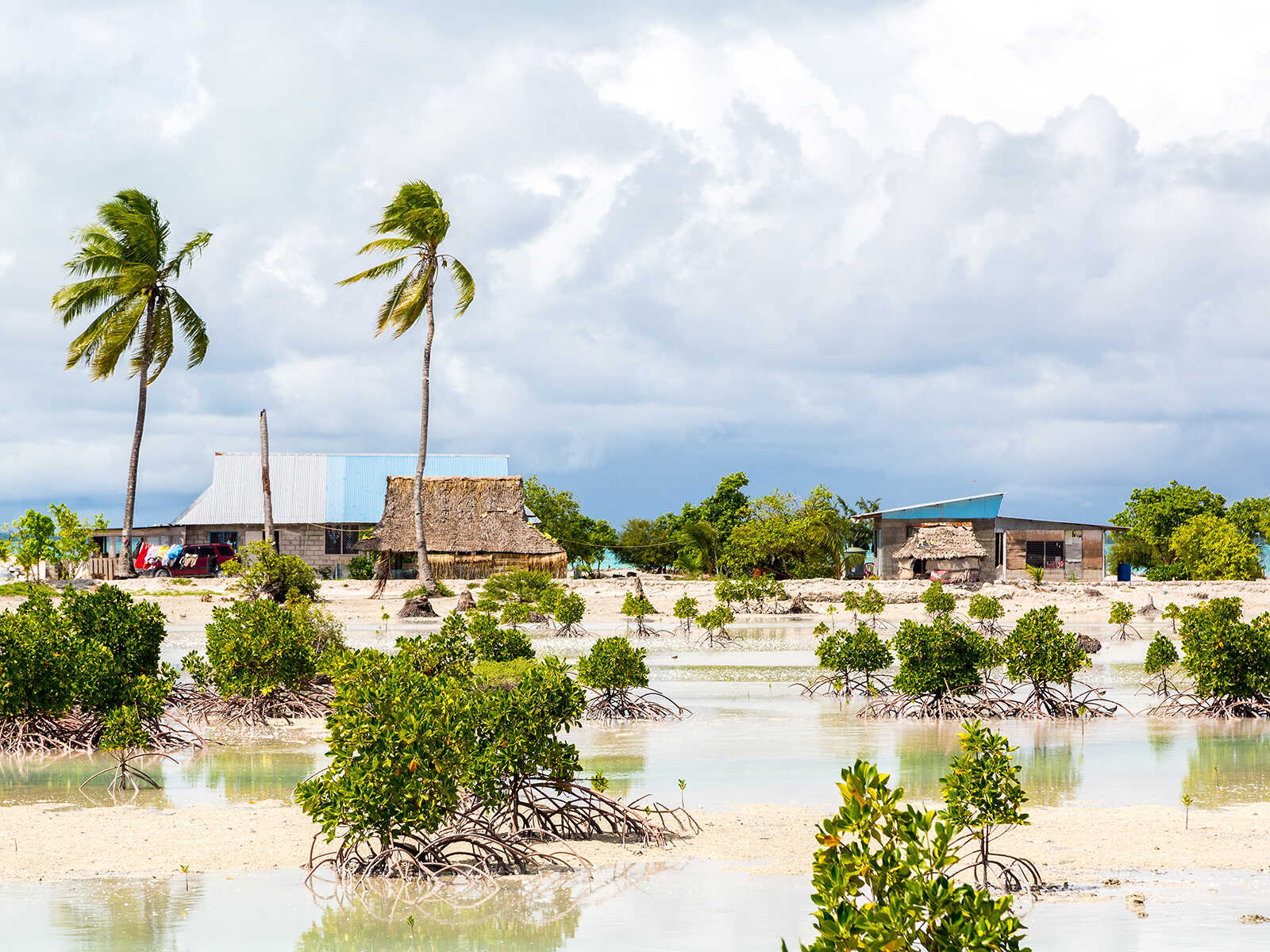
Solo Travel in Kiribati: Tips for Independent Explorers
Embarking on a solo adventure to Kiribati offers a truly unique and profound experience. This remote Pacific nation, spread across 33 atolls, promises unparalleled cultural immersion and breathtaking natural beauty for the independent traveler willing to venture off the well-trodden path.
Why Kiribati for Solo Travel?
Kiribati is not your typical tourist destination, which is precisely why it appeals to the solo explorer. It offers an authentic glimpse into traditional Micronesian life, far from the commercialism found elsewhere. Here, independence is not just a choice; it's often a necessity, fostering a deep sense of self-reliance and connection with the environment and its people. For those seeking solitude, untouched natural beauty, and a profound cultural exchange, Kiribati presents an extraordinary opportunity.
Planning Your Solo Expedition
Thorough preparation is paramount for a successful solo trip to this remote destination. Information can be scarce, so proactive research is key.
Visa and Entry Requirements
Before booking anything, confirm the latest visa requirements for your nationality. While many countries enjoy visa-free entry for short stays, regulations can change. Always check with the Kiribati immigration department or your nearest embassy well in advance of your travel dates.
Connectivity and Communication
Internet access in Kiribati, particularly outside of Tarawa, is limited and often slow. Embrace the digital detox, but be prepared. Consider purchasing a local SIM card upon arrival in Tarawa for basic communication. Inform loved ones of your itinerary and expected communication windows, as reliable connections might only be available in specific areas or during certain times.
Packing Essentials
Pack smart and light, focusing on versatility and practicality. The climate is tropical, so breathable clothing is essential.
- Lightweight, Breathable Clothing:Cotton or linen are ideal.
- Sun Protection:High-SPF sunscreen, wide-brimmed hat, sunglasses.
- Insect Repellent:Especially important for evenings.
- Basic First Aid Kit:Include antiseptics, pain relievers, band-aids, and any personal medications.
- Reusable Water Bottle:Stay hydrated and reduce plastic waste.
- Snorkeling Gear:If you plan to explore the reefs.
- Cash:While some places accept cards in Tarawa, cash is king on the outer islands.
- Power Bank:For charging devices when outlets are scarce.
Navigating the Atolls: Getting Around Kiribati
Travel between and within Kiribati's islands can be an adventure in itself, requiring patience and flexibility.
Inter-Atoll Travel
Air Kiribati operates flights connecting Tarawa with other major islands like Kiritimati, as well as several smaller atolls. Flights are not always daily and can be subject to delays or changes due to weather or operational reasons. Booking well in advance is advisable, but also be prepared for itinerary adjustments. For the truly adventurous, cargo ships offer a slower, more authentic, albeit less predictable, way to travel between islands.
"Traveling between Kiribati's islands isn't just transport; it's an integral part of the adventure, offering unique perspectives on island life and the vast Pacific."
Local Transport
On Tarawa, shared taxis and buses are available and relatively inexpensive. For exploring specific areas, you might find bicycles or motorbikes for rent. On smaller, outer islands, walking is often the primary mode of transport, allowing for intimate interactions with local communities and the environment.
Accommodation for Solo Explorers
Accommodation options in Kiribati are generally modest and locally run, offering a genuine insight into island life. In Tarawa, you'll find a few guesthouses and small hotels. On the outer islands, expect more basic guesthouses or community-based homestays, which provide an incredible opportunity for cultural immersion. It's highly recommended to book your accommodation in advance, especially outside of Tarawa, as options can be limited.
Embracing Local Culture and Safety
Kiribati is a safe and welcoming country, but understanding local customs and practicing general safety measures will enhance your solo journey.
Cultural Etiquette
The I-Kiribati people are warm and hospitable. A few cultural considerations will go a long way:
- Dress Modestly:Especially outside tourist areas, cover your shoulders and knees.
- Ask Permission:Before taking photos of people or entering private land.
- Greetings:A simple "Mauri" (hello) with a smile is always appreciated.
- Community Focus:Kiribati culture is communal; respect local customs and family structures.
Solo Safety Tips
While Kiribati is generally safe, it's wise to take precautions, especially as a solo traveler:
- Inform Someone:Let your accommodation or a trusted contact know your daily plans.
- Stay Hydrated:The tropical sun is intense. Drink plenty of bottled or purified water.
- Be Aware:While crime rates are low, always be mindful of your belongings, especially in crowded areas like markets.
- Night Travel:Avoid walking alone at night in poorly lit areas.
Connecting with Locals
Solo travel in Kiribati offers unparalleled opportunities to connect with locals. Don't shy away from engaging in conversations. Learning a few basic phrases in I-Kiribati can open doors to deeper cultural understanding and unforgettable experiences. These interactions often lead to invitations to local events or shared meals, enriching your journey beyond measure.
Must-Do Experiences for Solo Travelers
Kiribati offers a range of experiences, from historical exploration to pristine natural encounters.
Exploring Tarawa
As the capital,Tarawa is likely your entry point and offers significant historical sites, particularly related to World War II. Explore remnants of Japanese fortifications and American battle sites. Visit the vibrant local markets to experience daily life and perhaps see the Parliament Building.
The Remote Wonders
For nature enthusiasts, venturing further afield is a must.Kiritimati(Christmas Island) in the Line Islands is a world-renowned destination for fly-fishing and birdwatching, home to vast seabird colonies. Its sheer remoteness and ecological significance make it a truly special place. Other outer islands like Tabuaeran offer a glimpse into a simpler, traditional way of life, with opportunities for snorkeling in clear lagoons and experiencing untouched coral reefs. While some islands like Nikumaroro island remain largely untouched and are challenging to access, they symbolize the vastness and pristine nature of Kiribati's scattered atolls.
- Snorkeling and Diving:Discover vibrant marine life in pristine lagoons.
- Birdwatching:Especially on Kiritimati, home to millions of seabirds.
- Cultural Immersion:Participate in local feasts (botaki) or observe traditional weaving.
Responsible Solo Travel
As an independent explorer in a fragile ecosystem, practicing responsible tourism is crucial. Minimize your environmental footprint by conserving water and energy, properly disposing of waste, and avoiding disturbing local wildlife. Support the local economy by purchasing goods from local vendors and choosing locally owned accommodations and tour operators. Always be respectful of local customs and traditions, contributing positively to the communities you visit.
Conclusion: A Journey of Self-Discovery
Solo travel in Kiribati is more than just a vacation; it's an expedition into one of the world's most remote and culturally rich nations. It demands an adventurous spirit, flexibility, and a deep respect for local customs, but the rewards are immense. From the warm smiles of the I-Kiribati people to the serene beauty of its atolls, Kiribati offers a profound journey of self-discovery and an unforgettable connection with a unique corner of our planet.