
Must-Try Kiribati Food: A Culinary Journey Through the Islands
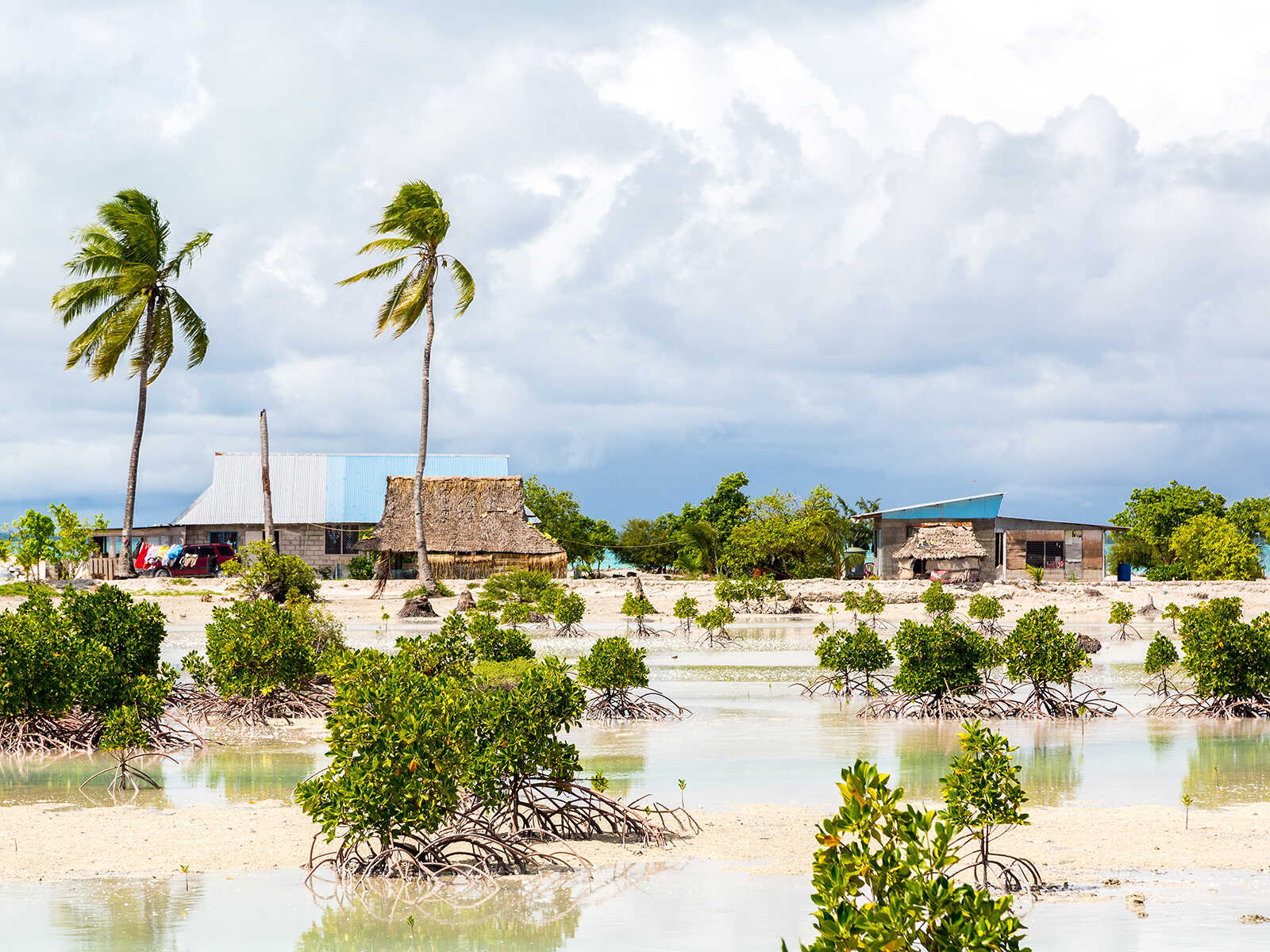
Kiribati, a nation of scattered coral atolls in the heart of the Pacific, offers a unique culinary landscape shaped by its pristine ocean and fertile soil. Embark on a gastronomic adventure to discover the freshest seafood, tropical fruits, and traditional preparations that define the islands' vibrant food culture. From the capital Tarawa to the outer islands, every meal tells a story of an intimate connection with nature.
The Pillars of Kiribati Cuisine: Nature's Bounty
At the heart of Kiribati's diet lies an abundant supply of fresh ingredients directly from the surrounding ocean and fertile land. The local cuisine is characterized by its simplicity, allowing the natural flavours to shine through. Visitors will quickly notice a few key staples that form the foundation of almost every meal.
The Ubiquitous Coconut (Nii)
Often referred to as the "tree of life," the coconut is indispensable in Kiribati. Every part of the coconut palm is utilized, but culinarily, its fruit is paramount. Coconut water is a refreshing drink, while the flesh is grated to produce rich coconut cream (te benu) used in countless dishes, adding a distinctive sweetness and texture. Green coconuts are a common thirst quencher, and mature coconuts contribute to cooking and oil production.
Ocean's Harvest: Fish and Seafood (Ika)
Surrounded by vast stretches of the Pacific, it's no surprise that fish and seafood are central to the Kiribati diet. Tuna, snapper, wahoo, reef fish, octopus, and various shellfish are caught daily, ensuring unparalleled freshness. Fishing is not just a livelihood but a way of life, and the catch of the day often dictates the evening's menu.
Root Crops and Tropical Fruits
On land, root crops like breadfruit, taro, and especiallypulaka(giant swamp taro), thrive in the atoll environment. These provide essential carbohydrates. Tropical fruits such as pandanus, papaya, and bananas also feature prominently, offering natural sweetness and vital nutrients. The unique conditions of the atolls have led to the cultivation of highly resilient and nutritious plants.
Must-Try Dishes and Delicacies
Te Bua (Giant Clam)
A true delicacy,Te Buarefers to the succulent meat of the giant clam. Often served raw and thinly sliced, it offers a delicate, slightly sweet flavour and a tender texture, sometimes with a hint of brininess. It can also be lightly steamed or added to stir-fries. Eating Te Bua is an experience unique to the Pacific islands, showcasing the pristine marine environment.
Fresh Fish Preparations (Ika Mata and Grilled)
Given the abundance of fish, visitors will find it prepared in various delicious ways.Ika Matais a popular preparation, similar to ceviche. Fresh raw fish (often tuna or snapper) is marinated in a vibrant mix of lime juice, diced onions, chili, and generous amounts of fresh coconut cream. The acidity of the lime "cooks" the fish, resulting in a refreshing and flavourful dish perfect for the tropical climate.
Equally popular is simply grilled or pan-fried fish. Often seasoned minimally with salt and lime, this method highlights the fish's natural freshness and flavour. Accompanied by roasted breadfruit or taro, it’s a quintessential Kiribati meal.
Ura (Coconut Crab)
For those seeking an adventurous culinary experience, theUra, or coconut crab, is a must-try. These magnificent land crabs, known for their ability to crack coconuts with their powerful claws, yield rich, flavourful meat that is a true delicacy. It is often baked or grilled, and its taste is a unique blend of crab and coconut. Harvesting is carefully managed to ensure sustainability.
Interesting Fact:Coconut crabs are the largest land arthropods in the world and can live for over 60 years. Their meat is highly prized but due to their slow growth, their consumption is often seasonal or regulated to protect populations.
Te Mai (Breadfruit)
Breadfruit is a versatile staple in Kiribati. It can be roasted whole in an earth oven, boiled, fried, or mashed. When ripe, it has a slightly sweet, custardy texture, while unripe breadfruit is starchier and potato-like. It often accompanies fish dishes, providing a satisfying and nutritious carbohydrate component.
Pulaka (Giant Swamp Taro)
Especially prevalent on dryer atolls where other crops struggle,Pulakais a vital food source. This giant swamp taro requires considerable effort to cultivate but yields a highly nutritious and long-lasting crop. It's typically cooked by baking it in an earth oven (umu) or boiling, often served mashed or as part of a stew, providing a dense, earthy flavour.
Te Kaina (Pandanus Fruit)
The pandanus tree is another cornerstone of Kiribati's food culture. Its large, segmented fruit,Te Kaina, can be eaten raw when ripe, offering a fibrous, subtly sweet, and aromatic pulp. It's also dried and processed into a paste or flour, which can be stored for long periods, acting as a crucial food reserve. The unique flavour of pandanus is unforgettable.
Local Snacks and Beverages
Beyond the main meals, visitors can discover local snacks such as fried dough (similar to doughnuts) and small cakes made from local ingredients. Fresh coconut water is the ultimate natural hydration, whiletoddy(fermented coconut sap) offers a slightly alcoholic, traditional drink. For those interested in cultural beverages,Kava(Te Kawa) is sometimes available, a traditional ceremonial drink made from the root of the pepper plant, known for its relaxing properties.
The Kiribati Dining Experience: Simplicity and Community
Dining in Kiribati is typically a communal and unpretentious affair. The focus is on fresh, seasonal ingredients and simple preparations that highlight their natural flavours. Meals are often shared among families and friends, reflecting the strong community bonds prevalent throughout the islands.
While high-end restaurants are rare, especially outside of Tarawa, visitors can experience authentic Kiribati cuisine at local guesthouses, small eateries, and bustling markets. In Tarawa, you'll find a greater variety of options, from small cafes serving local dishes to vendors selling fresh fish and produce. Don't be shy about trying street food or asking your accommodation hosts for recommendations – they often provide the most genuine culinary insights.
Traditional cooking methods, such as theumu(earth oven), are still practiced, especially for larger gatherings and feasts. Food is wrapped in banana leaves or pandanus leaves and slow-cooked over hot stones, infusing it with a unique smoky flavour and ensuring tender results.
Tips for the Culinary Explorer
- Be Adventurous:Don't hesitate to try new things. The flavours may be unfamiliar, but they are an integral part of the Kiribati experience.
- Embrace Coconut:If you love coconut, you're in for a treat. It features in almost everything.
- Stay Hydrated:The tropical climate demands plenty of fluids. Fresh coconut water is readily available and highly recommended.
- Support Local:Purchase food from local markets and small vendors to experience the freshest ingredients and support the community.
- Ask Questions:Locals are often happy to share insights into their food culture. Learn about the ingredients and preparation methods.
Conclusion: A Taste of Authentic Pacific Life
A culinary journey through Kiribati offers more than just delicious food; it provides a deep insight into the islands' culture, history, and connection to their natural environment. From the sparkling fresh fish pulled straight from the Pacific to the unique sweetness of pandanus and the versatility of the coconut, Kiribati's food scene is a testament to sustainable living and the bounty of the atolls. Prepare your palate for an authentic and unforgettable taste of the Central Pacific.