
Kiribati's Unique Wildlife: Exploring the Natural Wonders
Kiribati, a remote island nation scattered across the central Pacific, is a sanctuary for some of the world's most unique and resilient wildlife. Its pristine atolls and vast ocean expanses host an incredible array of marine species and seabirds, offering a rare glimpse into thriving equatorial ecosystems.
Far from continental landmasses, Kiribati's wildlife has evolved in isolation, leading to a remarkable diversity that thrives in both the air and under the waves. The nation's geography, predominantly low-lying coral atolls, dictates an ecosystem rich in marine life and avian inhabitants, with fewer terrestrial species. This unique environment makes Kiribati a prime destination for nature enthusiasts and conservationists alike.
A Haven for Avian Life: Kiribati's Bird Sanctuaries
Kiribati is globally renowned as a critical breeding and nesting ground for millions of seabirds. Its remote islands provide undisturbed habitats, essential for the survival of numerous species.
Kiritimati (Christmas Island): A Birder's Paradise
The crown jewel of Kiribati's birdlife is undoubtedly Kiritimati, also known as Christmas Island. This vast coral atoll is home to the largest land area of any atoll in the world and hosts an astonishing density of seabirds. It's an internationally recognized Important Bird Area (IBA) and a true spectacle for ornithologists.
- Sooty Terns:Millions of these birds nest on Kiritimati, creating a mesmerizing spectacle during breeding season.
- Great Frigatebirds:Known for their impressive wingspans and the males' vibrant red gular pouches, these aerial acrobats are a common sight.
- Red-footed Boobies:These distinctive birds, with their namesake red feet, nest in trees and shrubs across the island.
- Greater and Lesser Frigatebirds, Red-tailed and White-tailed Tropicbirds, Brown and Masked Boobies, Phoenix Petrels, and various Noddy and Tern speciesalso thrive here.
Other Important Bird Areas
While Kiritimati is the most famous, other islands in Kiribati also play vital roles in supporting seabird populations. Islands like Tabuaeran(Fanning Island) and Teraina (Washington Island) within the Line Islands group, and many others across the Gilbert and Phoenix Islands, offer crucial nesting and roosting sites. These smaller, often uninhabited islets provide sanctuary from human disturbance, allowing diverse bird populations to flourish.
Fun Fact:Kiritimati alone hosts an estimated 20-30 million seabirds, making it one of the largest seabird rookeries on Earth and a truly unparalleled experience for bird watchers.
Underwater Wonders: Marine Biodiversity
Below the surface, Kiribati transforms into a vibrant underwater metropolis. The nation's coral reefs are the foundation of an incredibly rich marine ecosystem, teeming with life.
Coral Reefs: The Ocean's Cities
The atolls of Kiribati are encircled by extensive and healthy coral reefs, which act as natural breakwaters and provide vital habitats for countless species. These reefs are characterized by a spectacular diversity of hard and soft corals, creating intricate structures that house a complex food web.
- Hard Corals:Brain corals, staghorn corals, and plate corals form the structural backbone of the reef.
- Soft Corals:Gorgonians and sea fans add splashes of color and sway gently with the ocean currents.
A Kaleidoscope of Fish Life
The reefs are home to an astonishing array of reef fish, painting the underwater landscape with every imaginable color and pattern. Snorkelers and divers can expect to encounter:
- Parrotfish:Essential for reef health, grazing on algae.
- Triggerfish:Recognizable by their unique dorsal fins and vibrant patterns.
- Butterflyfish and Angelfish:Graceful and brightly colored, often seen in pairs.
- Clownfish:Nestled safely within anemones.
- Moray Eels:Peeking from reef crevices.
Beyond the reefs, the deeper waters surrounding Kiribati teem with pelagic species, including various species of tuna, wahoo, and barracuda. Shark species such as blacktip, whitetip, and grey reef sharks are common inhabitants, along with occasional sightings of hammerheads and oceanic whitetips.
Gentle Giants: Sea Turtles
Kiribati is a significant nesting ground and feeding area for several species of sea turtles. The most commonly observed are the Green Sea Turtle (Chelonia mydas) and the Hawksbill Sea Turtle (Eretmochelys imbricata), both of which are endangered globally. Leatherback and Loggerhead turtles are also occasionally sighted in Kiribati's waters. Efforts are underway to protect these gentle giants, including safeguarding nesting beaches and mitigating threats from fishing activities.
Responsible Visitor Tip:When snorkeling or diving, always maintain a respectful distance from marine life. Never touch corals or attempt to handle fish or turtles. Your presence should leave no trace.
Terrestrial Life: Adapting to Atoll Environments
Given the nature of coral atolls – low-lying, sandy, and subject to salt spray – Kiribati's terrestrial wildlife is less diverse than its marine and avian counterparts, but still fascinating in its adaptations.
Unique Flora
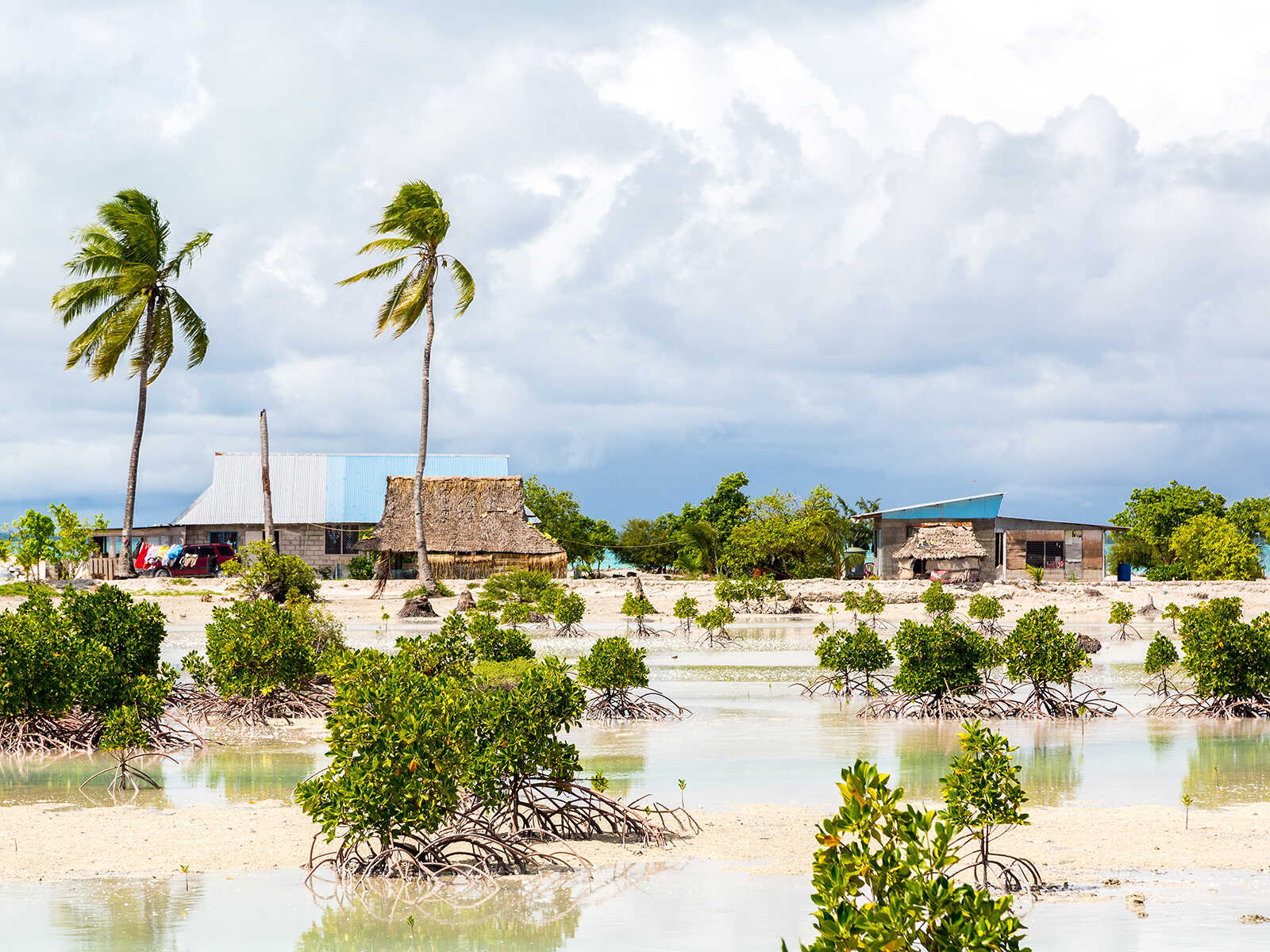
The vegetation on Kiribati's islands is hardy and well-adapted to the challenging environment. Coconut palms (Cocos nucifera) dominate the landscape, providing food and shelter for both humans and wildlife. Other common plants include pandanus (Pandanus tectorius), breadfruit, and various salt-tolerant shrubs and grasses that stabilize the sandy soil.
Land Crabs and Insects
Terrestrial fauna primarily consists of invertebrates. Various species of land crabs are abundant, including the impressiveCoconut Crab(Birgus latro), the largest land arthropod in the world. These nocturnal scavengers play a crucial role in the atoll ecosystem. Other crabs, such as ghost crabs and hermit crabs, are commonly seen scuttling along the beaches and through vegetation. A variety of insects also form an essential part of the food web.
Conservation Challenges and Efforts
Kiribati's unique wildlife faces significant threats, primarily from climate change, which manifests as sea-level rise, ocean acidification, and changes in weather patterns. Other challenges include plastic pollution, overfishing, and habitat degradation. The I-Kiribati people, with their deep connection to the ocean, are at the forefront of conservation efforts.
The Phoenix Islands Protected Area (PIPA), a UNESCO World Heritage site, is a testament to Kiribati's commitment to marine conservation. While remote, this vast protected area safeguards pristine coral reefs and a wealth of marine biodiversity. Local communities and NGOs also work on initiatives such as waste management, sustainable fishing practices, and education to protect their precious natural heritage.
Experiencing Kiribati's Wildlife Responsibly
For visitors keen to explore Kiribati's natural wonders, responsible tourism is key. Whether you're bird watching on Kiritimati or snorkeling the vibrant reefs near Tarawa or other outer islands, adhere to ethical guidelines:
- Respect Wildlife:Observe from a distance. Do not disturb nesting birds or marine animals.
- Practice "Leave No Trace":Take all your rubbish with you and avoid single-use plastics.
- Support Local Conservation:Choose tour operators and accommodations that demonstrate a commitment to environmental sustainability.
- Be Mindful Underwater:Avoid touching corals, as even a gentle touch can damage them. Ensure your fin kicks don't stir up sediment or harm marine life.
Kiribati offers an unparalleled opportunity to witness wildlife thriving in one of the world's most remote and beautiful settings. By understanding its unique ecosystems and visiting responsibly, you contribute to the preservation of these irreplaceable natural wonders for generations to come.