
Is Kiribati Worth Visiting? An Unbiased Traveler's Perspective
Kiribati, a nation of 33 low-lying atolls scattered across the vast Pacific, remains one of the world's least-visited countries. For the intrepid traveler seeking an experience far removed from mainstream tourism, its allure is undeniable, but it comes with its own set of unique considerations. This article offers an unbiased look at what to expect, helping you decide if this remote paradise is your next destination.
The Allure of the Atolls: What Makes Kiribati Unique?
Kiribati offers a glimpse into a way of life deeply intertwined with the ocean and traditional Pacific island culture. Its geographical isolation has preserved a unique charm, untouched by mass tourism.
Pristine Natural Beauty
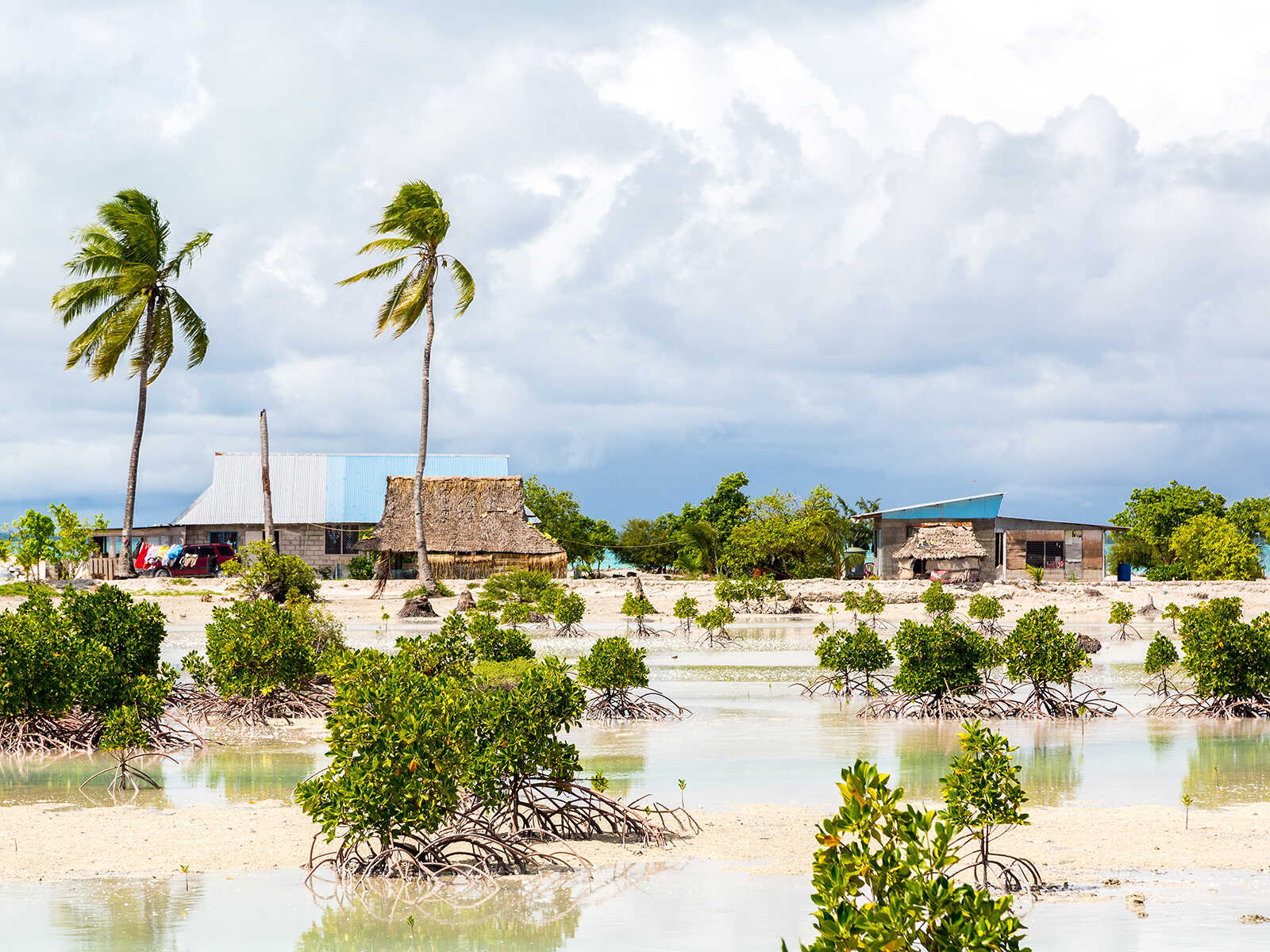
Imagine endless stretches of white sand beaches, fringed by swaying palm trees, with lagoons teeming with vibrant marine life. Kiribati delivers this idyllic vision. The water clarity is often astounding, making it a paradise for snorkeling and diving enthusiasts. The sheer vastness of the ocean surrounding these tiny landmasses creates a profound sense of peace and remoteness.
A Rich Cultural Tapestry
The I-Kiribati people are known for their warmth, hospitality, and strong communal bonds. Visitors have the opportunity to experience authentic Pacific island culture, from traditional song and dance (Te Bino) to local fishing practices and village life. English is an official language alongside I-Kiribati, but a willingness to engage with locals and learn a few basic phrases will greatly enhance your experience.
Fun Fact:Kiribati is the only country in the world to straddle all four hemispheres, with islands in the Northern, Southern, Eastern, and Western hemispheres!
Historical Significance
Despite its small size, Kiribati played a crucial role in World War II.Tarawa, specifically the island of Betio, was the site of one of the bloodiest battles in the Pacific theater. Remnants of the conflict, including bunkers, guns, and memorial sites, are stark reminders of its past, offering a powerful historical experience for visitors.
Navigating the Challenges: What to Expect
While Kiribati promises an extraordinary adventure, it's crucial to arrive with realistic expectations. This isn't a destination for luxury resorts or seamless travel.
Limited Infrastructure
Tourism infrastructure is basic. Accommodations are typically guesthouses or small hotels, often without the amenities Western travelers might expect. Transportation between islands can be infrequent and reliant on local ferries or small planes, which may not operate on strict schedules. Patience and flexibility are paramount.
Accessibility and Cost
Getting to Kiribati requires dedication. International flights are limited, primarily connecting through Fiji or Honolulu. Due to its remoteness, travel within and to Kiribati can be expensive. Visitors should budget accordingly for flights, inter-island transport, and accommodation.
Environmental Vulnerability
Kiribati is at the forefront of the climate change crisis. Its low-lying atolls are highly susceptible to rising sea levels and coastal erosion. While this reality highlights the urgency of visiting and supporting the local economy, it also presents a poignant backdrop to the natural beauty, underscoring the delicate balance of life on these islands.
Key Destinations and Experiences
Tarawa: The Heart of the Nation
The capital atoll,Tarawa, is where most visitors begin their journey. It's the most populated and developed part of Kiribati, offering a fascinating blend of traditional life and the realities of a modernizing island nation. Explore the bustling markets, witness the daily life of the I-Kiribati, and visit historical sites related to the Battle of Tarawa. The Parliament Building is also located here, an interesting architectural landmark.
Kiritimati(Christmas Island): A Fisherman's Paradise
Part of the Line Islands,Kiritimati is the world's largest coral atoll by land area. It's renowned globally as a premier destination for fly-fishing, particularly for bonefish and giant trevally. Beyond fishing,Kiritimati is a significant bird sanctuary, home to millions of seabirds, making it a dream for birdwatchers. The sheer scale and isolation of this island are truly awe-inspiring.
Beyond the Main Atolls: Remote Wonders
For those seeking even greater solitude, Kiribati offers other remote islands. The Line Islands, including Tabuaeran(Fanning Island), offer pristine lagoons and a chance to experience truly isolated island life. The Phoenix Islands Protected Area, a UNESCO World Heritage site, is one of the largest and deepest marine protected areas in the world, though access is highly restricted. Within this area lies Nikumaroro island, famous for its association with the disappearance of Amelia Earhart, adding a layer of mystery to its natural beauty.
Who is Kiribati For?
Kiribati is not for every traveler. It appeals most to:
- Adventure Seekers:Those who relish off-the-beaten-path destinations and are prepared for unexpected challenges.
- Cultural Enthusiasts:Travelers eager to immerse themselves in authentic Pacific island traditions and connect with local communities.
- Responsible Tourists:Visitors who understand the delicate ecosystem and cultural fabric of such a vulnerable nation and strive to minimize their impact.
- Nature Lovers:Divers, snorkelers, birdwatchers, and fishing enthusiasts will find unparalleled opportunities.
- History Buffs:Particularly those interested in World War II history in the Pacific.
Preparing for Your Trip
To make the most of your Kiribati adventure:
- Visa & Health:Check visa requirements well in advance. Consult your doctor about recommended vaccinations.
- Packing Essentials:Bring light clothing, reef-safe sunscreen, insect repellent, a wide-brimmed hat, sturdy sandals, and basic medical supplies. A good book or offline entertainment is also advisable.
- Respect Local Customs:Dress modestly, especially in villages. Always ask for permission before taking photos of people. Embrace the slower pace of island life.
- Be Self-Sufficient:Wi-Fi and reliable electricity can be scarce. Consider a portable power bank and be prepared for limited connectivity.
Conclusion: Is Kiribati Worth It?
For the right traveler, Kiribati is undeniably worth visiting. It offers a rare opportunity to experience a truly unspoiled and culturally rich corner of the world. It demands patience, adaptability, and a genuine desire to connect with a unique environment and its people. You won't find five-star resorts or tourist traps here. Instead, you'll discover genuine hospitality, breathtaking natural beauty, a profound sense of history, and the quiet dignity of a nation facing an uncertain future. If you seek an authentic, challenging, and deeply rewarding travel experience, Kiribati awaits.