
7-Day Kiribati Itinerary: Exploring Tarawa & Kiritimati
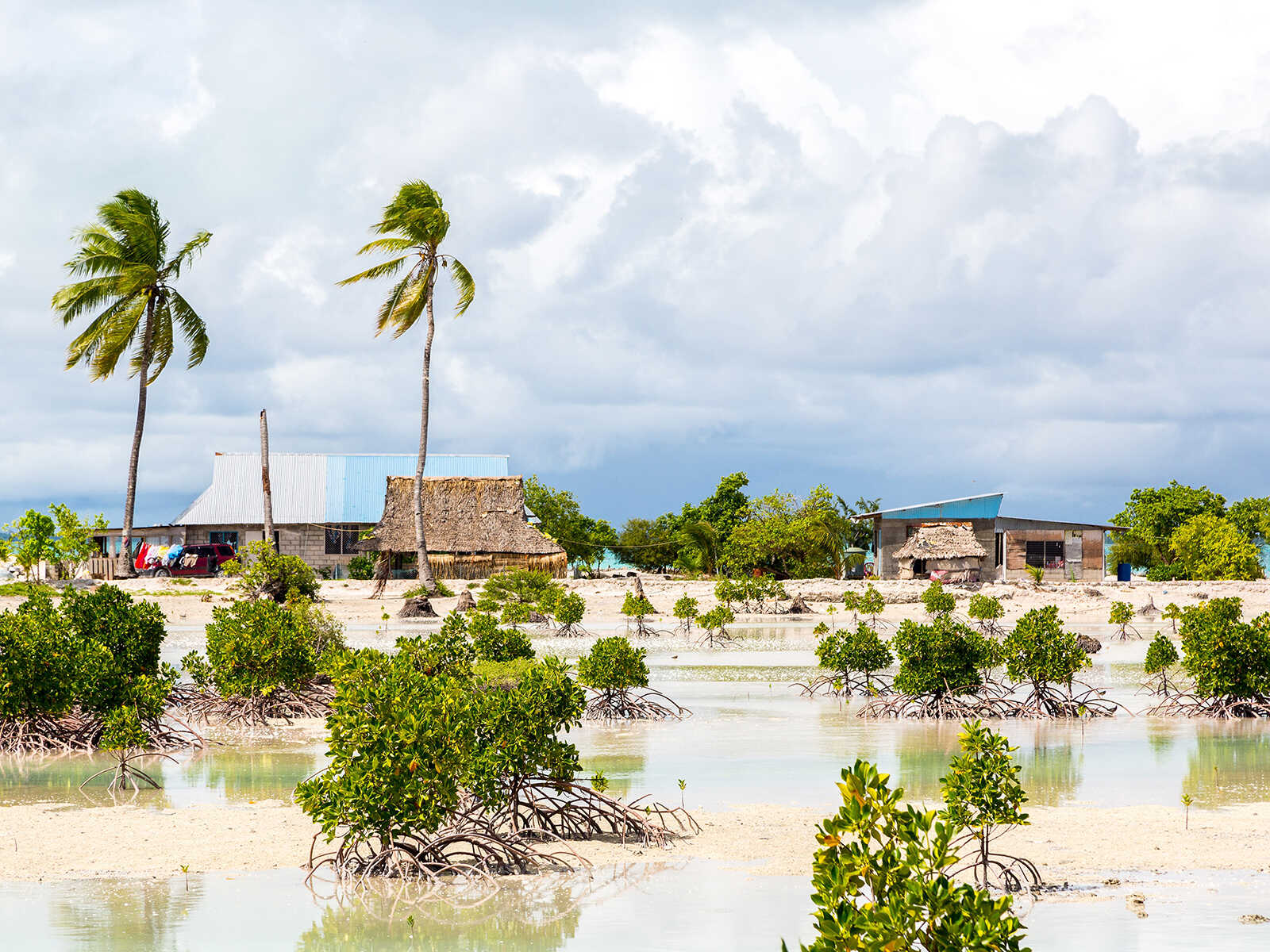
Embark on an extraordinary journey to Kiribati, a remote island nation scattered across the vast Pacific. This 7-day itinerary invites you to discover the unique blend of history, culture, and pristine natural beauty found on two of its most significant atolls:Tarawa and Kiritimati.
Kiribati, an acronym for "Gilberts" in the local i-Kiribati language, offers an unparalleled opportunity to witness life at the forefront of climate change, explore World War II relics, and immerse yourself in a vibrant Polynesian culture. From the bustling administrative heart of Tarawa to the remote, bird-filled expanses of Kiritimati(Christmas Island), this itinerary promises an adventure unlike any other.
Day 1: Arrival in Tarawa & Local Flavours
Your journey begins with your arrival at Bonriki International Airport (TRW) on Tarawa. After settling into your accommodation, take some time to acclimatize to the tropical warmth and the laid-back pace of island life. Spend your afternoon exploring the immediate vicinity of your guesthouse, perhaps strolling along the lagoon side or visiting a local market to get a first taste of daily life.
The markets are a sensory delight, brimming with fresh seafood, tropical fruits, and handcrafted goods. Engage with the friendly locals, known for their welcoming smiles and hospitality. For dinner, seek out a local eatery to savor fresh fish, often prepared simply but deliciously, reflecting the ocean’s bounty.
Day 2: Unveiling Tarawa's WWII History
Tarawa holds a poignant place in history, being the site of one of the bloodiest battles of World War II in the Pacific. Dedicate this day to exploring the battlefields and memorials on Betio islet. Start at the Betio Landing Beach, where remnants of Japanese fortifications, gun emplacements, and bunkers are still visible.
Visit the Japanese Memorial, a serene spot overlooking the lagoon, and the American Memorial, which honors the fallen Marines. The rusting tanks and abandoned artillery pieces scattered across the islet offer a stark reminder of the fierce fighting that took place here. A local guide can provide invaluable insights and stories, bringing the historical significance of these sites to life.
The Battle of Tarawa in November 1943 was a pivotal and brutal engagement, providing valuable lessons for amphibious assaults in the Pacific Theatre.
Day 3: Cultural Immersion & Government Insight
Today is dedicated to experiencing the contemporary culture and governance of Kiribati. Begin your morning with a visit to the Parliament Building in Ambo. While tours inside may require prior arrangement, its distinctive architecture and location by the lagoon are worth seeing. It offers a glimpse into the democratic processes of this unique nation.
Later, immerse yourself in local village life. Many guesthouses can arrange visits to nearby communities where you might observe traditional weaving, fishing techniques, or even participate in abwati(traditional dance) performance. The afternoon could be spent relaxing by the lagoon, snorkeling in its clear waters, or kayaking, offering a different perspective of the atoll.
Day 4: Journey to Kiritimati (Christmas Island)
Today marks a significant transition as you fly from Tarawa to Kiritimati(Christmas Island), the world's largest coral atoll by land area. This inter-island flight offers spectacular views of the vast Pacific Ocean and the scattered atolls below. Upon arrival at Cassidy International Airport (CXI), you'll immediately notice the difference:Kiritimati is far less populated and developed than Tarawa, offering a true sense of remoteness.
After checking into your accommodation, take some time to explore the immediate surroundings.Kiritimati is renowned for its incredible fly-fishing opportunities and its untouched natural beauty. Enjoy a quiet evening, perhaps stargazing, as the lack of light pollution here is truly remarkable.
Day 5: Kiritimati's Avian Wonders & Salt Flats
Kiritimati is a paradise for birdwatchers, home to millions of seabirds across its numerous islets and lagoons. Today, embark on an excursion to one of the protected bird sanctuaries, such as Cook Island or Motu Tabu. You'll witness vast colonies of frigatebirds, boobies, terns, and petrels nesting and soaring overhead – a truly spectacular sight.
Explore the expansive salt flats and hypersaline lagoons that define much of the atoll's interior. These unique environments support a diverse ecosystem and provide crucial habitats for various species. A knowledgeable local guide is essential for navigating these areas and identifying the different bird species. Remember to bring binoculars and a good camera!
Day 6: Pristine Beaches & Water Adventures
Spend your penultimate day indulging in Kiritimati's pristine marine environment. For fishing enthusiasts, this is the prime opportunity to experience world-class bonefishing and deep-sea fishing. The atoll's flats are famous for their healthy bonefish populations, offering an exhilarating challenge.
If fishing isn't your passion, explore some of the island's untouched beaches. Many stretches of coastline are completely deserted, offering solitude and breathtaking beauty. Snorkel in the crystal-clear lagoons, discovering vibrant coral reefs and an array of tropical fish. Pack a picnic lunch and spend the day unwinding in this untouched paradise.
Kiritimati is home to some of the world's most significant seabird populations, making it a critical site for avian biodiversity.
Day 7: Kiritimati Exploration & Departure
On your final day, enjoy a leisurely breakfast and perhaps one last stroll along the beach, savoring the tranquility of Kiritimati. Depending on your flight schedule, you might have time for a final activity, such as a visit to the small local villages to purchase handicrafts or simply soak in the peaceful atmosphere.
Reflect on the incredible experiences you've had, from the historical depths of Tarawa to the natural wonders of Kiritimati. Kiribati offers a journey far removed from typical tourist trails, providing a unique insight into a resilient culture and a fragile ecosystem. Depart from Cassidy International Airport (CXI) with memories of a truly unforgettable South Pacific adventure.
Practical Information for Your Kiribati Trip
Getting There & Around
International flights typically arrive at Bonriki International Airport (TRW) on Tarawa. Flights between Tarawa and Kiritimati are operated by the national airline, Air Kiribati, or Fiji Airways, though schedules can be infrequent and subject to change, so plan accordingly. On Tarawa, shared taxis and minibuses are common for getting around. On Kiritimati, transport is usually arranged through your accommodation or local guides.
Accommodation
Accommodation options in Kiribati are generally simple but clean and comfortable. On Tarawa, you'll find a few guesthouses and hotels. On Kiritimati, options are more limited, often consisting of fishing lodges or basic guesthouses. It's highly recommended to book well in advance, especially for Kiritimati.
What to Pack
- Lightweight, breathable clothing (modest attire is appreciated)
- Reef-safe sunscreen, hat, and sunglasses
- Insect repellent
- Swimwear and snorkeling gear (if you have your own)
- Comfortable walking shoes and sandals
- Basic first-aid kit
- Reusable water bottle
- Adapter for Type I sockets
- Cash (Australian Dollars are the local currency)
Cultural Etiquette
The I-Kiribati people are warm and friendly. Modesty in dress is appreciated, especially outside of resort areas. Always ask for permission before taking photos of individuals. A simple "Mauri" (hello) and "Ko rabwa" (thank you) in i-Kiribati will go a long way.
Best Time to Visit
Kiribati experiences a tropical climate year-round. The drier season, from May to November, is generally considered the best time to visit, with less rainfall and slightly cooler temperatures. However, travel is possible throughout the year.
Health & Safety
Consult your doctor about necessary vaccinations well before your trip. Drink bottled or purified water. Be aware of strong currents if swimming in the ocean. Always inform someone of your travel plans, especially when venturing to remote areas.