
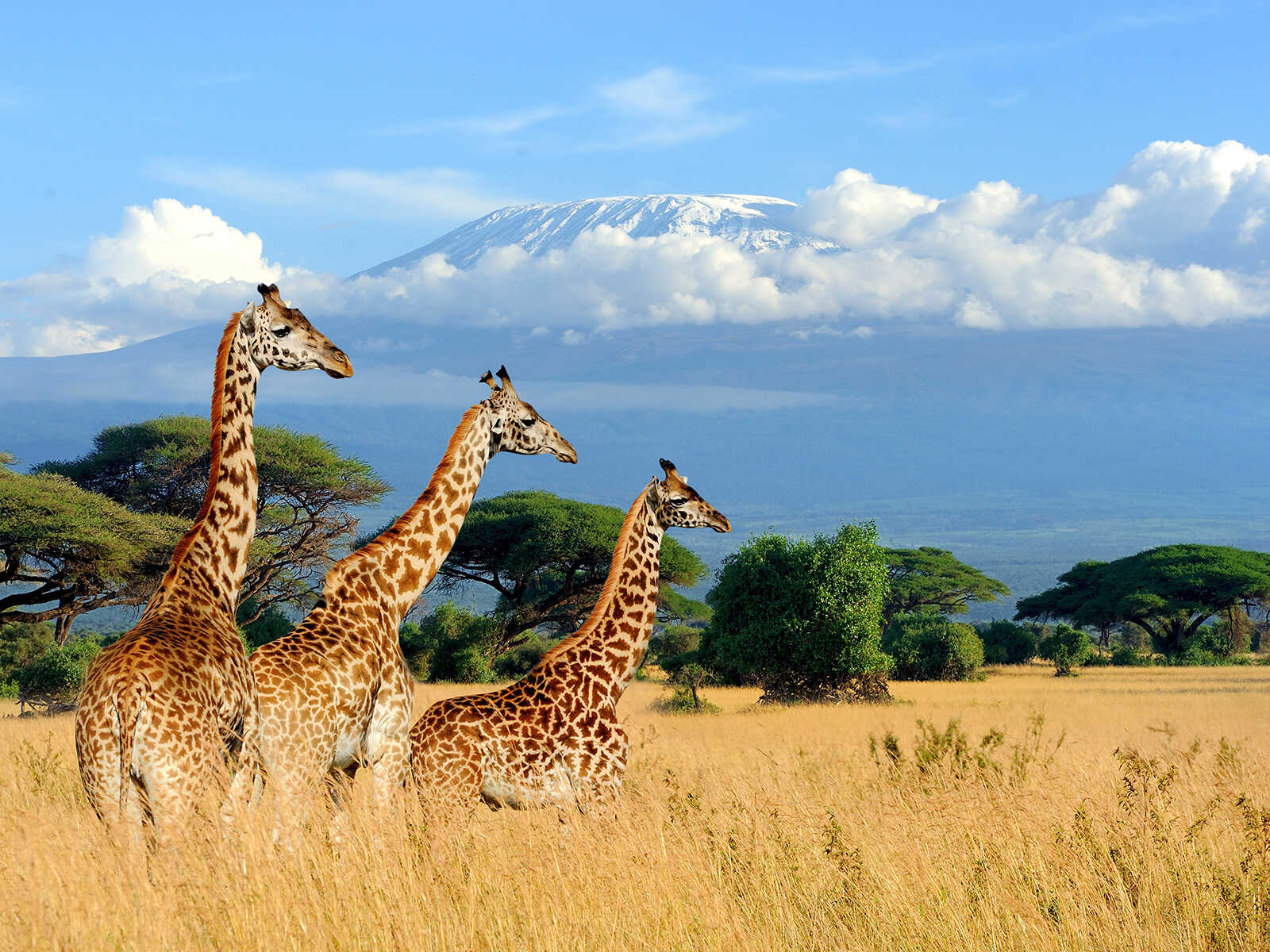
What to Pack for a Kenya Safari: Essential Gear & Clothing Checklist
Embarking on a Kenya safari is a dream come true for many, offering unparalleled wildlife encounters and breathtaking landscapes. Proper preparation, especially when it comes to packing, is crucial to ensure a comfortable, safe, and truly unforgettable adventure. This comprehensive guide will help you curate the perfect packing list, ensuring you're ready for anything the diverse Kenyan wilderness throws your way.
The Golden Rule: Less is More & Layers are Key
Safari adventures often involve light aircraft transfers with strict luggage weight limits (typically 15-20 kg/33-44 lbs in a soft-sided bag). Overpacking is a common mistake that can lead to extra fees or leaving items behind. Focus on versatile items that can be layered, as temperatures can vary significantly from cool mornings and evenings to hot midday sun, especially in areas like the Maasai Mara National Reserve or Amboseli National Park.
Expert Tip:Always check with your safari operator or airline about specific luggage restrictions, especially for internal bush flights. Soft-sided duffel bags are almost always preferred over hard suitcases.
Clothing Essentials for Your Kenya Safari
Choosing the right clothing is paramount for comfort and blending into the natural environment.
Colors and Fabrics
- Colors:Stick to neutral tones like khaki, olive green, grey, brown, and tan. These colors are less disruptive to wildlife and less attractive to insects. Avoid bright colors, white (gets dirty quickly), and dark blue or black (can attract tsetse flies, particularly in areas like Tsavo West National Park).
- Fabrics:Opt for lightweight, breathable, moisture-wicking materials like cotton, linen, or quick-dry synthetics.
Tops
- Long-Sleeved Shirts:2-3 pairs. Essential for sun protection, warmth in the mornings/evenings, and protection from insect bites. Look for convertible sleeves.
- T-Shirts/Short-Sleeved Tops:3-4 pairs. Good for layering during warmer parts of the day.
Bottoms
- Convertible Safari Pants:2-3 pairs. These are ideal as they zip off into shorts, offering versatility for varying temperatures and activities.
- Comfortable Shorts:1-2 pairs, for relaxing in camp or very hot afternoons.
- Long Pants (for evenings):One pair of comfortable jeans or chinos for dinner.
Outerwear
- Fleece Jacket or Sweater:One warm layer is crucial for chilly early morning game drives and evenings.
- Lightweight Waterproof Jacket:A packable, waterproof and windproof jacket is invaluable, especially during the rainy seasons (April-May, Nov-Dec), or in higher altitudes like Aberdare National Park.
Footwear
- Comfortable Walking Shoes/Light Hiking Boots:One pair. Essential for walking safaris (e.g., in Hells Gate National Park) or just moving around camp. Ensure they are broken in.
- Sandals/Flip-flops:One pair for relaxing, showering, or hotter days.
- Socks:3-4 pairs of moisture-wicking socks.
Headwear & Accessories
- Wide-Brimmed Hat:Crucial for sun protection for your face and neck during long hours outdoors.
- Sunglasses:Protect your eyes from the strong African sun and dust.
- Scarf or Bandana:Versatile for dust protection, sun protection for your neck, or a bit of warmth.
Essential Gear and Equipment
Beyond clothing, certain gear will significantly enhance your safari experience.
Photography Gear
- Camera:A DSLR or mirrorless camera with a good zoom lens (e.g., 70-300mm or more) is highly recommended for capturing wildlife from a distance.
- Extra Batteries & Charger:Power sources can be limited.
- Plenty of Memory Cards:You'll take more photos than you think!
- Dust Protection:Lens cloth, blower brush, and a waterproof/dustproof bag for your camera.
Optics
- Binoculars:Absolutely essential! A good pair (8x42 or 10x42) will bring distant wildlife, like the flamingos of Lake Nakuru or elephants in David Sheldrick Wildlife Trust, up close and personal. Many safari vehicles have some, but having your own is a game-changer.
Health and Safety
- Personal First-Aid Kit:Include pain relievers, anti-diarrhea medication, antiseptic wipes, bandages, blister treatment, rehydration salts.
- Insect Repellent:With DEET (30-50%) or picaridin for mosquito and tsetse fly protection.
- Sunscreen:High SPF.
- Hand Sanitizer:For hygiene on the go.
- Personal Medications:Carry enough for your entire trip, plus a few extra days, in your carry-on bag.
- Malaria Prophylaxis:Consult your doctor about anti-malarial medication.
Documents and Money
- Passport & Visa:Ensure validity and have copies (physical and digital).
- Flight Tickets & Itinerary:Keep these accessible.
- Travel Insurance Details:Crucial for any emergencies.
- Debit/Credit Cards:Inform your bank of your travel plans.
- Some Local Currency (KES):Useful for small purchases and tips, especially in smaller towns or markets.
Electronics
- Power Bank:To keep your phone and other devices charged.
- Universal Travel Adapter:Kenya uses Type G (UK standard) sockets.
- Chargers:For all your electronic devices.
Miscellaneous
- Small Daypack:For daily game drives, carrying water, camera, and other essentials.
- Reusable Water Bottle:Stay hydrated and reduce plastic waste. Many camps provide filtered water.
- Small Flashlight/Headlamp:Useful in camps at night.
- Wet Wipes:For quick clean-ups.
- Journal and Pen:To jot down memories and observations.
Important Considerations for Your Packing List
Luggage Type
As mentioned, soft-sided duffel bags are preferred, especially if your itinerary involves light aircraft flights to destinations like the Maasai Mara National Reserve or Ol Pejeta Conservancy. Hard suitcases can be difficult to fit into small baggage compartments.
Cultural Sensitivity
When visiting local communities, towns, or cities like Nairobi National Park's surroundings or the coastal charm of Lamu, it's respectful to dress modestly. This means covering shoulders and knees, especially for women.
Climate Variability
Kenya's climate varies by region and altitude. While the plains are generally warm, areas near Mount Kenya or the Great Rift Valley can experience cooler temperatures, especially at night. Pack layers to adapt to these changes.
Specific Activities
If your safari includes specific activities beyond game drives, adjust your packing. For example, if you plan to hike Mount Kenya, you'll need specialized climbing gear. If you're spending time on the coast in Malindi after your safari, remember your swimwear and beach essentials.
A Quick Safari Packing Checklist
- ✓ 2-3 Long-sleeved shirts (neutral colors)
- ✓ 3-4 T-shirts/short-sleeved tops (neutral colors)
- ✓ 2-3 Convertible safari pants
- ✓ 1-2 Shorts
- ✓ 1 Fleece jacket/sweater
- ✓ 1 Lightweight waterproof jacket
- ✓ 1 Comfortable walking shoes/light hiking boots
- ✓ 1 Sandals/flip-flops
- ✓ 3-4 pairs of socks
- ✓ Wide-brimmed hat
- ✓ Sunglasses
- ✓ Scarf/bandana
- ✓ Binoculars
- ✓ Camera with zoom lens, extra batteries, memory cards
- ✓ Personal first-aid kit & medications
- ✓ Insect repellent & sunscreen
- ✓ Passport, visa, travel documents
- ✓ Power bank & universal adapter
- ✓ Small daypack & reusable water bottle
Packing for a Kenya safari doesn't have to be daunting. By focusing on practical, versatile, and essential items, you'll be well-prepared for an incredible journey. Remember, the goal is to be comfortable and ready to fully immerse yourself in the magic of the African wilderness. Happy travels!