
Visiting Amboseli National Park: Ultimate Guide to Elephants & Kilimanjaro Views
Amboseli National Park stands as a premier destination for wildlife enthusiasts, renowned globally for its vast herds of elephants and the unparalleled, majestic backdrop of Mount Kilimanjaro. This ultimate guide will help you plan an unforgettable safari experience in one of Kenya's most iconic parks.
Located in the Kajiado County of Kenya, Amboseli offers a unique landscape of dry lake beds, sulfur springs, woodlands, and marshes. It's not just the elephants that draw visitors; the park is a vital ecosystem teeming with diverse wildlife against Africa's highest peak.
Why Amboseli National Park is a Must-Visit
Amboseli holds a special place in the hearts of many safari-goers, primarily due to two compelling features: its incredible elephant population and the iconic views of Mount Kilimanjaro. The park's open plains and sparse vegetation make wildlife spotting relatively easy, and the permanent swamps fed by Kilimanjaro's meltwaters provide crucial watering holes, attracting animals year-round.
The name "Amboseli" comes from a Maasai word meaning "salty dust," reflecting the arid conditions for much of the year. However, beneath this dusty surface lies a network of springs and swamps, creating a surprising oasis of lush greenery in places.
Getting to Amboseli National Park
Amboseli is conveniently located approximately 240 kilometers (150 miles) southeast of Nairobi, making it accessible for both short and longer safaris.
- By Road:The most common way to reach Amboseli is by road. The journey from Nairobi takes around 4-5 hours, depending on traffic and road conditions. Most safari operators use 4x4 vehicles, which are essential for navigating the park's internal tracks.
- By Air:For a quicker and more scenic option, scheduled flights operate from Wilson Airport in Nairobi directly to Amboseli's airstrip. This reduces travel time significantly, allowing more time for game viewing.
Many visitors choose to combine an Amboseli safari with other nearby parks like Tsavo West National Park, which offers a different landscape and wildlife experience, or a visit to the David Sheldrick Wildlife Trust in Nairobi, where you can see orphaned elephants being cared for.
Best Time to Visit Amboseli
Amboseli offers good wildlife viewing opportunities throughout the year, but certain seasons enhance the experience:
- Dry Season (June to October & January to February):This is generally considered the best time for wildlife viewing. The vegetation is sparser, and animals congregate around the permanent water sources, making them easier to spot. The skies are also clearer, offering the best chances for unobstructed views of Kilimanjaro.
- Wet Season (November to December & March to May):While wildlife can be more dispersed due to abundant water, the wet season brings lush green landscapes, fewer tourists, and spectacular bird migrations. Kilimanjaro views can be obscured by clouds, but the dramatic skies often make for stunning photographic opportunities.
The Elephants of Amboseli
Amboseli is synonymous with elephants. It hosts one of Africa's largest and most studied elephant populations, with over 1,500 individuals. The park is famous for the long-term research conducted here, allowing visitors to often recognize individual elephants by their unique tusks and ear patterns.
The elephants here are known for their impressive size and the ease with which they can be observed, often against the backdrop of Kilimanjaro. Witnessing these gentle giants traversing the plains, sometimes cooling off in the swamps, is a truly humbling experience.
Did you know?Amboseli's elephants are some of the longest-studied in the world. Research here has provided invaluable insights into elephant social structures, communication, and ecology.
Other Wildlife Encounters
While elephants are the stars, Amboseli is home to a rich diversity of other wildlife, including:
- Big Cats:Lions, cheetahs, and leopards are present, though the latter two can be more elusive.
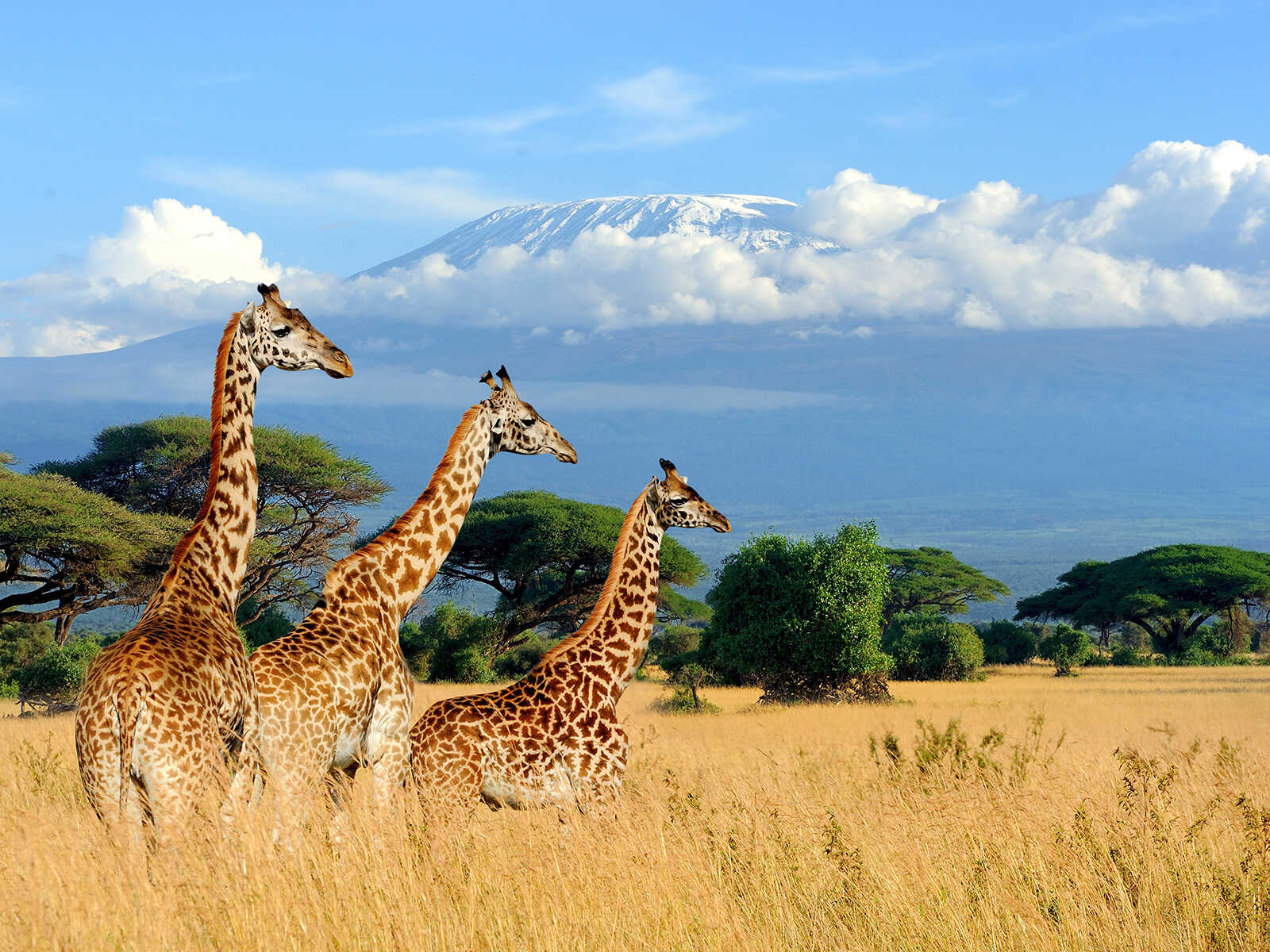
- Plains Game:Zebras, wildebeest, giraffes, buffalo, and various antelope species are common.
- Birds:With over 400 species recorded, Amboseli is a birder's paradise, especially around the swamps and marshes. Look out for pelicans, flamingos, and many raptors.
- Hippos:Found in the park's permanent swamps.
Capturing Kilimanjaro: Iconic Views
The snow-capped peak of Mount Kilimanjaro, rising majestically across the border in Tanzania, provides an unparalleled photographic backdrop for Amboseli's wildlife. The best time to capture these postcard-perfect shots is usually early morning or late afternoon when the light is soft, and the mountain is often clearest before clouds roll in.
The Observation Hill, a pyramid-shaped viewpoint, offers panoramic vistas of the entire park, including the swamps, plains, and a breathtaking perspective of Kilimanjaro. It's one of the few places in the park where visitors are permitted to alight from their vehicles.
Activities in Amboseli National Park
- Game Drives:The primary activity, conducted in 4x4 safari vehicles. Experienced guides will lead you through the park, tracking animals and sharing their knowledge. Morning and afternoon drives are most productive when animals are most active.
- Walking Safaris:Available in certain areas outside the main park boundaries or with armed rangers in designated areas, offering a different perspective on the bush and its smaller inhabitants.
- Maasai Village Visits:Experience the vibrant culture of the Maasai people, who live in harmony with the park. These visits often include traditional dances, a glimpse into their daily lives, and opportunities to purchase local handicrafts.
Accommodation Options
Amboseli offers a range of accommodation to suit different preferences and budgets, from luxurious lodges to more rustic tented camps. Options are available both inside and just outside the park boundaries. Staying inside the park allows for earlier morning game drives and late evening returns, maximizing your time in the bush.
Practical Tips for Your Amboseli Safari
- What to Pack:Light, neutral-colored clothing for game drives, warm layers for early mornings and evenings, a wide-brimmed hat, sunscreen, insect repellent, good walking shoes, and a swimsuit if your lodge has a pool.
- Photography Gear:A good camera with a zoom lens (200-400mm is ideal), extra batteries, and plenty of memory card space are essential for capturing wildlife and landscapes. Binoculars are also highly recommended.
- Respect Wildlife:Maintain a safe distance from animals, never feed them, and follow your guide's instructions. Keep noise to a minimum to avoid disturbing the wildlife.
- Stay Hydrated:The African sun can be intense. Drink plenty of water throughout the day.
- Book in Advance:Especially during peak season, accommodation and safari tours can fill up quickly.
Beyond Amboseli: Exploring More of Kenya
Kenya is a land of diverse landscapes and experiences. After your Amboseli adventure, consider extending your trip to other incredible destinations:
- For the iconic Great Migration, head to the Maasai Mara National Reserve.
- To see the rare northern white rhinos and chimpanzees, visit Ol Pejeta Conservancy.
- Explore the unique geothermal features of Hells Gate National Park, where you can cycle among wildlife.
- Discover the breathtaking landscapes of the Great Rift Valley, home to numerous lakes like Lake Nakuru, famous for its flamingos.
- For a challenging climb and stunning alpine scenery, consider Mount Kenya.
A visit to Amboseli National Park promises not just a safari, but an experience that imprints itself on your memory. The sight of majestic elephants roaming free with Kilimanjaro standing sentinel is a quintessential African dream brought to life.