
Best Time to Visit Jordan: A Seasonal Guide for Travelers
Jordan, a land steeped in ancient history and breathtaking natural beauty, offers an unforgettable journey for every traveler. To truly maximize your experience, understanding the seasonal variations and how they impact your visit is key. This comprehensive guide will help you pinpoint the ideal time for your Jordanian adventure. Jordan's climate is predominantly arid to semi-arid, characterized by hot, dry summers and cool winters. However, its diverse geography – from the desert landscapes of Wadi Rum to the mountainous regions near Petra and the coastal stretch of Aqaba – means weather conditions can vary significantly across the country. Planning your trip around these climatic nuances ensures you can comfortably explore its wonders, whether you're hiking ancient trails or floating in the Dead Sea.Spring (March – May): The Golden Window
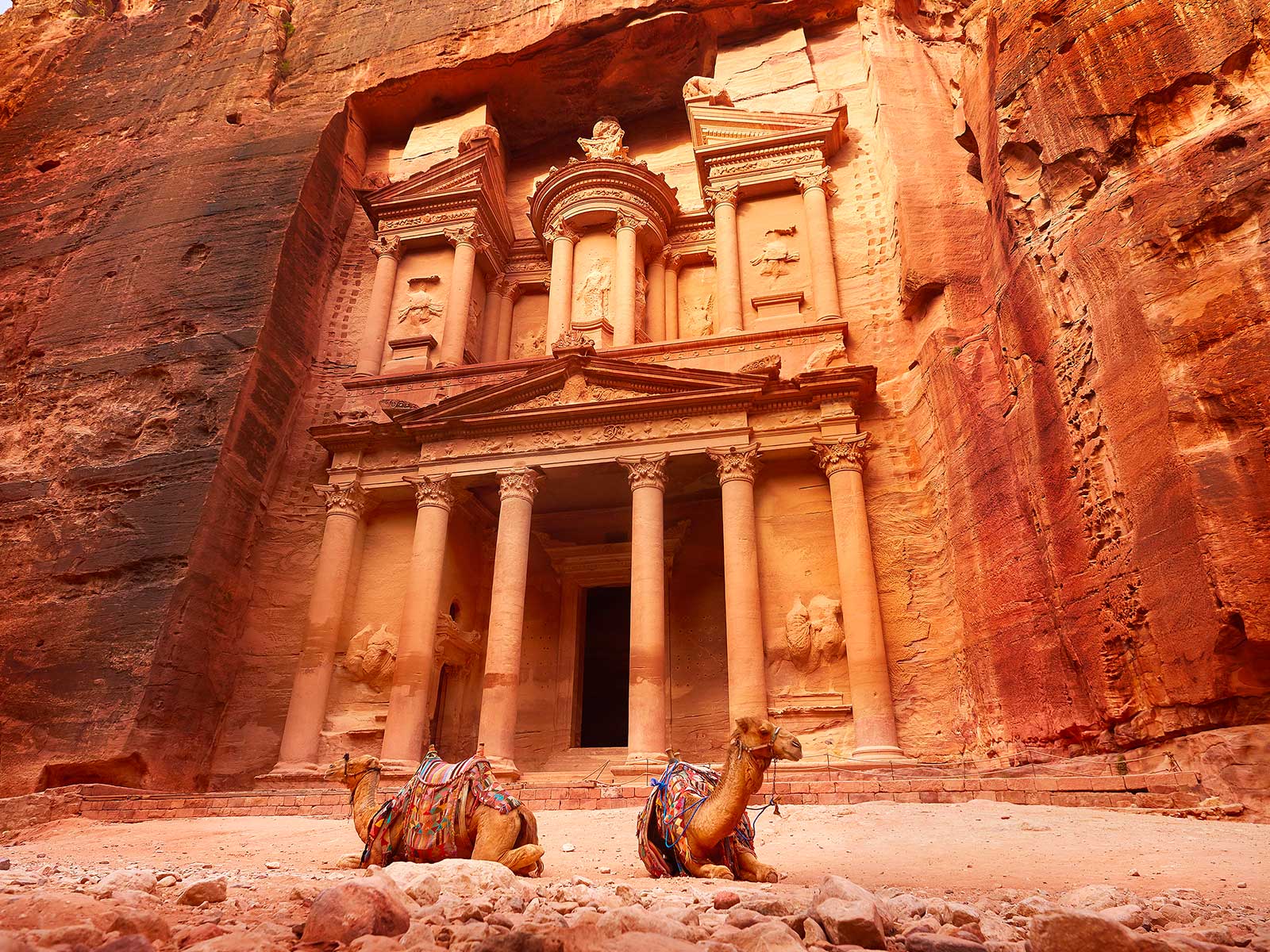
Often hailed as the best time to visit Jordan, spring brings perfect weather conditions across most of the country. Temperatures are pleasantly mild, ranging from 18°C to 25°C (64°F to 77°F), making it ideal for extensive sightseeing and outdoor activities. The landscapes, particularly in the northern and central regions, transform into a vibrant tapestry of wildflowers and greenery after the winter rains, offering stunning photographic opportunities. This season is perfect for exploring the ancient Nabataean city of Petra, where you can comfortably hike through the Siq and discover its iconic monuments without the intense summer heat. The vast, otherworldly desert landscape of Wadi Rum is also a joy to explore, whether by jeep tour, camel trek, or even stargazing under clear, mild nights. For nature enthusiasts, spring is the prime time to visit Jordan's nature reserves like Dana Biosphere Reserve, where hiking trails are at their most inviting, or to experience the thrilling water canyons of Mujib Nature Reserve(typically open from April). Historical sites such as the remarkably preserved Roman ruins of Jerash Ruins are also a delight to wander through.- Pros:Ideal weather for all activities, lush landscapes, comfortable for hiking and extended exploration.
- Cons:Peak tourist season, meaning higher crowds at popular sites and potentially higher accommodation costs. Booking in advance is highly recommended.
Traveler Tip:While spring is generally sunny, evenings can still be cool, especially in the desert. Pack layers to adapt to temperature changes throughout the day.
Summer (June – August): Desert Heat and Coastal Escapes
Summer in Jordan is characterized by hot, dry weather, with temperatures often soaring above 30°C (86°F) and reaching into the high 30s or even 40s°C (100s°F) in desert areas like Wadi Rum and the Jordan Valley. While this might deter some, it offers a unique experience for others. The Red Sea resort town of Aqaba becomes a popular retreat, offering refreshing waters for snorkeling, diving, and relaxing on the beach. Similarly, the buoyant waters of the Dead Sea provide a unique escape from the heat, with its mineral-rich mud and therapeutic properties. For those exploring historical sites, early morning or late afternoon visits are essential to avoid the harshest midday sun. Cities like Amman, while warm, have air-conditioned museums such as the Royal Automobile Museum and cultural sites that can be explored.- Pros:Fewer crowds at inland sites, excellent for water activities in Aqaba and the Dead Sea, potential for lower prices on flights and accommodation.
- Cons:Intense heat can make extensive outdoor sightseeing challenging and uncomfortable.
Autumn (September – November): Pleasant Returns
Much like spring, autumn is another fantastic time to visit Jordan. The scorching summer heat begins to subside, giving way to warm, pleasant days and cooler, comfortable evenings. Temperatures generally range from 20°C to 30°C (68°F to 86°F) in September, gradually cooling down to 15°C to 20°C (59°F to 68°F) by November. The landscapes are still beautiful, though perhaps less green than in spring. This season is perfect for revisiting all the major historical and natural attractions. Hiking through Petra and spending nights under the stars in Wadi Rum are once again highly recommended. Exploring the mosaic city of Madaba and the biblical site of Mount Nebo becomes very enjoyable. It’s also a great time to drive the scenic King’s Highway, stopping at various castles and viewpoints along the way, or to visit Al-Maghtas(Bethany Beyond the Jordan) to explore a significant religious site.- Pros:Excellent weather for all types of tourism, fewer crowds than spring (especially in early autumn), comfortable for active exploration.
- Cons:Can still be busy, especially in October.
Winter (December – February): Cooler Charm and Unique Experiences
Winter in Jordan brings cooler temperatures, especially in the central and northern highlands, where occasional rainfall and even snowfall can occur. Temperatures can range from 5°C to 15°C (41°F to 59°F) in Amman and Wadi Musa(the town outside Petra), while the Jordan Valley,Dead Sea, and Aqaba remain milder, often staying above 15°C (59°F). Visiting Petra in winter offers a unique, crowd-free experience, with the possibility of seeing the ancient city dusted with snow – a truly magical sight.Wadi Rum can be chilly at night but offers crisp, clear days perfect for desert exploration, often with dramatic cloud formations. The Dead Sea and Aqaba are still enjoyable for those seeking warmer temperatures and water activities. This season is also excellent for cultural immersion in cities and towns, enjoying local cuisine and exploring museums.- Pros:Fewest crowds, potential for unique snowy landscapes, competitive prices, pleasant for the Dead Sea and Aqaba.
- Cons:Cooler temperatures, shorter daylight hours, some outdoor activities may be weather-dependent, occasional heavy rain or snow can affect travel plans in higher elevations.
Factors to Consider When Planning Your Trip
Beyond the weather, several other elements can influence the best time for your Jordan visit:Crowds and Cost
Peak seasons (spring and autumn) see the highest number of tourists, leading to more crowded sites and potentially higher prices for flights and accommodation. If you prefer a quieter experience and budget travel, consider the shoulder months (early March, late November) or the off-peak summer and winter seasons.
Specific Interests
- Hiking & Adventure:Spring and Autumn are ideal for extensive hiking in Dana Biosphere Reserve,Mujib Nature Reserve,Petra, and Wadi Rum.
- Beach & Water Sports:Summer and early autumn are perfect for the Red Sea in Aqaba and floating in the Dead Sea.
- Cultural & Historical Exploration:All seasons are suitable, but spring and autumn offer the most comfortable conditions for outdoor sites like Jerash Ruins,Madaba, and Mount Nebo.
Religious Holidays
Jordan is a Muslim-majority country, and major holidays like Ramadan and Eid al-Fitr/Eid al-Adha are observed. While it's still possible to travel during these times, some services may operate on reduced hours, and alcohol consumption might be restricted. However, it also offers a unique opportunity to experience local culture and traditions.