
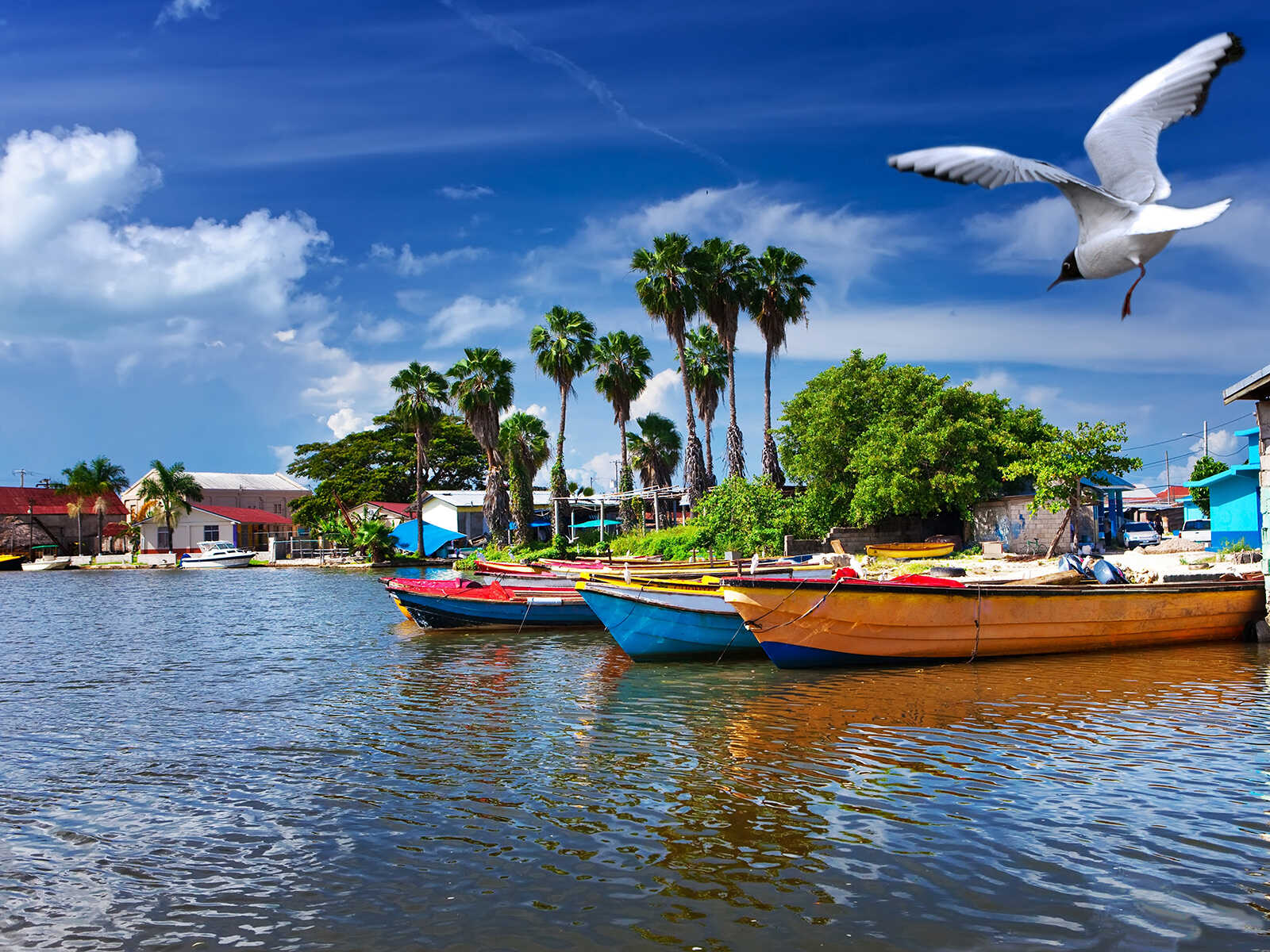
Is Jamaica Safe for Tourists? Essential Safety Tips for Travelers
Jamaica, with its vibrant culture, stunning beaches, and rhythmic reggae beats, beckons travelers worldwide. While the island offers an unforgettable experience, like any destination, understanding its safety landscape is key to a worry-free vacation. This comprehensive guide provides factual insights and practical tips to ensure your Jamaican adventure is both exhilarating and secure.
Understanding Safety in Jamaica: A Balanced Perspective
Concerns about safety are natural when planning international travel, and Jamaica is no exception. Media reports can sometimes paint an incomplete picture, focusing on isolated incidents rather than the broader reality for tourists. The truth is, millions of visitors enjoy Jamaica safely each year, largely thanks to the island's strong focus on tourism infrastructure and security in popular areas.
While crime rates do exist, particularly in specific urban areas not frequented by tourists, incidents directly affecting visitors are relatively low. The vast majority of Jamaican people are friendly, welcoming, and eager to share their beautiful country. By exercising common sense and adhering to practical safety guidelines, you can significantly mitigate risks and fully immerse yourself in the island's charm.
Common Safety Concerns and Realities for Tourists
Understanding the types of issues you might encounter helps in preparing for them.
Petty Crime and Scams
The most common issues tourists might face are petty crimes like pickpocketing, bag snatching, or opportunistic theft, especially in crowded markets, public transport, or less-trafficked areas. Visitors may also encounter persistent vendors or individuals trying to sell goods or services, some of whom can be quite assertive. Scams, while not widespread, can occur, often involving overcharging for services or fake goods.
Serious Crime
Serious crimes, including violent offenses, are unfortunately a reality in some parts of Jamaica, primarily linked to gang activity and drug trafficking. However, these incidents overwhelmingly occur in specific communities and are rarely directed at tourists. Major tourist zones such as Negril Seven Mile Beach, Montego Bay's Hip Strip (near Doctor's Cave Beach), and Ocho Rios are generally well-patrolled and safer.
Road Safety
Driving conditions in Jamaica can be challenging due to narrow, winding roads, aggressive drivers, and sometimes poorly maintained surfaces. Accidents are common, and pedestrians often share the roads with vehicles. If you plan to rent a car, be prepared for a different driving experience than you might be used to.
Natural Disasters
Jamaica is located in an active hurricane zone, with the season typically running from June to November. Earthquakes can also occur, though severe ones are less frequent. It's wise to be aware of the season and local emergency procedures.
Fun Fact:Jamaica is the third-largest island in the Caribbean, rich in diverse landscapes from lush mountains like the Blue Mountains National Park to pristine white sand beaches.
Essential Safety Tips for Travelers in Jamaica
Being prepared and proactive is your best defense against potential issues.
Before You Go
- Research and Plan:Familiarize yourself with your destination. Know the reputable areas and those to avoid.
- Travel Insurance:Invest in comprehensive travel insurance that covers medical emergencies, trip cancellations, and theft.
- Document Copies:Keep photocopies or digital images of your passport, visa, and other important documents separate from the originals.
- Register Your Trip:If your home country offers a traveler registration service, use it. This helps your embassy contact you in an emergency.
During Your Stay
- Choose Reputable Accommodation:Stick to established hotels, resorts, or guesthouses with good reviews. Many offer enhanced security measures.
- Secure Transportation:Use only licensed taxis (look for red license plates with PPV), pre-arranged airport transfers, or tour operators recommended by your hotel. Avoid unmarked vehicles. For excursions like visiting Dunn's River Falls and Park or YS Falls, use established tour companies.
- Be Mindful of Your Belongings:Keep valuables out of sight. Avoid displaying expensive jewelry, cameras, or large amounts of cash. Use hotel safes for passports and extra cash.
- Situational Awareness:Be aware of your surroundings, especially in crowded areas or at night. Trust your instincts. If a situation feels uncomfortable, remove yourself from it.
- Money Matters:Use ATMs located inside banks or major hotels during daylight hours. Be cautious when withdrawing cash. Have small denominations for minor purchases.
- Nightlife Safety:If you're out enjoying the nightlife, travel in groups. Limit alcohol intake and never leave your drink unattended. Stay in well-lit, populated areas.
- Drug Laws:Jamaica has strict laws against drug possession and trafficking, including marijuana, despite its cultural presence. Penalties are severe.
- Water Safety:Always swim in designated areas. Be aware of strong currents, especially in areas like the Blue Lagoon or Blue Hole Jamaica. Only participate in water sports with reputable operators.
- Food and Drink:Drink bottled water and ensure food is cooked thoroughly, especially from street vendors. Stay hydrated.
- Respect Local Culture:Engage respectfully with locals. A polite but firm "no, thank you" is usually sufficient if approached by vendors.
- Avoid Isolated Areas:Steer clear of unlit streets, deserted beaches (even popular ones like Winnifred Beach or Frenchman’s Cove beach can be less safe after dark), and areas known for high crime.
- Emergency Contacts:Know the local emergency numbers (Police: 119, Ambulance/Fire: 110) and your embassy's contact information.
Exploring Jamaica Safely
Jamaica offers a wealth of incredible experiences, from cultural immersions to natural wonders. With smart planning, you can enjoy them all.
Popular Tourist Destinations
Areas like Montego Bay, Ocho Rios, and Negril are generally very safe for tourists. These regions have a strong tourism presence, with resorts, attractions, and tour operators catering specifically to visitors. Whether you're exploring the Bob Marley Museum in Kingston, taking a rafting trip down the Martha Brae River or Rio Grande, or visiting Nine Mile, stick to reputable guides and organized tours.
Venturing Off the Beaten Path
While exploring lesser-known gems like Reach Falls or taking an Appleton Estate tour can be rewarding, it's crucial to do so with caution. Always arrange transportation through trusted sources and consider hiring a local guide who knows the area. Avoid solo travel to remote or unfamiliar locations, especially after dark.
Checking Government Travel Advisories
Before and during your trip, it's always recommended to consult your home country's official travel advisories for Jamaica. These advisories are regularly updated and provide objective information regarding current safety and security situations, health warnings, and entry requirements. They are an invaluable resource for making informed travel decisions.
Embracing the Jamaican Experience
Jamaica is a country of unparalleled beauty, warm hospitality, and a vibrant spirit that captures the hearts of many. By staying informed, exercising good judgment, and adhering to these practical safety tips, you can confidently explore its wonders. From its pristine beaches to its lush interior, Jamaica awaits to offer you an enriching and memorable journey, filled with rhythm, flavor, and the unforgettable 'irie' vibe.