
Italy in Summer: Dealing with Heat & Crowds (June-August)
Summer in Italy, from June to August, is a season of vibrant energy, long sun-drenched days, and an undeniable allure. While the thought of exploring ancient ruins or lounging on picturesque beaches under the Mediterranean sun is enticing, it also brings the challenges of significant heat and bustling crowds. With the right preparation and mindset, however, a summer trip to Italy can still be an unforgettable experience.
Embracing the Summer Spirit: Why Visit Italy in June-August?
Despite the well-known drawbacks, summer remains an incredibly popular time to visit Italy, and for good reason. The country truly comes alive with a festive atmosphere, outdoor dining, and a plethora of events. From open-air concerts to local sagre (food festivals) celebrating regional delicacies, there's a palpable sense of joy and relaxation. Coastal regions sparkle, offering refreshing dips in the sea, while cities buzz with late-night activity. Long daylight hours mean more time for exploration, and the vibrant social scene is at its peak.
Understanding the Challenges: Heat and Crowds
The Heat Factor
Italian summers, especially in July and August, can be intensely hot. Southern regions and major inland cities like Rome, Florence, and Milan frequently experience temperatures soaring into the 30s°C (high 80s to 90s°F), often accompanied by high humidity. This can make daytime sightseeing, particularly at exposed historical sites, quite demanding. The heat can be draining, leading to fatigue and making physical activity uncomfortable. Air conditioning is not always universal, particularly in older establishments or smaller towns, so prepare for warm interiors as well.
The Crowd Factor
June to August is peak tourist season in Italy, coinciding with school holidays across Europe and North America. This means popular destinations will be significantly more crowded. Expect long lines at major attractions like the Doge's Palace in Venice or the Leaning Tower in Pisa. Public transportation, particularly trains and vaporetto in Venice, can be packed. Accommodation prices are at their highest, and popular restaurants may require reservations far in advance. Even charming towns in Tuscany or the famously picturesque villages of Cinque Terre will see a significant influx of visitors.
Fun Fact:August is traditionally the month offerragostoin Italy, a national holiday on August 15th, and a period when many Italians take their own summer vacations, often heading to the coast or mountains. This can lead to some city services being reduced and coastal areas becoming even more crowded.
Strategic Planning: Beating the Heat and Crowds
Timing is Everything
To maximize comfort and minimize frustration, start your days early. Aim to visit major attractions right when they open, typically around 8:00 or 9:00 AM. This allows you to explore for a few hours before the midday heat and crowds become overwhelming. Similarly, late afternoons and evenings, after 4:00 PM, offer cooler temperatures and often fewer people as day-trippers depart. Embrace the Italian tradition of a midday siesta or a leisurely, long lunch indoors to escape the peak heat.
Smart Itinerary Design
Consider a balanced itinerary that mixes popular cities with cooler or less-frequented destinations. For example, after a few days exploring Venice, you might head to the Dolomites for mountain air or a smaller, charming town in Tuscany like Siena or Montemerano. Prioritize museums, galleries, and indoor attractions for the hottest hours of the day. Seek out places with water, whether it's the beaches of Puglia, the lakes of the north, or the thermal springs of Saturnia, for refreshing breaks.
Booking Ahead
This cannot be stressed enough for summer travel. Secure your accommodation, especially in popular areas, several months in advance. For major attractions like Saint Mark's Basilica or the Vatican Museums, pre-purchasing timed entry tickets online is essential to bypass long queues. This also applies to popular train routes and specific tours, such as a gondola ride near the Rialto Bridge or a guided visit to Fondaco dei Tedeschi for rooftop views. Even restaurant reservations, particularly for dinner, are highly recommended in tourist hotspots.
Packing & Personal Care: Staying Comfortable
Wardrobe Wisdom
Pack light, breathable fabrics like linen, cotton, and rayon in light colors that reflect the sun. Loose-fitting clothing is key. A wide-brimmed hat, sunglasses, and comfortable walking sandals or shoes are non-negotiable. Remember to pack modest attire (shoulders and knees covered) for visiting churches and religious sites, which are often a cool refuge from the heat. A light scarf or shawl can be useful for covering up when needed.
Hydration & Sun Protection
Staying hydrated is crucial. Carry a reusable water bottle and refill it frequently at public fountains (nasoniin Rome, or other designated drinking water sources). Sunscreen with a high SPF is a must, applied regularly. Seek shade whenever possible, whether under an awning, a tree, or inside a cool cafe. And don't forget the ultimate Italian cooling treat: gelato!
Siesta & Slow Travel
Embrace the Italian rhythm. Plan for a mid-day break to escape the heat, whether it's a nap, a long lunch, or simply relaxing in an air-conditioned cafe. Don't try to cram too much into each day. Allow for spontaneous stops, people-watching, and simply soaking in the atmosphere. This slower pace will make your trip more enjoyable and less exhausting.
Navigating Popular Destinations in Summer
Cities (e.g., Rome, Florence, Venice)
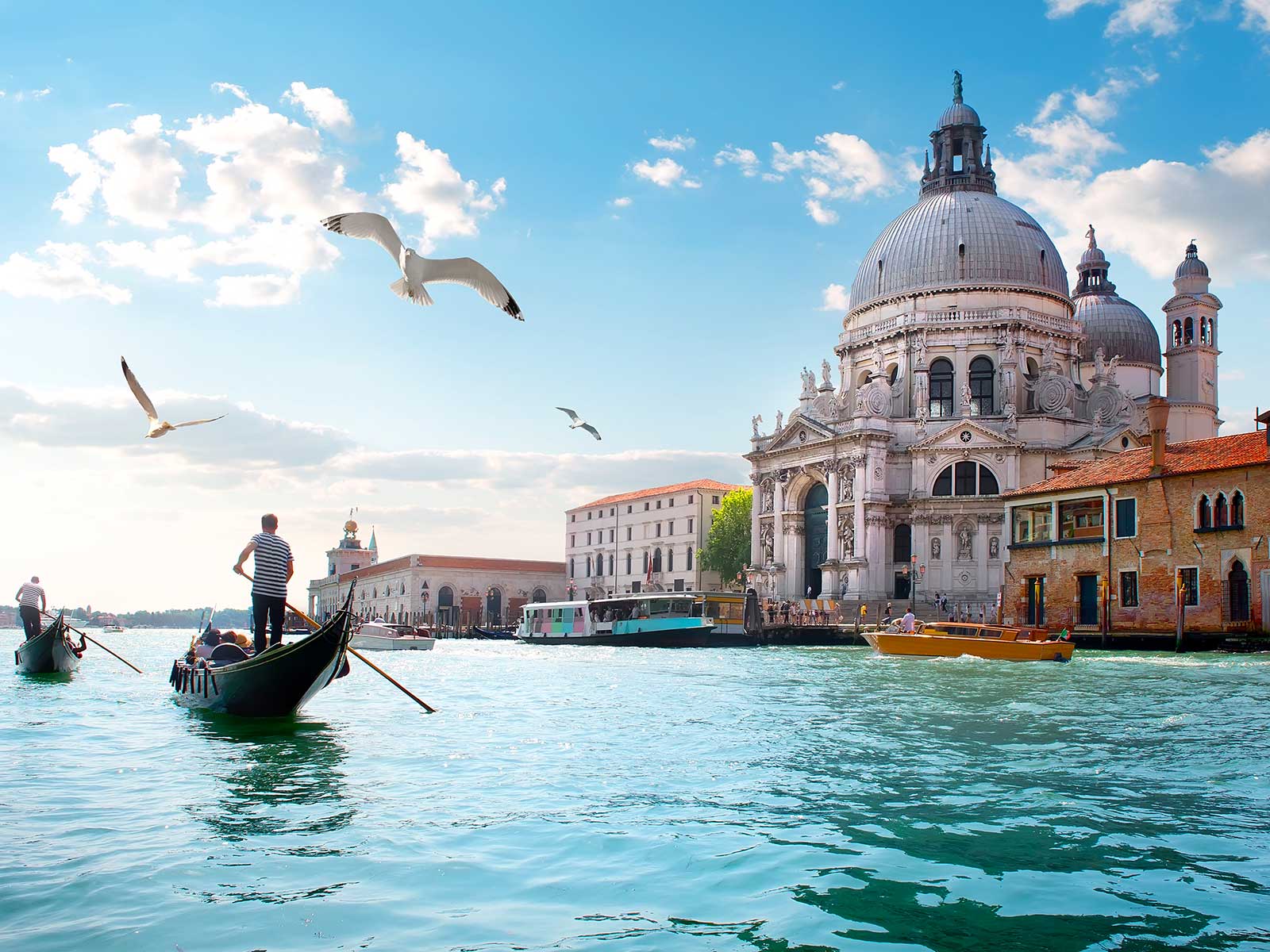
In cities like Venice, early morning is ideal for exploring Piazza San Marco or walking across the Ponte dell'Accademia before the crowds descend. Museums offer a cool escape during the hottest part of the day. Take advantage of vaporetto rides along the Grand Canal to catch a breeze, and explore quieter neighborhoods like Dorsoduro in the late afternoon. Consider a day trip to the colorful island of Burano, which offers a different pace. Evenings are magical for strolls and outdoor dining, perhaps admiring the Basilica di Santa Maria della Salute illuminated against the night sky.
Coastal Areas (e.g., Cinque Terre, Amalfi Coast)
These regions are exceptionally popular in summer. Book accommodations and any desired boat tours well in advance. While beautiful, the walking trails of Cinque Terre can be very hot and crowded, so consider taking local trains or ferries between villages. Prioritize swimming during midday to cool off, and enjoy the evenings for seaside dining.
Countryside (e.g., Tuscany)
The rolling hills of Tuscany offer a slightly more relaxed pace than the major cities, but it can still be very hot. Staying in an agriturismo with a pool is highly recommended. Plan vineyard tours or visits to charming towns like Siena for the cooler morning or late afternoon hours. Enjoy long, leisurely dinners al fresco as the sun sets.
Embrace the Italian Lifestyle
Ultimately, a summer trip to Italy is about embracing the local way of life. This means enjoying long, multi-course meals, participating in the aperitivo culture, and taking time to savor moments rather than rushing from one sight to the next. Be flexible with your plans, maintain a positive attitude, and remember that a little heat and a few crowds are a small price to pay for the magic of Italy.
With careful planning, strategic timing, and a willingness to adapt, your summer Italian adventure can be everything you've dreamed of and more. Enjoy the sunshine, the food, the culture, and the unforgettable vibrancy that only Italy in summer can offer.