
Italian Food: A Regional Guide to the Best Dishes & Culinary Traditions
Italy's culinary landscape is as diverse as its breathtaking scenery, a tapestry woven with centuries of history, local ingredients, and distinct cultural influences. Forget the misconception of a single "Italian food"; true Italian cuisine is a vibrant mosaic of regional specialties, each telling a unique story. Join us on a delicious journey from the Alps to the Mediterranean, discovering the authentic flavors that define Italy's gastronomic soul.
Italian unification in 1861 brought together a collection of independent states, each with its own culinary heritage shaped by geography, climate, and historical rulers. This rich tapestry of traditions means that a dish found in Sicily might be completely unknown in Lombardy, and vice versa. Understanding these regional nuances is key to truly appreciating the depth and variety of Italian food. From hearty mountain fare to delicate coastal seafood, every corner of Italy offers a unique culinary adventure.
Northern Italy: Richness and Innovation
Piedmont: Truffles, Wine, and Hearty Fare
Nestled against the Alps, Piedmont is a land of robust flavors and luxurious ingredients. Famous for its white truffles, particularly from Alba, this region's cuisine is rich and earthy. Dishes often feature slow-cooked meats, decadent pasta, and superb wines like Barolo and Barbaresco.
- Tajarin al Tartufo Bianco:Thin egg pasta often served simply with butter and generous shavings of white truffle.
- Agnolotti del Plin:Small pinched pasta pockets typically filled with roasted meats and and served with a simple butter and sage sauce or a rich meat gravy.
- Bollito Misto:A grand platter of various boiled meats, often served with different accompanying sauces.
Lombardy: Risotto, Polenta, and Saffron Hues
The fertile plains of Lombardy, centered around Milan, are renowned for creamy risottos and hearty polenta dishes. Dairy products, including butter and cheeses like Gorgonzola and Taleggio, are staples in this region's cooking.
- Risotto alla Milanese:A creamy saffron-infused risotto, often served with osso buco.
- Cotoletta alla Milanese:A breaded and fried veal cutlet, similar to a Wiener Schnitzel.
- Panettone:While enjoyed nationwide, this sweet bread with candied fruit and raisins originated in Milan and is a Christmas staple.
Veneto: Seafood, Polenta, and Venetian Delights
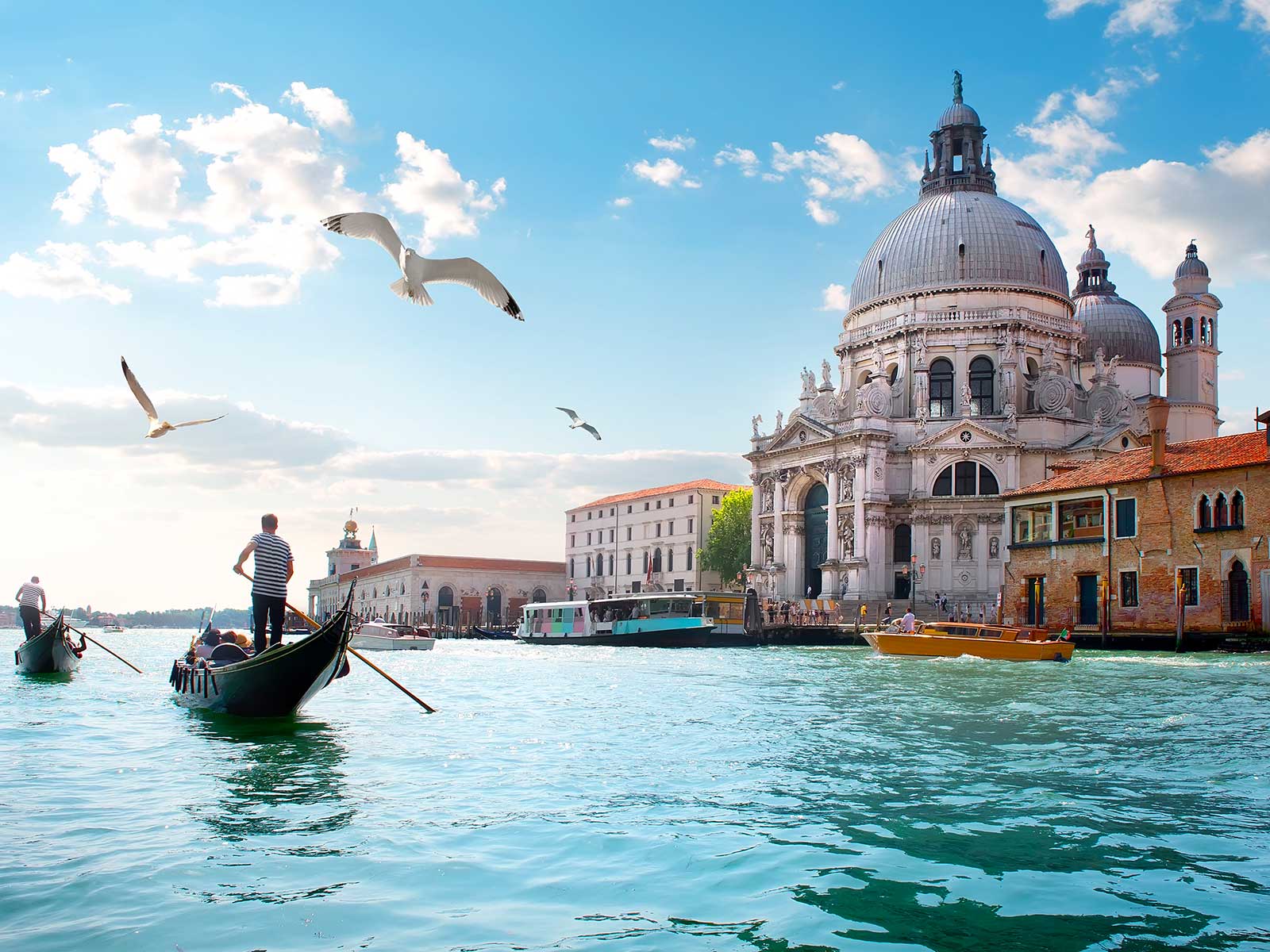
The Veneto region, with its iconic capital Venice, boasts a cuisine heavily influenced by its lagoon and historical trade routes. Seafood is prominent, alongside polenta, rice, and fresh vegetables. Venetian culinary tradition is unique, offering a delightful contrast to other Italian regions. When exploring Venice, be sure to sample some of these specialties in a local osteria near the Rialto Bridge or in the charming district of Dorsoduro.
- Sarde in Saor:Fried sardines marinated with onions, pine nuts, and raisins – a classic Venetian appetizer often found in abacaro(traditional wine bar) near Sotoportego de l'Erbaria.
- Risotto al Nero di Seppia:Risotto made with cuttlefish ink, giving it a striking black color and rich flavor.
- Baccalà Mantecato:Creamed codfish, typically served on polenta or crusty bread.
- Cicchetti:Small, tapas-like snacks enjoyed with a glass of wine, perfect for a culinary crawl around Piazza San Marco or near Ponte dell'Accademia.
Local Tip:For an authentic Venetian experience, seek out a "bacaro" for cicchetti rather than sitting down for a full meal, especially after visiting landmarks like Doge's Palace or Saint Mark's Basilica.
Liguria: Pesto and Focaccia by the Sea
Stretching along the Italian Riviera, Liguria is characterized by its rugged coastline and the verdant hills that produce exquisite basil, olives, and pine nuts. The cuisine here is light, fresh, and aromatic, often featuring olive oil and herbs. The picturesque villages of Cinque Terre offer stunning views and delicious local fare.
- Pesto Genovese:The original basil pesto, made with fresh basil, pine nuts, garlic, Parmesan, Pecorino, and olive oil, often served withtrofieortrenettepasta.
- Focaccia di Recco:A thin, crispy focaccia filled with creamy stracchino cheese, a must-try.
- Farinata:A savory pancake made from chickpea flour, baked until golden and crispy.
Central Italy: Hearty and Rustic Traditions
Tuscany: Simple Elegance and Robust Flavors
Tuscany embodies the rustic charm of Italian cooking, focusing on high-quality, fresh ingredients prepared simply. Olive oil, beans, wild game, and robust red wines like Chianti are central to the region's culinary identity. Cities like Siena and towns like Montemerano offer authentic Tuscan experiences.
- Bistecca alla Fiorentina:A thick-cut, charcoal-grilled T-bone steak, typically Chianina beef, served rare and seasoned simply with salt and pepper.
- Ribollita:A hearty bread and vegetable soup, often reheated ("reboiled") for enhanced flavor.
- Pappa al Pomodoro:A thick, rustic soup made with ripe tomatoes, garlic, basil, and stale bread.
- Crostini Toscani:Toasted bread topped with a savory chicken liver pâté.
Emilia-Romagna: The Food Valley
Often called "Italy's Food Valley," Emilia-Romagna is a gastronomic powerhouse. It's the birthplace of iconic ingredients like Parmigiano Reggiano, Prosciutto di Parma, Traditional Balsamic Vinegar, and some of Italy's most beloved pasta shapes.
- Lasagne al Forno:Layers of pasta, rich Bolognese ragù, béchamel sauce, and Parmigiano Reggiano, baked to perfection.
- Tortellini in Brodo:Small, ring-shaped pasta filled with meat, typically served in a clear broth.
- Prosciutto di Parma:World-renowned cured ham, often served thinly sliced as an appetizer.
- Aceto Balsamico Tradizionale:A rich, complex balsamic vinegar aged for many years.
Lazio: Roman Classics
The cuisine of Lazio, centered around Rome, is famous for its simple yet incredibly flavorful pasta dishes, often featuring Pecorino Romano cheese andguanciale(cured pork jowl). These dishes are a testament to the region's ability to create masterpieces from humble ingredients.
- Cacio e Pepe:A deceptively simple pasta dish made with Pecorino Romano cheese, black pepper, and pasta water to create a creamy sauce.
- Carbonara:Pasta (usually spaghetti or rigatoni) withguanciale, egg yolks, Pecorino Romano, and black pepper.
- Amatriciana:A tomato-based sauce withguanciale, Pecorino Romano, and sometimes onion.
- Saltimbocca alla Romana:Veal cutlets topped with prosciutto and sage, pan-fried in white wine and butter.
Southern Italy & The Islands: Sun, Sea, and Spice
Campania: The Birthplace of Pizza
Campania, with Naples at its heart, is synonymous with pizza. The region's rich volcanic soil, abundant sunshine, and proximity to the sea contribute to its vibrant and flavorful produce, including San Marzano tomatoes and buffalo mozzarella. Its cuisine is a celebration of fresh, simple ingredients.
- Pizza Napoletana:The original Neapolitan pizza, characterized by its soft, chewy crust, simple tomato sauce, mozzarella, and fresh basil.
- Spaghetti alle Vongole:Spaghetti with clams, garlic, olive oil, and sometimes a touch of chili.
- Mozzarella di Bufala:Fresh buffalo mozzarella, prized for its creamy texture and delicate flavor.
- Sfogliatella:A shell-shaped pastry with a rich filling, a classic Neapolitan sweet.
Sicily: A Crossroads of Flavors
Sicily's cuisine is a fascinating blend of Italian, Greek, Arab, and Norman influences, resulting in a unique culinary identity. Sweet and savory combinations are common, as are seafood and abundant use of citrus, almonds, and pistachios.
- Arancini:Fried rice balls, typically filled with ragù, mozzarella, and peas.
- Pasta alla Norma:Pasta with fried eggplant, rich tomato sauce, salted ricotta, and basil.
- Cannoli:Crispy fried pastry shells filled with sweet ricotta cheese, often candied fruit or chocolate.
- Cassata Siciliana:A rich cake made with sponge cake, ricotta, candied fruit, and marzipan.
Puglia: The "Breadbasket of Italy"
Puglia, the heel of Italy's boot, is a land of ancient olive groves, fertile plains, and a long coastline. Its cuisine is known for its simplicity, fresh vegetables, seafood, and the extensive use of olive oil, earning it the nickname "the breadbasket of Italy."
- Orecchiette con le Cime di Rapa:"Little ear" pasta served with turnip tops, garlic, anchovies, and chili flakes.
- Focaccia Barese:A soft, thick focaccia typically topped with cherry tomatoes and olives.
- Burrata:A creamy fresh cheese, similar to mozzarella but with a soft, buttery interior.
Exploring Italian cuisine is a journey through history, geography, and passionate local traditions. Each region offers a unique palette of flavors, ingredients, and dishes that reflect its distinct identity. From the hearty mountain stews of the north to the sun-kissed seafood of the south, the true joy of Italian food lies in its incredible regional diversity. So, next time you plan a trip to Italy, let your taste buds be your guide and savor the authentic culinary treasures each corner has to offer.