
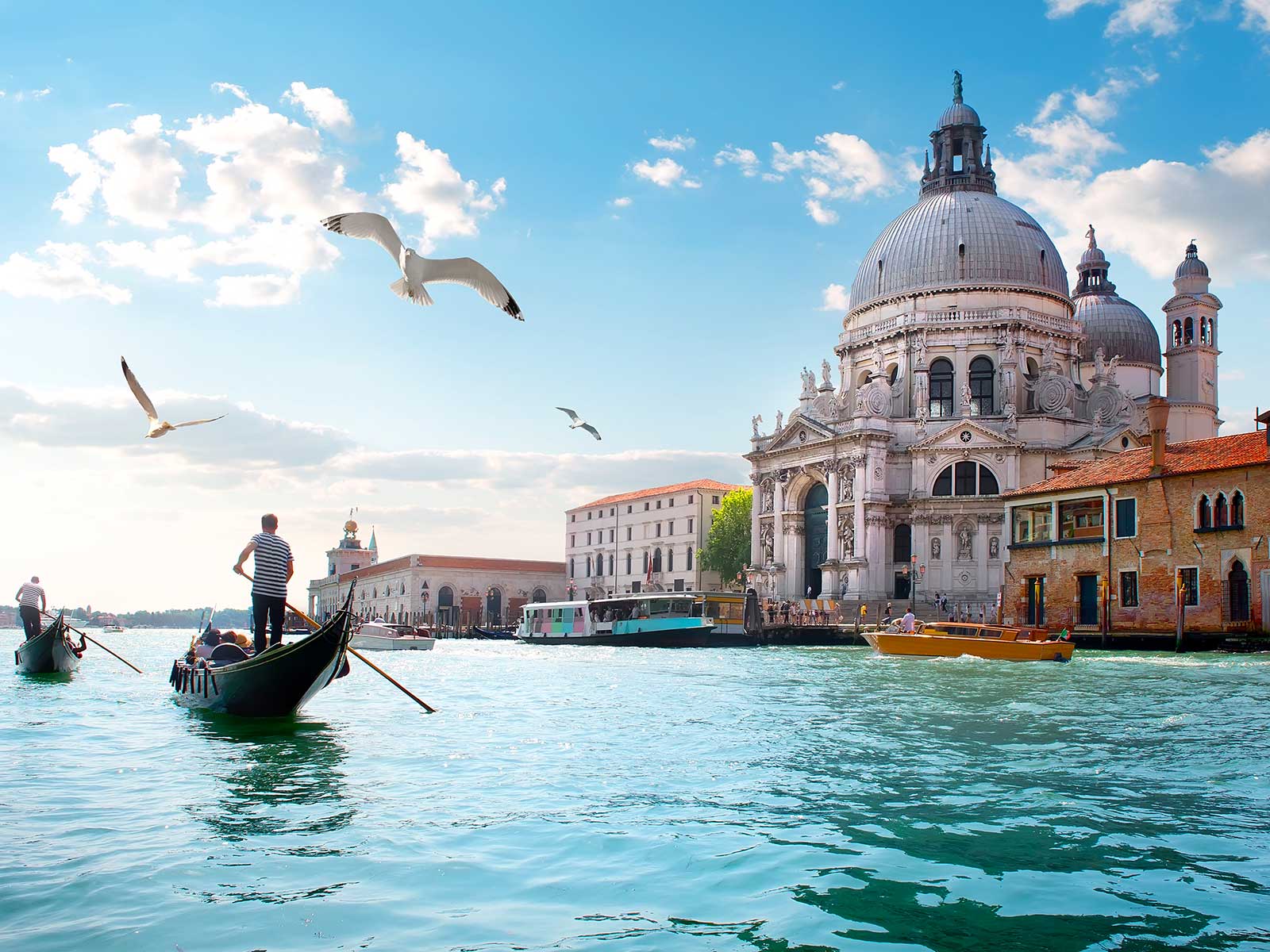
Italian Culture: Customs, Etiquette & Traditions to Know Before You Go
Italy, a land of unparalleled beauty, rich history, and exquisite cuisine, captivates millions of travelers each year. To truly immerse yourself in the Italian experience, understanding the local customs, etiquette, and traditions is key to a rewarding and respectful journey. Embrace the nuances of Italian culture, and you'll find yourself welcomed with open arms.
The Art of Greetings & Communication
Italians are generally warm and expressive, and greetings are an important part of daily interaction. Politeness goes a long way, even with a simple "Ciao" (hello/goodbye) or "Grazie" (thank you).
Formal vs. Informal Language
- Ciao:Use informally with friends, family, and younger people.
- Buongiorno:(Good morning) orBuonasera:(Good evening) are polite formal greetings for strangers, shopkeepers, and elders. UseBuongiornountil around lunchtime or early afternoon, then switch toBuonasera.
- Buonanotte:(Good night) is reserved for when you are going to bed or leaving someone for the night.
When addressing someone you don't know, especially in shops or restaurants, it's customary to use the formal "Lei" instead of the informal "tu" for "you." If in doubt, start with "Lei" – they will often invite you to use "tu" if they prefer.
Gestures Speak Louder Than Words
Italian body language is legendary and a vital part of communication. While you don't need to master every gesture, observing and understanding some common ones can be helpful.
Fun Fact:The "finger purse" gesture (fingers gathered upwards and pressed together, often accompanied by a shaking motion) is one of the most iconic Italian gestures, typically meaning "what do you want?" or "what are you saying?"
Maintain eye contact during conversations as a sign of respect and engagement. Personal space can be slightly closer than in some other cultures, especially among friends and family.
Dining Etiquette: A Culinary Journey
Food is central to Italian life, a celebration of family, community, and tradition. Understanding dining customs will significantly enhance your culinary experiences, whether in Venice or the rolling hills of Tuscany.
Meal Times & Coffee Culture
- Lunch (Pranzo):Typically served between 1:00 PM and 2:30 PM. Many shops and businesses may close for a few hours during this period, known asriposo.
- Dinner (Cena):Usually starts later than in many other countries, often between 7:30 PM and 9:30 PM, especially in major cities.
- Coffee:Espresso is the king. Order acaffèfor an espresso. Cappuccinos are strictly a breakfast drink; ordering one after noon might raise an eyebrow. If you want milk in your coffee later in the day, opt for amacchiato(espresso with a dash of milk).
Ordering & Table Manners
- The Menu:Italians typically eat meals in courses:antipasto(appetizer),primo(first course, usually pasta or soup),secondo(main course, meat or fish), andcontorno(side dish). You are not expected to order all courses, but ordering only aprimoor asecondois perfectly acceptable.
- Bread:Bread is usually served to accompany your meal, not as an appetizer. It's meant to be used to "fare la scarpetta" – to soak up the last delicious drops of sauce from your plate.
- Tipping:Tipping isn't as prevalent as in some Western countries. A "coperto" (cover charge) or "servizio" (service charge) might be included on your bill. If not, leaving a few extra euros for good service is appreciated but not mandatory.
- Wine:It's common to order house wine (vino della casa) which is often excellent and good value.
- Water:Still (naturale) or sparkling (frizzante) water is typically ordered by the bottle.
Keep your hands visible on the table (not in your lap) and avoid cutting pasta with a knife; twirl it with your fork against the side of your plate or a spoon if needed.
Fashion & Appearance
Italians take pride in their appearance, and dressing well is a part of their culture. While casual attire is fine for sightseeing, aiming for a smart-casual look will help you blend in and show respect.
- Smart Casual:Think neat jeans or trousers, collared shirts, blouses, and comfortable yet stylish shoes. Avoid overly baggy clothes, flip-flops (unless at the beach), and athletic wear outside of the gym.
- Sacred Sites:When visiting churches, cathedrals like Saint Mark's Basilica, or other religious sites, ensure your shoulders and knees are covered. Carry a light scarf or shawl for easy coverage. This rule also applies to museums or historical sites where a dress code might be implicitly expected.
Social Customs & Daily Life
Family is the cornerstone of Italian society. Extended families often live close by and gather frequently for meals and celebrations.
Punctuality & Appointments
While business meetings generally require punctuality, social gatherings can be a bit more flexible. Arriving 5-15 minutes late for a dinner invitation is usually acceptable, but it's always polite to inform your host if you expect to be significantly delayed.
The Passeggiata
A cherished tradition, thepasseggiatais the evening stroll. Especially popular in towns like Siena or along the waterways of Venice near the Rialto Bridge, it's a time for locals to walk, socialize, see and be seen, often before dinner. Join in, grab a gelato, and soak up the atmosphere in a vibrant spot like Piazza San Marco.
Shopping & Siesta
Smaller shops, especially outside of major tourist hubs, often close for a few hours in the early afternoon (1 PM to 4 PM) for lunch and rest. Plan your shopping accordingly. Supermarkets and larger chain stores typically have continuous hours.
Respecting History & Heritage
Italy is an open-air museum, from the ancient ruins of Rome to the Renaissance masterpieces of Florence and the picturesque villages of Cinque Terre. Show respect for historical sites and public spaces:
- No Littering:Always dispose of your trash properly.
- Photography:Be mindful when taking photos. Some churches or museums may prohibit flash photography or photography altogether. Always check for signs.
- Touching:Avoid touching ancient artifacts or artwork unless specifically allowed.
- Noise Levels:Keep your voice down in sacred places, museums, and residential areas.
When visiting popular attractions like the Doge's Palace or the Leaning Tower of Pisa, always follow local rules and guidelines posted by authorities.
Embracing La Dolce Vita
Ultimately, Italian culture is about savoring life's simple pleasures: good food, good company, and beautiful surroundings. Don't rush your meals, take time to enjoy your coffee, and participate in the eveningpasseggiata. Embrace the slower pace, engage with locals, and allow yourself to be charmed by the Italian way of life. Whether you're exploring the charming island of Burano or simply enjoying an aperitivo in a local bar, these cultural insights will help you connect more deeply with this magnificent country.
By understanding and respecting these customs and traditions, your journey through Italy will be not just a trip, but a truly enriching and unforgettable cultural experience.