
History of Italy for Travelers: Romans to Renaissance
Italy's landscape is a living museum, where every cobblestone and ancient wall whispers tales of empires, artists, and innovators. For travelers, understanding the profound history that shaped this incredible nation enriches every visit, transforming mere sightseeing into a journey through time.
The Roman Republic and Empire: Foundations of a Civilization
The story of Italy, as we largely know it, begins with the rise of Rome, a city that grew from humble origins on the Tiber River to become the heart of an unparalleled empire. From the founding of the Roman Republic in 509 BCE, Rome's influence expanded through military might, sophisticated governance, and remarkable engineering feats.
The transition to the Roman Empire under Augustus in 27 BCE marked a golden age of peace and prosperity, known as the Pax Romana. This era saw the construction of iconic structures that still stand today, such as the Colosseum, the Roman Forum, and countless aqueducts and roads that crisscrossed Europe and beyond. Roman law, language (Latin), and administrative systems laid the groundwork for much of Western civilization. Travelers exploring Rome can walk in the footsteps of emperors and gladiators, witnessing the grandeur of a civilization that profoundly shaped the world.
The Fall and Fragmentation: The Dark Ages and Early Middle Ages
The vastness of the Roman Empire eventually became its weakness. From the 4th century CE, internal strife, economic pressures, and persistent barbarian invasions led to the decline of the Western Roman Empire, officially ending in 476 CE. This period ushered in centuries of fragmentation and shifting power dynamics across the Italian peninsula.
Successive waves of invaders, including Goths and Lombards, carved out kingdoms and duchies, leading to a complex mosaic of control. While the Byzantine Empire maintained a presence in the south, the absence of a unified central authority allowed for the emergence of numerous independent city-states, each with its own identity and ambitions. This era, often called the Dark Ages, was nonetheless a crucible from which new societal structures and local cultures began to form, setting the stage for Italy's unique medieval development.
The Rise of City-States: A Tapestry of Power and Culture
By the High Middle Ages, Italy had evolved into a collection of powerful, self-governing city-states, each a vibrant hub of trade, innovation, and artistic expression. These independent entities, often fiercely competitive, drove much of Europe's economic and cultural progress.
Maritime Republics and Trade Empires
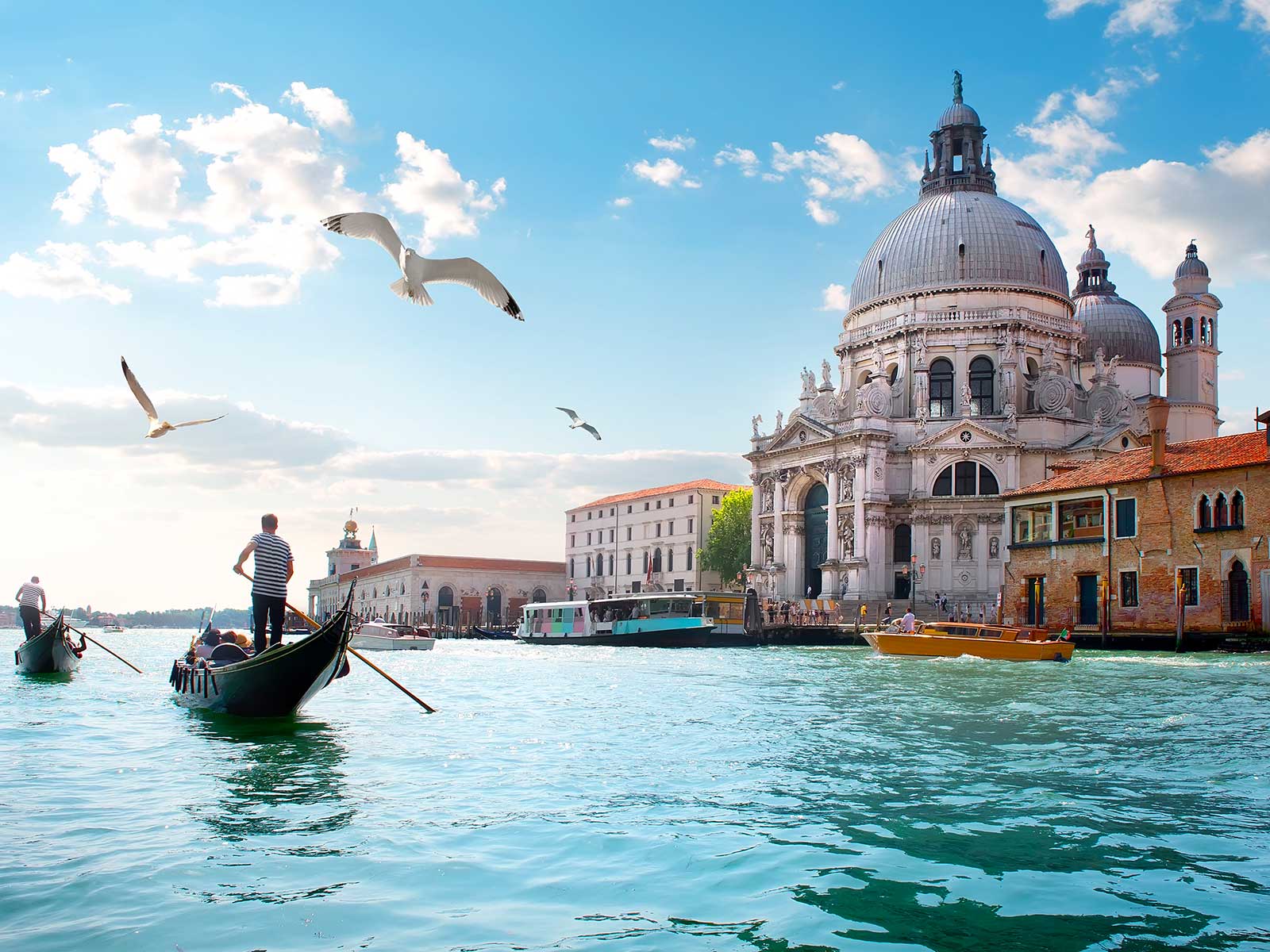
Among the most influential were the Maritime Republics, coastal cities that dominated Mediterranean trade routes.Venice, perhaps the most famous, built an empire on water, its unique lagoon setting fostering an unparalleled sense of independence and identity. Visitors to Venice today can explore its intricate network of canals, marvel at the opulence of the Doge's Palace– a symbol of its former political might – and cross the iconic Bridge of Sighs. The bustling Piazza San Marco, with the breathtaking Saint Mark's Basilica and towering St Mark's Campanile, remains the historic heart of the city.
Trade was paramount, evident in structures like the Fondaco dei Tedeschi, a former German merchant house. Exploring districts like Dorsoduro, crossing the Ponte dell'Accademia, or admiring the Basilica di Santa Maria della Salute, one encounters centuries of Venetian history. Even the unique alleyways like Sotoportego de l'Erbaria or the spiral staircase of Palazzo Contarini del Bovolo reveal the city's distinctive character. A short trip to colorful Burano also offers a glimpse into the lagoon's broader historical communities. Other powerful maritime republics included Genoa and Pisa, whose economic prowess funded magnificent cathedrals and defensive structures.
Tuscan Powerhouses: Art, Banking, and Rivalry
Inland, particularly in Tuscany, cities like Florence and Siena rose to prominence. Florence, under the patronage of powerful banking families like the Medici, became a cradle of the Renaissance. Its wealth fueled an explosion of art, architecture, and intellectual inquiry.Siena, Florence's fierce rival, developed its own distinct Gothic style, evident in its stunning Piazza del Campo and Duomo, offering a captivating contrast to Florentine grandeur.
Beyond these major centers, smaller towns throughout Tuscany, like the medieval gem Montemerano, offer a glimpse into the region's rich past. Travelers can also experience the lingering Roman influence at historical sites like the thermal baths of Saturnia, a testament to the layers of history embedded in the Tuscan landscape.
Traveler's Tip:Many Italian city-states, though independent, often shared cultural trends. Look for local variations in architecture, art, and even cuisine that reveal their unique historical paths.
The Renaissance: A Rebirth of Genius
The 14th to 16th centuries witnessed the extraordinary phenomenon of the Renaissance, an intellectual and artistic rebirth that began in Italy and spread across Europe. Fueled by renewed interest in classical Greek and Roman learning, combined with the patronage of wealthy merchants and the Church, this era produced some of humanity's greatest achievements.
Florence was at the epicenter, where figures like Leonardo da Vinci, Michelangelo, and Raphael redefined art, science, and philosophy. Their masterpieces, from Michelangelo's David to Leonardo's Mona Lisa, continue to inspire awe. Architecture also flourished, with Brunelleschi's dome for Florence Cathedral standing as a symbol of human ingenuity. Venice, with its unique artistic schools, and Rome, revitalized by papal patronage, also became major centers of Renaissance creativity.
For travelers, the Renaissance is not just history; it's a tangible presence. From the frescoes in Roman churches to the galleries of Florence and the palaces of Venice, the legacy of this golden age is accessible at every turn, offering profound insights into the human spirit's capacity for innovation and beauty.
From Renaissance to Unification: A Long Road
Following the heights of the Renaissance, Italy entered a period marked by foreign domination and political fragmentation, as major European powers vied for control of its rich territories. Despite the decline of its independent city-states, the artistic and cultural flame continued to burn, leading to the Baroque era and further innovations in art and music. It would take centuries of foreign rule and a burgeoning sense of national identity before the peninsula would eventually unite in the 19th century, a process known as the Risorgimento.
Experiencing Italy's History Today
Italy's journey from Roman legions to Renaissance masters is a testament to human resilience, creativity, and ambition. As a traveler, immersing yourself in this history makes every ancient ruin, medieval piazza, and Renaissance masterpiece come alive. Take time to explore beyond the main attractions; discover the quiet courtyards, the local museums, and the regional traditions that connect directly to these profound historical periods. Understanding Italy's past is key to appreciating its vibrant present.